10 Common Dog Skin Problems You Can Manage with Better Grooming
It is heartbreaking to see your furry friend scratching all the time, biting its paws or even growing some strange spots in its coat. Being a serious pet parent, you are in need of fast answers and solutions. Among the leading causes of visits to the veterinarian are skin issues, which can create problems with the comfort of a dog, as well as with the health and overall well-being of him or her.
The skin is the largest line of defense for your dog because it is a complex system of defense against infections and temperature control, as well as an indicator of something amiss in the body. When the skin issues arise, they are not some superficial problems. They may show allergies, parasites, infections or even severe underlying diseases, which should be taken care of.
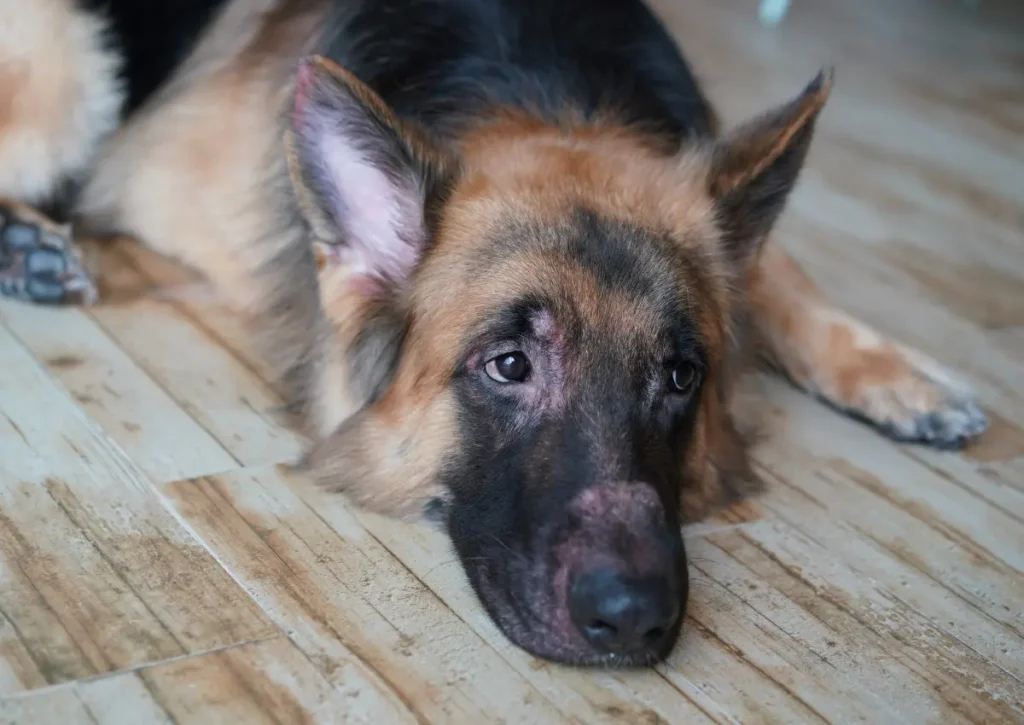
Let’s learn! about the ten different types of skin conditions in dogs, which will inform you of the symptoms to look out for early and what can be done to treat them.
1. Atopic Dermatitis
Atopic dermatitis develops when the immune system of your dog is hypersensitive to the environmental allergens (pollen, dust mites, mould spores or grass) that are present every day. This is a condition in which an internal immune response develops and results in persistent inflammation, unlike contact irritation.
What you’ll notice: Your dog acquires highly itchy red skin mostly in the area around the ears, face, paws, feet and in the groin region. They can scratch until they are raw, rub their face over the piece of furniture or lick their paws all the time. In chronic cases the skin is usually reddish and inflamed.
Why it is significant: Atopic dermatitis is a chronic disorder that has to be controlled constantly. The untreated individuals develop secondary bacterial infections, hot spots, and a very low quality of life due to constant scratching.
Treatment: There is no cure; however, the symptoms can be effectively managed. Antihistamines, immunotherapy or newer medications such as Apoquel or Cypoint can be prescribed by your veterinarian.
Antifungal shampoos are used to prevent the secondary infections. Inflammatory responses can be prevented through natural immune-supporting supplements, which contain omega-3 fatty acids. Frequent washing gets the allergens out of the coat before they get to the skin.
2. Sarcoptic Mange: Our Nightmare on the Contagion.
Sarcoptic mange, also known as canine scabies, is a condition that is caused by microscopic mites that penetrate in a deep manner in the skin of your dog. These parasites are easily transmitted among dogs via direct contact and hence dog parks, kennels and grooming facilities are generally places where the parasites are readily transmitted.
What you will find: A severe, incessant itching that appears to increase at night. Your dog cannot relax and he will scratch until he bleeds. The loss of hair leaves behind a characteristic of moth-eaten hair, which begins at the edges of ears, at the elbows and also at the hocks and then spreads out. Thickened skin, crusty sores and scabs develop. Itching is so serious that most dogs sleep and lose appetite.
Why it is significant: In addition to making people very uncomfortable, sarcoptic mange can also cause momentary contagion in people who were together with infected dogs and appear to have red bumps that itch on their arms and torso. The disease is easily transmitted among dogs.
Treatment approach: The mites are killed by prescription parasiticides—alternatives are available in the form of topical applications, oral or injectable drugs. Every dog in your home should be treated at the same time regardless of whether it is symptomatic or not.
Environmental cleaning should be done properly, because the mites can live off the host for several days. Bedding, collars and grooming tools should be disinfected or changed.
3. Bacterial Pyoderma
Bacterial pyoderma are bacterial skin infections that form due to the proliferation of normal skin bacteria or an invasion of those that are harmful through damaged skin barriers. These infections usually come as an outcome of other issues such as allergies, hormonal disorders, or immunodeficiencies.
What you can see: Red bumps (papules) or pus-filled bumps (pustules), which can burst, making circles with crusts. You may have scaly red areas, wet weepy spots, or ring lesions and their foci of healing. The affected areas might be foul smelling. Dogs would generally be itchy and uncomfortable.
Why it is important: The untreated bacterial infections are characterized by substantial discomfort and may be spread or penetrate into the tissues around the site. Repeat infections are indications of underlying pathologies that are to be investigated, such as thyroid issues, Cushing disease, or allergies.
Therapy: Oral antibiotics, which last at least 3-4 weeks, and occasionally longer in case of deep infections. Chlorhexidine or benzoyl peroxide medicated shampoos are used to regulate the surface bacteria as well as eliminate crusts.
In case of an infection recurrence, your veterinarian must research the underlying causes. Healthy skin can be maintained by having nutritious food, grooming and keeping off parasites to minimize the risk of infection.
4. Yeast Dermatitis
Malassezia yeast is a naturally occurring yeast that is present in small levels on the skin of dogs. Difficulties will come up when the environmental factors, such as moisture, warmth, defective immune processes, or disturbed skin pH, allow explosive yeast proliferation.
The outcome is the occurrence of the yeast dermatitis, which is one of the most prevalent fungi in dogs.
What you will be pleased to notice: There will be a unique, musty, cheesy or corn-chip-like smell that will be the first thing you smell. The skin is thickened and discolored—in chronic cases turning grey or black-in-oil.
The most common places are ears (you will find brown waxy discharge), paw pads, nail beds (you will find black debris), armpits, groin and skin folds. Your dog will have a severe itch and will chew its paws till they are stained brown with saliva.
Why it is important: West Highland White Terriers, Cocker Spaniels, Basset Hounds, and breeds with skin folds have a greater likelihood of developing high-risk conditions. Allergies often go hand-in-hand with yeast infections, which makes the two diseases a bitter circle as each one aggravates the other.
Therapy: Antifungal drugs, topical (shampoos, wipes, ointments) or oral (ketoconazole, fluconazole), based on the severity. The treatment is normally 3-4 weeks on the minimum.
Prevention involves underlying causes—controlling allergies, dealing with skin folds, hormonal imbalances, etc. Antifungal shampoos are effective in the regular maintenance of susceptible dogs.
5. Skin Fungus
Although the name implies it is a parasite, ringworm is a transmittable fungal infection that affects the skin, hair and occasionally nails. The involved fungi are the dermatophytes, which feed on the skin and hair keratin. Transmission of ringworm occurs either through close contact with infected animals or contaminated surroundings and is prevalent in puppies, shelter dogs and multi-pet households.
What you will see: Round areas of baldness with reddish, scaly edges creating the appearance of the ring, although not all of them form rings that are perfectly round. The infected skin can either be scaly, dry, or red.
Contrary to most of the skin diseases, the ringworm does not always lead to itching. Others are carriers of the infection but do not have any signs on their own.
Why it matters: Ringworm is zoonotic, transmitting easily to humans—especially children and immunocompromised individuals. It contaminates environments, with fungal spores surviving months on surfaces, bedding, and grooming tools.
Treatment approach: Combination therapy works best. Oral antifungal medications (griseofulvin, itraconazole, terbinafine) treat systemic infection. Topical antifungal treatments (lime sulfur dips, miconazole shampoos) reduce environmental contamination. Treatment continues 2-4 weeks beyond apparent cure to eliminate all fungal elements.
Reinfection and spread are prevented by aggressive environmental decontamination—surface disinfection, washing all bedding in hot water, and discarding contaminated objects.
6. Hypothyroidism

Hypothyroidism is an illness that occurs when the thyroid gland of your dog is unable to produce adequate thyroid hormones, reducing metabolism within the body. The skin presentation usually offers an initial sign of this systemic disease and thus this condition is important to recognize in the course of general health.
What you will find: The loss of the hair symmetrically on the body trunk, the tail and the rear legs, but here, it is important to note that the head and feet are often not affected. The coat gets dull, dry and brittle. The skin becomes thick and possibly dark, particularly at the points of friction. Hypothyroid dogs do not scratch, unlike a number of other skin conditions. You may also find that you gain weight through eating well, feeling cold, and losing vitality and mental clarity.
Why it is important: Hypothyroidism, when untreated does not just affect the skin, but the heart failure rate, reproduction, mental health, and energy levels are also affected. The disease is usually prevalent in the middle-aged dogs of some breeds: Golden Retrievers, Doberman Pinschers, Irish Setters, and Cocker Spaniels.
Therapy: Hypothyroidism is diagnosed by basic blood tests of the T4 and TSH levels. Hormone deficiencies are substituted with daily supplementation of thyroid hormones (levothyroxine). The vast majority of the dogs can improve dramatically in 6-8 weeks, coat grows, energy levels come back, the weight is usually normal. Treatment is life-long and cheap and very effective. Regular blood checks are used to check the correct dosage.
7. Hot Spots
Hot spots appear to be magic, and they happen overnight, one evening you have a good dog with a fine coat, and the next time you see it, it has a raw, weeping and painful sore. The lesions, referred to as acute moist dermatitis, are caused by excessive licking, scratching, or chewing of itchy spots by dogs to form self-injuries, which rapidly get infected.
What you’ll notice: Circular, moist, red lesions that feel hot to touch. The area is hairless from scratching or matted with exudate. Surrounding fur may be wet from licking.
Hot spots are extremely painful and sensitive—your normally gentle dog may snap if you touch the area. They commonly appear on hips, thighs, and the side of the face near ears.
Why it matters: Hot spots spread rapidly—small irritations can become palm-sized wounds within hours. They’re intensely painful and significantly impact your dog’s comfort and behavior. Underlying triggers—flea bites, ear infections, anal gland problems, or allergies—need identification to prevent recurrence.
Treatment approach: Immediate veterinary attention prevents spreading. Treatment involves clipping surrounding fur for visibility and airflow, gently cleaning the wound, and prescribing antibiotics for infection plus anti-inflammatory medications for pain and itching.
Antimicrobial sprays containing ingredients like hypochlorous acid promote healing. E-collars prevent continued licking during healing, which typically takes 7-10 days with proper treatment. Identifying and addressing the underlying itch source is crucial for prevention.
8. Cushing’s Disease (Hyperadrenocorticism)
Cushing’s disease develops when your dog’s body produces excessive cortisol—either from pituitary gland tumors, adrenal gland tumors, or long-term steroid medication use. This hormone imbalance creates dramatic systemic changes, with skin manifestations being particularly visible.
What you’ll notice: Thin, fragile skin that bruises easily and heals slowly. Symmetrical hair loss, typically on the body trunk while leaving legs and head intact. Darkened skin (hyperpigmentation) and visible blood vessels through thinned skin.
Recurring skin infections as excess cortisol suppresses immune function. You’ll also observe increased thirst and urination, ravenous appetite, pot-bellied appearance, and muscle weakness.
Why it matters: Cushing’s is serious, affecting multiple organ systems. Dogs with untreated Cushing’s face increased infection risk, diabetes, high blood pressure, and potential blood clots. The condition primarily affects middle-aged to older dogs.
Treatment approach: It is important to diagnose with specialized blood tests, the ACTH stimulation test, the low-dose dexamethasone suppression test, and with the help of imaging to determine the location of the tumor.
Management varies depending upon the cause: trilostane or mitotane in cases of pituitary/adrenal tumors, or after medication-induced, a gradual reduction in steroids. The dogs need to be fed and monitored throughout their lifespan.
The situation with skin condition is that it gets better with time and months when the cortisol levels normalize.
9. Pemphigus
Pemphigus represents a group of autoimmune diseases where your dog’s immune system mistakenly attacks proteins holding skin cells together. This causes cells to separate, creating blisters and erosions. Several forms exist, with pemphigus foliaceus being most common in dogs.
What you’ll notice: Crusted lesions, pustules, and erosions, particularly on the face, ear tips, nose bridge, and footpads. The crusts often have a honey-colored appearance. Hair loss accompanies lesions.
Some dogs develop secondary bacterial infections. Unlike many itchy skin conditions, pemphigus may not cause significant itching initially, though discomfort increases as lesions develop. Some dogs show systemic signs—fever, lethargy, loss of appetite.
Why it matters: Autoimmune diseases require lifelong management and can be serious if untreated. Without immunosuppressive therapy, lesions spread and deepen. Secondary infections become life-threatening. Some autoimmune conditions are triggered by medications or vaccines, though most are idiopathic.
Treatment approach: Diagnosis requires skin biopsies showing characteristic cellular changes. Treatment involves immunosuppressive medications—prednisone initially, often transitioning to or combining with azathioprine or cyclosporine for long-term management with fewer side effects.
Dogs need regular monitoring for medication side effects and disease activity. Sun exposure can worsen some forms, so limiting outdoor time during peak sun hours helps. Many dogs achieve good disease control with proper treatment.
10. Mast Cell Tumors
One of the most frequent malignant skin tumors in dogs constitutes Mast cell tumor, which constitutes around 20% of all the canine skin tumors. These tumors are caused by mast cells, which are immune cells that are used in the body to respond to allergies. Their reactions range from mild and easily treated to the most violent and even lethal.
What you will see: The mast cell tumors are challenging due to the variability of their appearance. They may appear in the shape of small red dots, big nodules, or flat thickened dots.
There are those that are hairless and ulcerated and those that bear normal-looking skin. They can either be abrupt or slow. An archetypal warning symptom is the change in size since tumors release histamine.
They may be on any part of the body though most of them are found on the trunk and the limbs. There may be red and swollen tissue around it. Certain dogs scratch tumors as a result of histamine.
Importance: Mast cell tumors are random in their growth. Low-grade tumors can be treated through surgery only, whereas high-grade tumors can spread to lymph nodes, liver, spleen, and bone marrow. They secrete histamine and heparin either causing ulcers, bleeding or allergies. Some breeds are at a greater risk—Boxers, Boston Terriers, Bulldogs and Golden Retrievers.
Treatment plan: Veterinary examination is warranted in case of any new lump. It should be diagnosed with the fine needle aspiration or biopsy. Therapy varies according to grade and stage: localized tumors may be treated by surgical resection with wide margins, remnants of resected tumors or those in inaccessible locations may be treated by radiation, high-grade or metastatic cancer may be treated by chemotherapy, and advanced tumors may be treated using targeted therapies such as tyrosine kinase inhibitors.
The prognosis is extremely different according to the tumor grade, where low-grade tumors have a great prognosis following surgery.
How to Build Your Dog’s Skin Health Strategy
Prevention outweighs treatment in importance, cost, and your dog’s comfort. Implement these evidence-based strategies:
Regular full-body examinations: Weekly hands-on checks detect problems early when treatment is simplest and most effective. Run your hands over your dog’s entire body, noting any bumps, scabs, hair loss, or areas of discomfort.
Quality nutrition foundation: Feed diets meeting AAFCO standards with quality protein sources and adequate omega-3 fatty acids. Consider supplements if your dog has skin sensitivities—fish oil, coconut oil in moderation, and vitamin E support healthy skin barriers.
Appropriate grooming schedule: Brush frequency depends on coat type. Regular brushing removes dead skin, distributes protective oils, prevents matting, and provides opportunities to inspect skin.
Year-round parasite prevention: Don’t skip winter doses. Consistent use of veterinarian-recommended preventatives protects against fleas, ticks, and mange mites.
Environmental management: Vacuum frequently to remove allergens and parasites. Wash bedding weekly in hot water. Use pet-safe cleaning products. Consider air purifiers if your dog has environmental allergies.
Stress reduction: Chronic stress weakens immune function. Provide adequate exercise, mental stimulation, consistent routines, and safe spaces.
Prompt attention to concerns: Don’t wait for problems to resolve independently. Early intervention prevents complications and reduces treatment costs.
When to Seek Veterinary Care
Schedule appointments when you notice:
- Persistent scratching exceeding 2-3 days
- Hair loss or bald patches developing
- Red, inflamed, or painful-appearing skin
- Unusual or foul odors
- Visible parasites or black specks (flea dirt)
- Oozing sores, scabs, or crusty lesions
- Any new lumps or bumps
- Skin discoloration or darkening
- Behavioral changes suggesting discomfort
- Recurrence of previously treated conditions
Some situations require emergency care: sudden severe facial swelling (possible allergic reaction), rapidly spreading lesions with fever, or skin problems accompanied by difficulty breathing or collapse.
Final thoughts
Your dog is dependent on you to observe the details—recurring itching, missing patches of hair, or a strange odor. Although the skin problems might appear alike, the causes may be as mild as allergies and as severe as cancer. The positive aspect is that a majority of the issues can be cured and can be avoided in the initial stages.
Trust your instincts. When something does not feel right, then you must not wait any more; you can save days of discomfort with just a single visit to the vet. With the correct care, proper nutrition, frequent grooming, and frequent checkups, your dog may have healthier skin and live a happier life.
Being healthy does not only mean having a good appearance, but also the health of your dog. Be vigilant and active, and your pet will pay you with additional tail wags, additional cuddles and unconditional love.
FAQs
Q: How do I know if my dog’s skin issue is serious?
If it spreads fast, lasts more than 3–4 days, causes major discomfort, comes with low energy or appetite loss, or involves lumps—see a vet.
Q: Can diet really fix skin problems?
Yes. Poor nutrition shows up on the skin first. Better proteins, balanced nutrients, and omega-3 fats can transform coat health. Food allergies need proper elimination diets guided by a vet.
Q: Why do skin issues keep coming back?
Recurrence usually means the root cause—like allergies, hormones, parasites, or stress—wasn’t addressed. Some conditions like atopic dermatitis need lifelong management.
Q: Are home remedies safe?
Not always. A simple-looking rash might be mange or ringworm. Some DIY fixes (like oils or oatmeal) can worsen infections. Always get a vet diagnosis first.
Q: Do some dog breeds get more skin problems?
Yes—Bulldogs, Shar-Peis, Pugs, Retrievers, Westies, and Cocker Spaniels are prone to various skin conditions. But any dog can be affected.
Q: Do some dog breeds get more skin problems?
Yes—Bulldogs, Shar-Peis, Pugs, Retrievers, Westies, and Cocker Spaniels are prone to various skin conditions. But any dog can be affected.
Q: How can I tell if a lump is cancer?
You can’t. All new lumps need a vet check. A quick fine needle aspiration helps determine whether it’s harmless or serious.
Q: Can skin problems be prevented?
Not fully, but you can reduce risks with parasite control, quality nutrition, regular grooming, healthy weight, and stress management.
Q: What can I do right now to help my uncomfortable dog?
Use an e-collar to stop scratching, gently clean with lukewarm water, offer cool compresses, keep nails trimmed, and distract with calm activities. Avoid using products without vet approval.
Q: Will skin conditions affect my dog’s lifespan?
Most don’t shorten life if treated, though chronic issues can affect comfort. Serious diseases like advanced tumors or hormonal issues need timely care.

yespaws
Recent Posts
-
 How to Manage Pets in Small Apartments September 12, 2026
 -
 Indoor Games to Keep Pets Active September 11, 2026
 -
 How Much Exercise Does Your Dog Really Need September 10, 2026
 -
 First-Time Cat Owner? Here’s How to Groom Your Cat Safely September 9, 2026
 -
 Safety Tips for Night Walks with Dogs September 8, 2026