Dry vs Wet Cat Food: Which Is Better for Your Cat’s Long Term Health?
The moment you bring a cat into your life, feeding becomes more than a routine. It becomes care, responsibility, and love in its simplest form. Yet one question quietly follows almost every cat parent for years: should I feed dry food or wet food?
Pet store shelves and online listings make this decision feel complicated. Dry food promises convenience and dental benefits. Wet food highlights hydration and taste. Both claim to be complete and balanced. But cats are not marketing-driven creatures. Their bodies follow biology, not labels.
To choose wisely, you need to understand how cats are built, how food affects them over time, and how dry and wet food truly compare beyond the packaging.
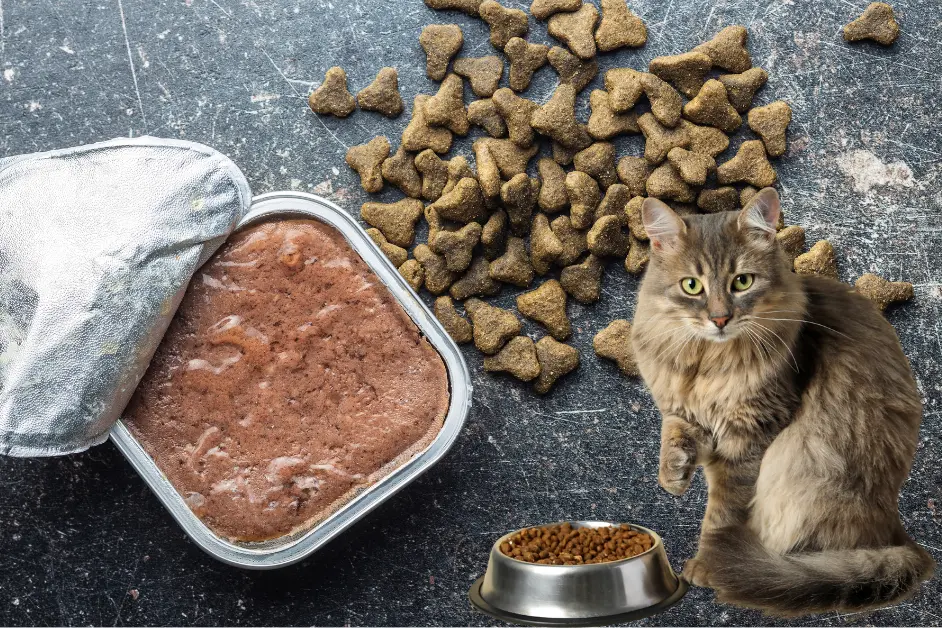
Understanding a Cat’s Natural Diet
Cats are obligate carnivores. This means they depend on nutrients found almost exclusively in animal tissue. In the wild, cats hunt small prey like mice and birds. These meals are rich in animal protein, moderate in fat, extremely low in carbohydrates, and naturally high in moisture.
A typical prey animal contains nearly 70 percent water.
This detail explains many modern feline health issues. Cats evolved to get most of their hydration from food, not water bowls. Their thirst drive is naturally low. When diet choices ignore this fact, problems slowly appear over time. Dry vs wet cat food is not just a preference debate. It is about how closely each option respects a cat’s biological design.
What Exactly Is Dry Cat Food?
Dry cat food, commonly known as kibble, is made through a process called extrusion. Ingredients are cooked at high temperatures, shaped into pellets, and dried until moisture content drops below 10 percent.
Dry food dominates households worldwide because it is affordable, shelf-stable, and easy to manage. Many cats enjoy the crunchy texture, and many owners appreciate the simplicity.
Benefits of Dry Cat Food
Convenience is the strongest advantage of dry food. It can be left out for hours without spoiling, making it suitable for cats that prefer grazing. This is especially helpful for working pet parents or multi-cat homes.
Dry food is also cost-effective. Feeding dry food daily is significantly cheaper than feeding wet food exclusively. Storage is easy, and unopened bags last for months.
Some dry foods support dental care. The crunch can help reduce plaque buildup slightly, especially in dental-formulated varieties, though this benefit is often overstated.
Drawbacks of Dry Cat Food
The biggest concern with dry food is dehydration. Because kibble contains very little moisture, cats must drink more water to compensate. Many cats do not. Over time, this can contribute to urinary tract infections, bladder inflammation, kidney strain, and crystal formation.
Dry food also contains more carbohydrates. Starch is required to bind kibble. Cats have no biological need for high-carb diets, and excess carbohydrates may contribute to obesity and diabetes, especially in indoor cats. Ingredient quality varies widely. Lower-quality dry foods may rely heavily on plant proteins, by-products, and fillers instead of real meat.
What Is Wet Cat Food?
Wet cat food comes in cans, pouches, or trays and contains 70 to 80 percent moisture. It is typically made with fresh or frozen meats, broths, fats, and added vitamins and minerals. Textures range from smooth pâté to shredded chunks in gravy. Wet food more closely resembles a cat’s natural prey in moisture and macronutrient balance.
Benefits of Wet Cat Food
Hydration is the biggest benefit of wet food. Cats consuming wet food naturally take in more water each day, even if they rarely drink from bowls. This supports kidney function and urinary health. Wet food is usually higher in animal-based protein and lower in carbohydrates. This aligns better with feline nutritional needs and helps maintain muscle mass.
Palatability is another major advantage. Wet food smells stronger and tastes richer, making it ideal for picky eaters, senior cats, or cats recovering from illness. Wet food can also help with weight management. Because of its high moisture content, cats feel full while consuming fewer calories.
Drawbacks of Wet Cat Food
Cost is the most common downside. Feeding wet food exclusively can become expensive, particularly for large or multi-cat households. Wet food also requires more effort. Once opened, it must be refrigerated and should not be left out for long periods, especially in warm climates. Dental care is another consideration. Wet food does not clean teeth mechanically, so cats may need additional dental hygiene support.
Dry vs Wet Cat Food: Nutritional Comparison That Matters
Moisture content is the most obvious difference, but nutrition goes deeper. Protein quality tends to be higher in wet food. Animal-based protein is easier for cats to digest and use. Carbohydrates are typically higher in dry food. While small amounts are not harmful, excess carbs offer no real benefit to cats. Calories are more concentrated in dry food. Without portion control, overeating becomes easy.
Fat composition in wet food often includes healthier animal fats that support coat, skin, and energy levels.
How Diet Affects Cats at Different Life Stages
Kittens benefit from both dry and wet food. Wet food supports hydration and is easier to chew, while dry food can help develop chewing habits. Adult cats may thrive on either, depending on activity level and health. Indoor cats often benefit from wet food’s lower calorie density.
Senior cats usually do better with wet food. Aging kidneys, dental issues, and reduced thirst make moisture-rich diets especially important. Cats with urinary issues, kidney disease, obesity, or diabetes often benefit significantly from wet food due to hydration and lower carbohydrate levels.
Is Mixed Feeding the Best Solution?
Many veterinarians recommend mixed feeding. Wet food once or twice daily for hydration and nutrition, combined with measured dry food for convenience. This approach balances cost, practicality, and health benefits. It also reduces food boredom and fussiness. Portion control is essential. Mixed feeding can lead to overfeeding if amounts are not measured.
How to Choose the Right Food for Your Cat There is no universal answer. Observe your cat’s coat quality, energy level, weight stability, stool consistency, and litter box habits. These signs matter more than advertising.
Read ingredient labels carefully. Real meat should appear first. Avoid excessive fillers, artificial colors, and vague by-products. Regular veterinary checkups help confirm whether your feeding choice supports long-term health.
People Also Ask: Common Questions About Dry vs Wet Cat Food
Is wet cat food better than dry food?
Wet cat food is generally better for hydration and urinary health, but high-quality dry food can also support healthy cats.
Can cats live on dry food only?
Yes, but they must drink enough water. Cats on dry-only diets have a higher risk of dehydration-related issues.
Does dry cat food damage kidneys?
Dry food itself does not damage kidneys, but long-term low water intake may increase kidney stress, especially in older cats.
How often should cats eat wet food?
Most adult cats benefit from wet food once or twice daily, depending on calorie needs.
Is mixing dry and wet cat food safe?
Yes. Mixed feeding is safe and commonly recommended when portions are controlled.
Final Thoughts
The dry vs wet cat food debate is not about choosing a winner. It is about choosing awareness. Wet food supports hydration and mirrors a cat’s natural diet. Dry food offers convenience and affordability. Many cats thrive on a thoughtful combination of both. When you feed your cat in a way that respects biology instead of marketing, you are not just filling a bowl. You are quietly investing in years of better health, comfort, and companionship.

yespaws
Recent Posts
-
 Pet Grooming Is Love in Action: Why Every Brush, Bath, and Trim Matters February 27, 2026
 -
 Cat Boarding in Hyderabad: Everything You Need to Know February 17, 2026
 -
 Human Shampoo vs Pet Shampoo: The Silent Damage February 11, 2026
 -

-
 How Regular Grooming Improves Your Pet’s Behaviour & Mood February 6, 2026