How To Pet Proof Your Home: A Complete Guide to Keeping Your Furry Friend Safe
Bringing a new pet into your home marks the beginning of a rewarding journey filled with companionship, love, and countless memorable moments. Whether you’re welcoming a bouncy puppy, a mischievous kitten, or an adult rescue animal, the excitement of this new chapter comes with an important responsibility: ensuring your living space is safe for your new family member. Much like preparing a home for a toddler, pet-proofing requires you to view your environment through fresh eyes, anticipating potential dangers that might otherwise go unnoticed.
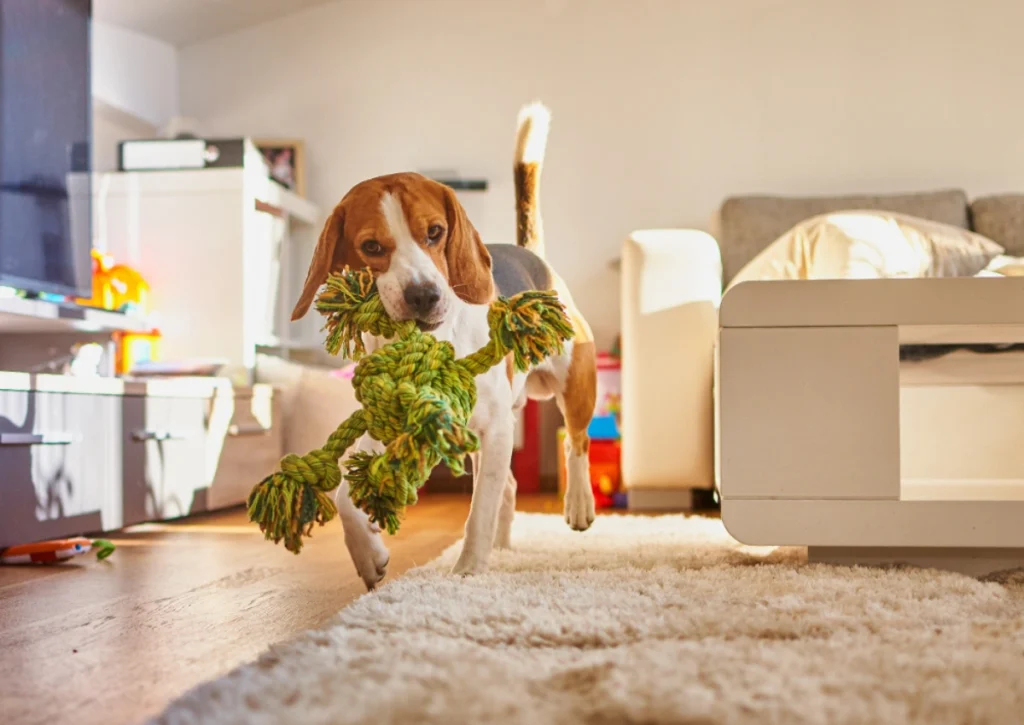
Pets experience the world differently than we do. They investigate with their mouths, squeeze into tight spaces, and find fascination in objects we consider mundane. A dangling electrical cord becomes an irresistible chew toy. A colourful cleaning bottle transforms into something worth investigating. That gap behind the sofa offers the perfect hiding spot. Understanding this perspective is the first step toward creating a home where your pet can explore, play, and rest without encountering hidden hazards.
Why Pet-Proofing Deserves Your Attention
The importance of pet-proofing extends beyond simply preventing accidents—it’s about creating an environment where your pet can thrive. Animals are naturally driven by curiosity and instinct. Dogs sniff and taste their surroundings to gather information. Cats climb and explore vertical spaces to satisfy their territorial nature. These behaviours are healthy and normal, but they can lead to trouble when dangerous items are within reach.
Consider the statistics: veterinary emergency rooms regularly treat pets who have ingested toxic substances, swallowed foreign objects, or injured themselves on household hazards. Many of these incidents are entirely preventable with some forethought and preparation. Beyond the emotional distress of seeing your pet hurt, emergency veterinary care can be expensive and stressful for everyone involved.
Pet-proofing also benefits your belongings and your peace of mind. When you’ve secured potential hazards and established clear boundaries, you can relax knowing your pet is safe even when you’re not watching their every move. This freedom benefits both of you—your pet gets to explore and express natural behaviours, while you avoid the constant anxiety of wondering what they’re getting into.
Identifying and Securing Household Hazards
The foundation of any pet-proofing effort involves a thorough assessment of potential dangers throughout your home. Start by getting down to your pet’s level—literally. Crawl around on the floor and look at your space from their perspective. What catches your eye? What seems reachable or interesting? This exercise often reveals hazards you’d never notice from standing height.
Toxic substances represent one of the most serious categories of household dangers. Common culprits include cleaning products, laundry detergents, antifreeze, pesticides, and certain medications. Even products marketed as “natural” can be harmful to pets. Store all chemicals in secure cabinets, preferably with childproof latches. Never leave cleaning supplies unattended while you’re using them, and ensure bottles are tightly closed before storing them away.
Medications deserve special attention. Pain relievers like ibuprofen and paracetamol, which seem harmless to us, can be deadly for pets. Prescription medications, vitamins, and supplements should all be kept in closed containers inside cabinets or drawers. Be mindful of guests who might leave medication in accessible bags or on nightstands.
Small objects pose choking and intestinal blockage risks. Buttons, coins, rubber bands, hair ties, jewellery, and children’s toys can all cause serious problems if swallowed. Regularly scan floors and low surfaces for these items, especially in homes with children who might leave small objects scattered about.
Sharp items including scissors, needles, pins, and razors should be stored securely. Pets can cut themselves or, worse, swallow these objects. Keep sewing supplies in closed containers and store kitchen knives in blocks or drawers rather than on countertops.
Tackling Electrical Hazards
Electrical cords present a particularly tempting target for many pets, especially puppies and kittens going through teething phases. The consequences of chewing through a live wire range from painful burns to electrocution, making this a hazard that demands serious attention.
Begin by taking inventory of all the cords in your home. You’ll likely find more than you expected—phone chargers, lamp cords, computer cables, television wires, and appliance cords all create potential risks. Where possible, route cords behind furniture or along walls where pets cannot access them. Cable management systems, including cord covers, cable channels, and wire organisers, provide effective solutions for exposed wiring.
For cords that must remain accessible, consider applying bitter-tasting deterrent sprays designed specifically for this purpose. These products taste unpleasant to pets and can discourage chewing behaviour. However, deterrents should supplement physical barriers rather than replace them entirely.
Unplug appliances when not in use, particularly in rooms where your pet spends time unsupervised. This simple habit eliminates risk while also saving energy. Pay special attention to holiday decorations like string lights, which combine electrical hazards with the added temptation of dangling, sparkling objects.
Creating Dedicated Safe Spaces
Every pet benefits from having a designated area they can call their own—a retreat where they feel secure and comfortable. This space serves multiple purposes: it provides safety during times when you cannot supervise directly, offers a calming refuge during stressful events like thunderstorms or visitors, and helps establish healthy routines.
Choose a location that’s quiet but not isolated. Pets are social creatures who want to feel connected to their family while still having the option to retreat. The space should be free from hazards and contain comfortable bedding, fresh water, and appropriate toys. For dogs, a crate can serve as an excellent safe space when introduced positively. Cats often appreciate elevated perches or enclosed beds where they can observe their surroundings while feeling protected.
As you set up this area, remove anything that could cause harm. Check for small objects on the floor, ensure no cords are accessible, and verify that nearby furniture is stable and won’t topple if bumped. The goal is creating a zone where your pet can relax completely without any risk of encountering danger.
Protecting Your Furniture and Belongings
Chewing, scratching, and general destruction often stem from natural behaviours rather than mischief. Puppies chew to relieve teething discomfort. Cats scratch to maintain their claws and mark territory. Understanding the motivation behind these behaviours helps you address them constructively.
Provide appropriate outlets for these instincts. Stock up on durable chew toys for dogs and scratching posts for cats. When your pet has acceptable alternatives, they’re less likely to target your furniture. Place scratching posts near areas where your cat tends to scratch inappropriately—they often prefer certain locations for territorial reasons.
Protective covers can shield furniture during the training period. Slipcovers, throws, and furniture protectors are easy to wash and replace if damaged. For wooden furniture legs that attract chewing, consider wrapping them temporarily or applying deterrent sprays.
Training plays an essential role in protecting your belongings long-term. Consistent redirection—guiding your pet away from forbidden items and toward acceptable alternatives—teaches them appropriate behaviour over time. Reward them enthusiastically when they choose the right option. Patience is crucial; these lessons take time to sink in, especially with young animals.
Addressing Floor-Level and Surface Hazards
The condition of your floors affects your pet’s safety and comfort daily. Slippery surfaces like hardwood, tile, and laminate can cause pets to slip, slide, and potentially injure themselves, particularly during enthusiastic play. Older pets and those with mobility issues face even greater risks on slick floors.
Area rugs and runners provide traction in high-traffic zones. Choose options with non-slip backing to prevent the rug itself from becoming a hazard. In areas where rugs aren’t practical, consider paw wax or grip socks for pets who struggle with traction.
Keep floors clear of clutter that could cause tripping or become chewing targets. Shoes, bags, children’s toys, and other items left on the floor invite investigation. Establish habits around tidiness—putting items away immediately reduces both hazards and temptation.
Regular cleaning matters too. Pets spend significant time on floors, and residue from cleaning products, tracked-in chemicals, or small debris can affect them. Use pet-safe cleaning products and ensure floors dry completely before allowing your pet access.
Evaluating Plants and Decorative Items
Houseplants add beauty and improve air quality, but many common varieties are toxic to pets. Lilies are extremely dangerous to cats—even small exposures can cause kidney failure. Other problematic plants include pothos, philodendron, sago palm, aloe vera, and certain ivy varieties. Before keeping any plant in a pet-accessible area, verify its safety through reliable resources.
Safe alternatives exist for plant lovers who share their homes with pets. Spider plants, Boston ferns, African violets, and many herbs pose no threat and can satisfy your desire for greenery. Consider placing questionable plants in rooms your pet cannot access or using hanging planters positioned well out of reach.
Decorative items present similar concerns. Small figurines, candles, potpourri, and fragile ornaments can be knocked over, chewed, or swallowed. Assess decorations with fresh eyes, imagining how a curious pet might interact with them. Items with small parts, toxic materials, or breakable components should be displayed out of reach or reconsidered entirely.
Room-by-Room Considerations
Each area of your home presents unique challenges worth addressing individually.
Kitchens contain numerous hazards concentrated in one space. Food items like chocolate, grapes, onions, garlic, and xylitol (a common sweetener) are toxic to pets. Keep food stored securely and never leave plates unattended. Rubbish bins should have secure lids or be stored inside cabinets. Hot surfaces, sharp utensils, and heavy appliances all warrant attention.
Bathrooms house medications, cleaning supplies, and small items like razors and cotton buds. Toilet lids should remain closed—the bowl contains cleaning chemicals and presents a drowning risk for small animals. Consider keeping bathroom doors closed when not in use.
Garages and utility areas often store the most dangerous substances: antifreeze, pesticides, automotive fluids, and power tools. Ideally, pets should not have unsupervised access to these spaces. If that’s not possible, secure all chemicals in locked cabinets and keep tools stored safely away.
Outdoor spaces including gardens and balconies deserve the same scrutiny. Check fencing for gaps, remove toxic plants, secure garden chemicals, and ensure balcony railings have no spaces large enough for a pet to squeeze through.
Combining Environment and Training
The most effective pet-proofing strategy combines environmental modifications with consistent training. Physical barriers protect your pet from immediate dangers, while training builds long-term understanding of boundaries and appropriate behaviour.
Teach basic commands like “leave it,” “off,” and “come” as foundational tools for redirecting your pet away from hazards. These commands become invaluable when your pet encounters something dangerous—you need reliable ways to interrupt their behaviour quickly.
Establish routines that reinforce boundaries. Consistent feeding times, designated play areas, and regular exercise help pets understand expectations. A well-exercised pet with sufficient mental stimulation is less likely to seek entertainment in destructive or dangerous ways.
Final Thoughts
Pet-proofing your home isn’t a one-time task but an ongoing commitment that evolves as your pet grows and your living situation changes. A puppy’s needs differ from an adult dog’s; a newly adopted cat requires different considerations than one who’s lived with you for years. Regular reassessment ensures your home remains safe through every stage.
The effort you invest in creating a secure environment pays dividends in your pet’s health, your peace of mind, and the strength of your bond. When your pet can explore freely without constant redirection or worry, they develop confidence and contentment. When you can relax knowing hazards are managed, you enjoy your time together more fully.
A safe home forms the foundation for everything else—the playful moments, the quiet companionship, the years of memories you’ll build together. Taking the time to pet-proof properly is one of the most meaningful ways you can welcome your new family member and set them up for a happy, healthy life.
FAQs (People Also Ask)
How often should I check my home for hazards
It is a good idea to review your home regularly, especially as your pet grows or if you introduce new items into your space.
Are indoor plants harmful to pets
Some plants are toxic while others are safe. Always check before bringing a plant into a home with pets.
How do I start pet-proofing my home
Start by identifying potential hazards such as wires, chemicals, and small objects. Secure or remove these items and gradually make changes room by room.
What are the most common household dangers for pets
Common dangers include electrical cords, toxic plants, cleaning products, small objects, and certain human foods.
Do I need to pet-proof even if my pet is trained
Yes. Training helps, but pets can still act on instinct. A safe environment adds an extra layer of protection.
How can I stop my pet from chewing furniture
Provide chew toys, use protective covers, and train your pet with consistent commands and positive reinforcement.

yespaws
Recent Posts
-
 How to Manage Pets in Small Apartments September 12, 2026
 -
 Indoor Games to Keep Pets Active September 11, 2026
 -
 How Much Exercise Does Your Dog Really Need September 10, 2026
 -
 First-Time Cat Owner? Here’s How to Groom Your Cat Safely September 9, 2026
 -
 Safety Tips for Night Walks with Dogs September 8, 2026