Pet Grooming Is Love in Action: Why Every Brush, Bath, and Trim Matters
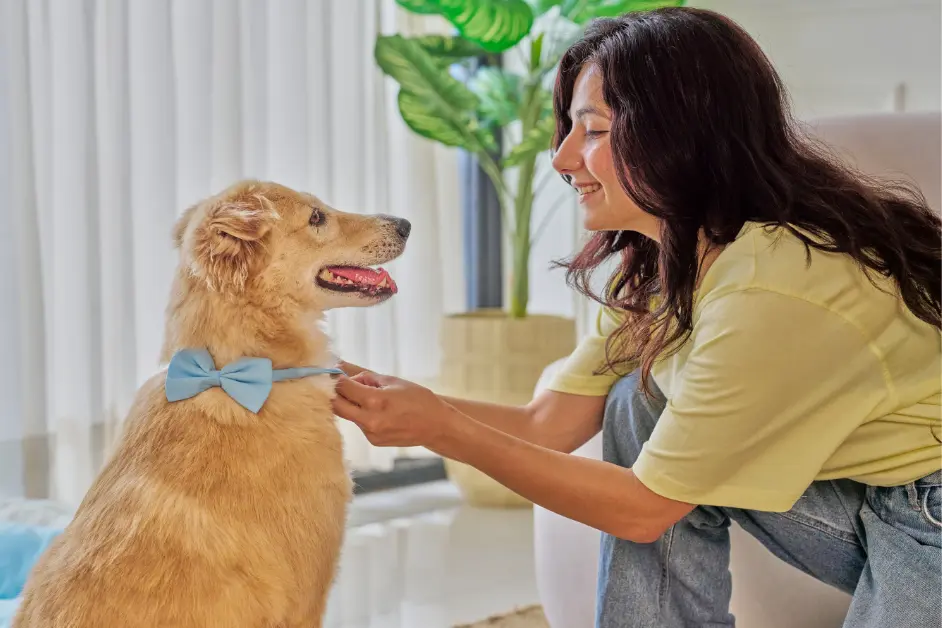
There is a quiet tenderness in the act of grooming your pet. Whether you are carefully combing through the silky fur of a golden retriever, clipping the nails of a nervous rescue cat, or giving your scruffy terrier a warm bath after a muddy morning walk these moments are not just about appearances. They are acts of devotion. Pet grooming is love made visible, one stroke of the brush at a time.
For many pet owners, grooming can feel like a chore on a busy schedule. But once you understand the depth of its impact on your pet’s physical health, emotional wellbeing, and the bond you share it transforms into something far more meaningful. This article explores why regular pet grooming is one of the most powerful expressions of care you can offer your furry family member.
The Hidden Health Benefits of Regular Pet Grooming
Most people associate pet grooming with making their animals look presentable. And while a freshly groomed pet is undeniably adorable, the health benefits run much deeper than the surface.
Skin and Coat Health
Regular brushing distributes the natural oils produced by your pet’s skin, keeping their coat shiny, moisturised, and free from dryness. It also removes dead hair, dirt, and dander reducing allergens in your home and preventing painful matting that can pull at the skin and cause sores. For long-haired breeds in particular, skipping brushing sessions can quickly lead to severe tangles that are distressing and sometimes require veterinary intervention to remove.
Early Detection of Health Issues
One of the most undervalued aspects of pet grooming is the opportunity it creates for early health detection. When you regularly handle your pet during grooming sessions, you become intimately familiar with their body. You are more likely to notice lumps, bumps, skin irritations, unusual odours, ear infections, or changes in their coat texture all of which can be early warning signs of medical conditions. Catching these issues early can make a significant difference in treatment outcomes and your pet’s long-term health.
Nail, Ear, and Dental Care
Overgrown nails are not just unsightly they can alter your pet’s gait, cause joint pain, and even curl back into the paw pads, creating serious injury. Regular nail trimming is a fundamental part of pet grooming that protects your pet’s comfort and mobility. Similarly, cleaning your pet’s ears prevents wax build-up and reduces the risk of ear infections, particularly in dogs with floppy ears. And dental hygiene? Dental disease is one of the most common health problems in pets regular tooth brushing or dental chews as part of a grooming routine can add years to your pet’s life.
Grooming as a Language of Love and Trust
Pets communicate and receive affection differently from humans. They cannot understand words of love in the way we speak them, but they feel safe touch, patient hands, and dedicated time. Grooming is one of the most powerful ways to say, “I see you. I care for you. You are safe with me.”
In the wild, social animals groom each other as a bonding behaviour. Cats groom other cats they trust. Dogs lick and nuzzle their pack members. When you take time to groom your pet, you are speaking their language reinforcing the relationship and deepening your connection in a way that is natural and instinctive to them.
Over time, consistent grooming builds trust, especially with anxious or rescue animals who may have had difficult pasts. A pet that was once fearful of being touched can learn, through gentle and regular grooming sessions, that human hands are kind. That transformation from fear to trust is one of the most beautiful things a pet owner can witness.
The Emotional Wellbeing of a Well-Groomed Pet
Have you ever noticed how your pet seems to carry themselves differently after a good grooming session? There is a lightness to them, a certain brightness in their eyes. This is not just your imagination. Grooming genuinely affects how pets feel.
Matted fur causes physical discomfort and can restrict movement. Overgrown hair around the eyes can impair vision and cause anxiety. A coat full of tangles can make a pet feel restricted and on edge. Removing these discomforts through regular pet grooming literally lifts a physical burden from your animal, allowing them to move freely, see clearly, and feel at ease in their own skin.
Beyond the physical, the act of being groomed provides sensory stimulation and calm. The rhythmic motion of brushing can be soothing much like a massage. Many pets learn to relax deeply during grooming, and for some, it becomes one of their favourite rituals with their owner.
Building a Positive Pet Grooming Routine at Home
Starting a pet grooming routine does not have to be overwhelming. The key is consistency, patience, and making the experience positive for your pet from the very beginning.
Begin with short sessions and gradually increase the duration as your pet becomes comfortable. Use treats and praise generously you want your pet to associate grooming with good things. Choose the right tools for your pet’s specific coat type. A slicker brush works beautifully for long-haired breeds, while a rubber grooming mitt may be perfect for short-coated dogs who enjoy the sensation of a light massage.
Introduce each element of the grooming process one at a time. Let your pet sniff the brush before you use it. Touch their paws gently before attempting nail trims. Let them get used to the sound of clippers before turning them on near their body. This gradual desensitisation creates confidence and reduces fear, turning grooming from a stressful event into a comfortable routine.
When to Visit a Professional Pet Groomer
While at-home pet grooming is wonderful, professional groomers offer expertise, specialised equipment, and services that go beyond what most pet owners can provide at home. Breed-specific cuts, full body de-shedding treatments, hand-stripping for terriers, and deep conditioning treatments are just a few examples of what a skilled professional groomer can offer.
Professional groomers are also trained to spot skin conditions, lumps, and abnormalities that owners might miss. Many work in close communication with veterinarians and can alert you to concerns worth investigating. Visiting a professional groomer every 6 to 8 weeks — depending on your pet’s breed and coat type complements your home grooming routine and ensures your pet always looks and feels their best.
When choosing a groomer, look for someone who is gentle, patient, and experienced with your pet’s breed. Read reviews, ask for recommendations, and do not be afraid to ask questions about their methods and products. A great groomer becomes an extension of your care team — someone who loves your pet almost as much as you do.
Pet Grooming Tips by Animal Type
Dogs
Dogs vary enormously in their grooming needs. Short-haired breeds like beagles and dachshunds require minimal brushing but benefit from regular baths and nail trims. Long-haired or double-coated breeds such as German Shepherds, Collies, and Poodles need frequent brushing to prevent matting and manage shedding. Bathing frequency depends on your dog’s lifestyle and skin type — over-bathing can strip natural oils, so once every four to six weeks is typically adequate for most dogs.
Cats
Cats are fastidious self-groomers, but that does not mean they do not need your help. Long-haired cats such as Persians and Maine Coons require daily brushing to prevent mats and reduce hairballs. Even short-haired cats benefit from weekly brushing and regular nail trimming. Cats generally do not need baths unless they have a skin condition or have gotten into something messy but acclimating them to water from a young age makes life easier when a bath is necessary.
Rabbits and Small Animals
Rabbits, guinea pigs, and other small animals also benefit greatly from regular grooming. Rabbits shed heavily during moulting seasons and need gentle, daily brushing to prevent them from ingesting too much fur while self-grooming. Their nails grow quickly and require trimming. Regular handling during grooming sessions socialises small animals and makes them more comfortable and confident with human interaction.
Love Is in the Details
When you pause your busy day to brush your pet, to check their ears, to trim their nails with steady hands you are doing something quietly extraordinary. You are saying, without words, that their comfort matters. That their health is worth your time. That they are loved not just in grand gestures, but in the small, daily acts of care that make up a life well-shared.
Pet grooming is not just maintenance. It is the language through which we nurture the animals who trust us completely. It is the daily practice of showing up for those who cannot ask for help but need it all the same. And in that space between the brush strokes and the warm water and the gentle hands love becomes something you can see, and feel, and hold.
So the next time grooming feels like just another task on the list, remember this: your pet does not see a chore. They see you. And in your hands, they feel safe.
Looking for professional pet grooming near you, or tips tailored to your breed? Browse our guides, find a trusted groomer, and give your pet the love they deserve.

yespaws
Recent Posts
-
 Cat Boarding in Hyderabad: Everything You Need to Know February 17, 2026
 -
 Human Shampoo vs Pet Shampoo: The Silent Damage February 11, 2026
 -

-
 How Regular Grooming Improves Your Pet’s Behaviour & Mood February 6, 2026
 -
 A Groomer Sees What a Pet Parent Can’t February 5, 2026