How to Handle the Pet Loss: Understanding and Coping with Pet Loss
Pet Loss is one of the most emotionally intense experiences a person can go through, yet it is often underestimated by those who have not experienced it themselves. Pets are not just animals we care for; they become part of our daily routine, our emotional support system, and in many ways, a constant presence in our lives. When that presence suddenly disappears, it creates a gap that is not just physical but deeply emotional. Coping with pet loss is not about “moving on quickly” or distracting yourself from the pain; it is about understanding what you are feeling and allowing yourself to process it in a way that is healthy and meaningful. The grief that follows is real, layered, and often complex because it is tied to routine, attachment, and unconditional companionship that is difficult to replace.
Why Coping with Pet Loss Feels So Overwhelming
One of the first things to understand about coping with pet loss is why it feels so intense compared to other forms of loss. The bond between humans and pets is unique because it is built on daily interaction, silent understanding, and unconditional acceptance without judgment. Your pet does not evaluate you, argue with you, or place expectations on you; they simply exist alongside you, offering comfort and companionship in a way that feels effortless. When this bond is broken, the absence is felt in small, everyday moments, such as an empty corner of the house, the lack of familiar sounds, or the absence of routines that once felt automatic. This constant reminder of absence makes the grief feel continuous rather than momentary, which is why coping with pet loss often takes longer than people expect.
At the same time, the grief can feel confusing because it may not always be openly acknowledged by others. Society often recognises grief for human loss more readily, while pet loss is sometimes minimised, making individuals feel like they need to “move on” faster than they are ready to. This lack of validation can intensify the emotional experience, as you may feel isolated in your grief. Recognising that your feelings are valid and that coping with pet loss is a personal process is an important step toward healing.
The Emotional Stages of Coping with Pet Loss
Grief does not follow a fixed pattern, but there are certain emotional stages that many people experience while coping with pet loss. These stages are not linear, and you may move back and forth between them depending on your thoughts and memories. Initially, there is often a sense of shock or disbelief, especially if the loss was sudden. Your mind struggles to accept the reality of the situation, and you may find yourself expecting your pet to appear in familiar places. This is followed by deep sadness, where the emotional weight of the loss becomes more apparent, and simple memories can trigger strong reactions. Over time, feelings of guilt or questioning may arise, where you think about whether you could have done something differently, even when the situation was beyond your control.
Understanding these stages helps you realise that what you are experiencing is part of the process of coping with pet loss, rather than something you need to “fix.” Allowing these emotions to exist without suppressing them helps create a healthier path toward acceptance.
Creating Space for Grief Instead of Avoiding It
One of the most important aspects of coping with pet loss is allowing yourself to feel the grief instead of trying to avoid it. Many people try to distract themselves or stay busy to escape the pain, but this often delays the healing process rather than helping it. Grief needs space to be processed. This means allowing yourself to experience sadness, to remember your pet, and to acknowledge the impact they had on your life. At the same time, creating space for grief does not mean staying stuck in it; it means giving your emotions the attention they need so they can gradually settle. When you allow yourself to process these feelings, you begin to understand them better, which makes them less overwhelming over time.
The Role of Routine in Coping with Pet Loss
Pets are deeply connected to our daily routines, and one of the most challenging parts of coping with pet loss is adjusting to the sudden change in structure. Activities such as feeding, walking, or simply spending time together become empty spaces in your day, which can intensify the feeling of loss.
Rebuilding your routine is an important step in the healing process. This does not mean replacing your pet or forgetting them; it means creating a new structure that helps you move forward while still honouring their memory. Introducing small changes, such as new activities or adjustments to your daily schedule, helps reduce the feeling of emptiness and creates a sense of stability.
Dealing with Guilt and “What If” Thoughts
Guilt is one of the most complex and emotionally draining parts of coping with pet loss, especially when the loss involves illness, ageing, or difficult medical decisions. After your pet is gone, your mind often shifts into reflection mode, replaying moments again and again in an attempt to find clarity or control over something that has already happened. You may question whether you acted soon enough, chose the right treatment, or made the best possible decision in their final moments, and these thoughts can feel convincing because they are tied to love and responsibility. At the same time, this pattern of thinking is not actually about finding answers; it is about trying to regain a sense of control in a situation where the outcome could not be changed, which is why these thoughts tend to repeat without resolution.
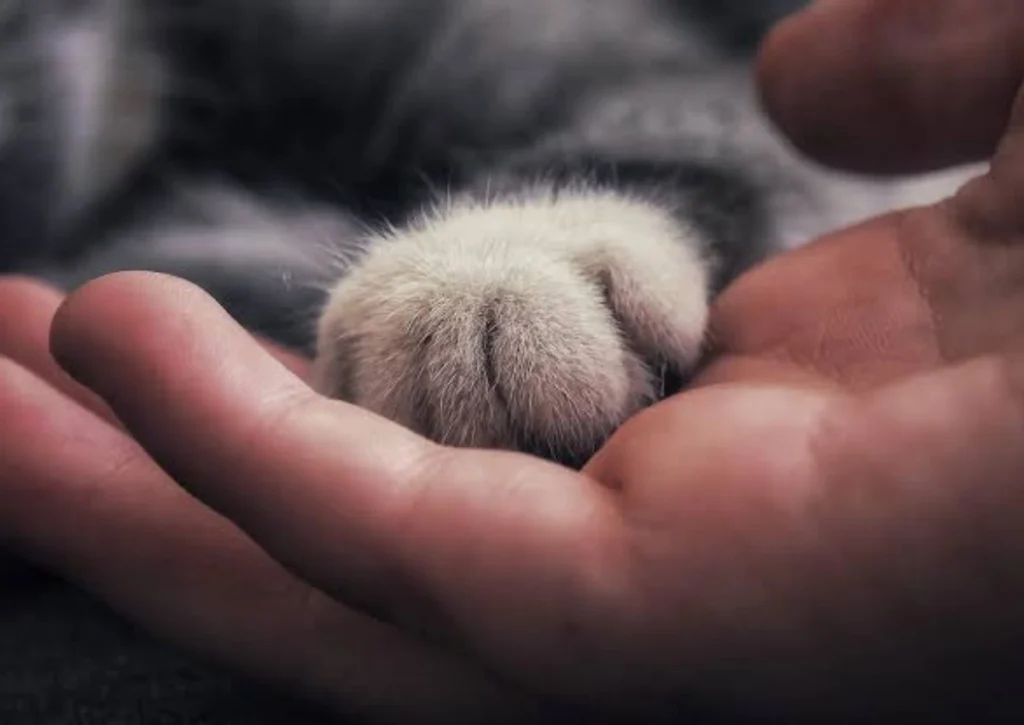
It is important to recognise that these “what if” thoughts are a natural response to grief rather than a reflection of reality. In most cases, every decision you made was based on the information, resources, and emotional capacity you had at that moment, even if it does not feel that way in hindsight. When you look back with more clarity, it is easy to believe that you could have done something differently, but this perspective often ignores the uncertainty and emotional weight you were carrying at the time. Holding onto guilt shifts your focus away from the life you shared with your pet and places it on isolated moments of doubt, which can make the grieving process heavier and more prolonged.
Redirecting your thoughts does not mean ignoring your feelings; it means expanding your perspective. Instead of focusing only on the final moments or decisions, gently bring your attention back to the full life you gave your pet, including the care, comfort, and companionship you provided every day. When you begin to see the relationship as a whole rather than through the lens of a single moment, the emotional weight of guilt starts to soften, allowing space for acceptance and a more balanced form of coping with pet loss.
Finding Ways to Remember Your Pet
Remembering your pet is not about holding onto grief; it is about transforming your connection into something that continues to exist in a different form. After a loss, many people feel torn between wanting to hold onto memories and wanting to avoid the pain those memories bring, which creates an emotional conflict that can make healing feel more difficult. Creating intentional ways to remember your pet helps resolve this conflict by allowing you to engage with your memories in a way that feels meaningful rather than overwhelming. This shift changes remembrance from something painful into something grounding, where your pet’s presence is felt through memory rather than absence.
Simple acts of remembrance, such as keeping a photograph, writing about shared experiences, or creating a small dedicated space in your home, can provide a sense of continuity that helps ease the transition. These actions are not about staying stuck in the past; they are about acknowledging that your pet was an important part of your life and that their presence deserves to be honoured. At the same time, these rituals help your mind process the loss more gently, as they give your emotions a place to exist rather than leaving them unresolved.
Over time, remembering your pet becomes less about loss and more about appreciation. The memories that once triggered sadness begin to carry warmth and meaning, allowing you to reflect on your bond with a sense of gratitude rather than pain. This transformation is a key part of coping with pet loss, as it allows you to carry your pet’s presence forward in a way that supports healing rather than holding you back.
Talking About Your Loss Helps More Than You Think
Coping with pet loss can feel isolating, particularly when the people around you do not fully understand the depth of your emotional experience. Because pet loss is sometimes minimised or misunderstood, you may feel hesitant to express your feelings openly, which can lead to emotions being held internally rather than processed. This internalisation often intensifies grief, as unexpressed emotions tend to build rather than fade, making it harder to move through the healing process. Talking about your loss helps release this emotional pressure, allowing your thoughts and feelings to take shape outside of your mind.
Sharing your experience with someone willing to listen, whether it is a friend, family member, or even a community of pet owners, creates a sense of validation that is essential for emotional healing. When your grief is acknowledged, it becomes easier to accept your feelings without questioning their validity or intensity. At the same time, expressing your memories, thoughts, and emotions helps you process them more clearly, turning abstract feelings into something you can understand and gradually work through.
Beyond emotional relief, talking about your pet also helps preserve their memory in a meaningful way. Each time you share a story or describe a moment, you are reinforcing the significance of your bond, which shifts the focus from loss to connection. This process not only reduces isolation but also strengthens your ability to cope with pet loss by creating a supportive space where your emotions are recognised and understood.
When Should You Consider Another Pet?
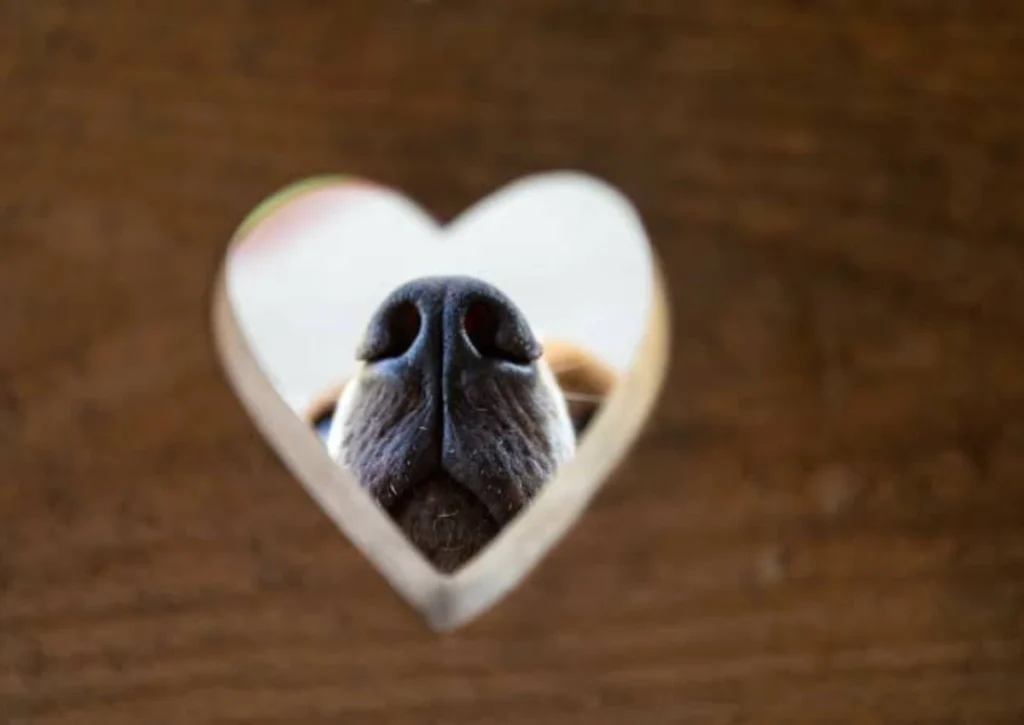
The question of whether or when to bring another pet into your life is one of the most sensitive aspects of coping with pet loss, because it is often tied to both emotional readiness and a sense of loyalty to the pet you have lost. Some people feel a strong urge to fill the space quickly, hoping that a new pet will ease the pain, while others feel hesitant or even resistant, as if adopting again would diminish the bond they shared. Both reactions are natural, but neither should be rushed, because the decision to adopt again requires clarity rather than emotional urgency.
Bringing another pet into your life should come from a place of readiness rather than replacement. A new pet will not replicate the personality, habits, or bond you had before, and expecting them to do so can create unfair pressure on both you and the new animal. Instead, it is important to approach adoption as the beginning of a completely new relationship, one that will develop in its own way over time. When you allow yourself to see it this way, the experience becomes less about filling a gap and more about opening yourself to a new connection.
Taking time before making this decision allows you to process your grief fully and understand what you need emotionally. When you feel that your memories bring more comfort than pain, and when the idea of a new pet feels like an addition rather than a replacement, it is a sign that you may be ready. This approach ensures that your next step is grounded in emotional stability, which is essential for both you and your future pet.
Accepting That Healing Takes Time
Healing from the loss of a pet is not linear, and one of the most important aspects of coping with pet loss is accepting that there is no fixed timeline for recovery. Some days may feel manageable, with memories bringing a sense of warmth, while other days may unexpectedly bring back intense emotions, even after you feel you have made progress. This fluctuation is not a setback; it is a natural part of how grief works, as your mind continues to process the loss in layers rather than all at once. Trying to rush the healing process often creates additional pressure, as you may feel like you should be “over it” by a certain point, especially if others expect you to move on. However, healing is not about reaching a point where you no longer feel anything; it is about reaching a place where your emotions become more balanced and manageable.
Acceptance does not mean forgetting your pet or minimising the bond you shared. Instead, it means learning to live with the absence in a way that does not dominate your emotional state. As this acceptance develops, you begin to notice that your pet’s presence still exists in your thoughts, habits, and memories, but in a way that supports you rather than causing pain. This shift is the true goal of coping with pet loss; it is not about letting go, but about learning how to hold on more healthily.
Final Thoughts
Coping with pet loss is not about forgetting your pet or replacing the bond you shared; it is about learning how to carry that bond in a way that allows you to continue living fully. The grief you feel is a reflection of the connection you built, and giving yourself the time and space to process it is an essential part of honouring that relationship. Over time, the intensity of the loss begins to shift, and what remains is not just the absence but the impact your pet had on your life because in the end, your pet’s presence does not disappear; it changes form. It lives in your memories, your routines, and the way you understand companionship, reminding you that the connection you shared was real, meaningful, and lasting.

yespaws
Recent Posts
-
 How to Manage Pets in Small Apartments September 12, 2026
 -
 Indoor Games to Keep Pets Active September 11, 2026
 -
 How Much Exercise Does Your Dog Really Need September 10, 2026
 -
 First-Time Cat Owner? Here’s How to Groom Your Cat Safely September 9, 2026
 -
 Safety Tips for Night Walks with Dogs September 8, 2026