A PetStyling Guide for Thoughtful Pet Parents
Living with a cat is not just about sharing space. It is about sharing rhythm, habits, moods, and trust. Every thoughtful cat parent knows that cats express themselves quietly. Their comfort shows in small things: the way they sit, the way they groom, the way they choose a corner of the house as their own. Pet styling for cats is not about fashion or trends. It is about care, hygiene, emotional well-being, and respect for a cat’s natural instincts.
This guide is written for cat parents who want to style their cats thoughtfully, not loudly. It is for those who understand that a calm, clean, and well-groomed cat is a happy cat.
Understanding What Pet Styling Means for Cats
Pet styling for cats is often misunderstood. Unlike dogs, cats do not enjoy frequent external grooming sessions. They are self-cleaners by nature. However, thoughtful styling focuses on supporting what cats already do well.
Pet styling includes coat maintenance, nail care, ear and eye hygiene, litter area cleanliness, accessory choices, and even how a cat’s environment is arranged. Styling is not about changing the cat’s appearance. It is about enhancing comfort while preserving personality.
A Persian cat with a long coat needs a different approach than a short-haired Indian domestic cat. A senior cat needs gentler routines than a playful kitten. Thoughtful styling begins with observation.
Knowing Your Cat’s Coat and Skin
A cat’s coat tells a story. Shiny fur often reflects good nutrition and low stress. Dull fur, excessive shedding, or matting may indicate issues that go beyond grooming.
Short-haired cats usually need minimal brushing, once or twice a week. Long-haired cats need daily attention to prevent tangles and painful mats. Using the right brush matters more than brushing frequency. Soft slicker brushes or wide-tooth combs work best for long coats, while rubber grooming brushes suit short coats.

Skin sensitivity should never be ignored. If your cat shows discomfort while brushing, styling needs to slow down. Thoughtful grooming respects a cat’s tolerance level.
Bathing Cats the Right Way
Bathing a cat is rarely necessary. Most cats clean themselves efficiently. Baths are recommended only in specific situations such as medical conditions, flea infestations, or exposure to harmful substances.
When a bath is required, styling becomes an exercise in patience. Lukewarm water, cat-specific shampoo, and a calm environment are essential. Never force a cat into water. Stress can cause long-term grooming aversion. After bathing, drying should be gentle. Loud hair dryers often scare cats. A soft towel and warm room usually work better.
Nail Care as a Styling Essential
Claw trimming is one of the most overlooked aspects of cat styling. Overgrown nails can cause pain, damage furniture, and even curl into paw pads.
Thoughtful nail care means trimming only the transparent tip of the nail and avoiding the pink area. Regular trimming every two to three weeks keeps claws healthy. Introducing nail trimming early in life makes the process easier. Styling also includes providing scratching posts. These help cats naturally manage claw length and mark territory without stress.
Ear, Eye, and Dental Hygiene
Clean ears and clear eyes are signs of a healthy cat. Styling includes gentle weekly checks. Dirt buildup, redness, or discharge should never be ignored.
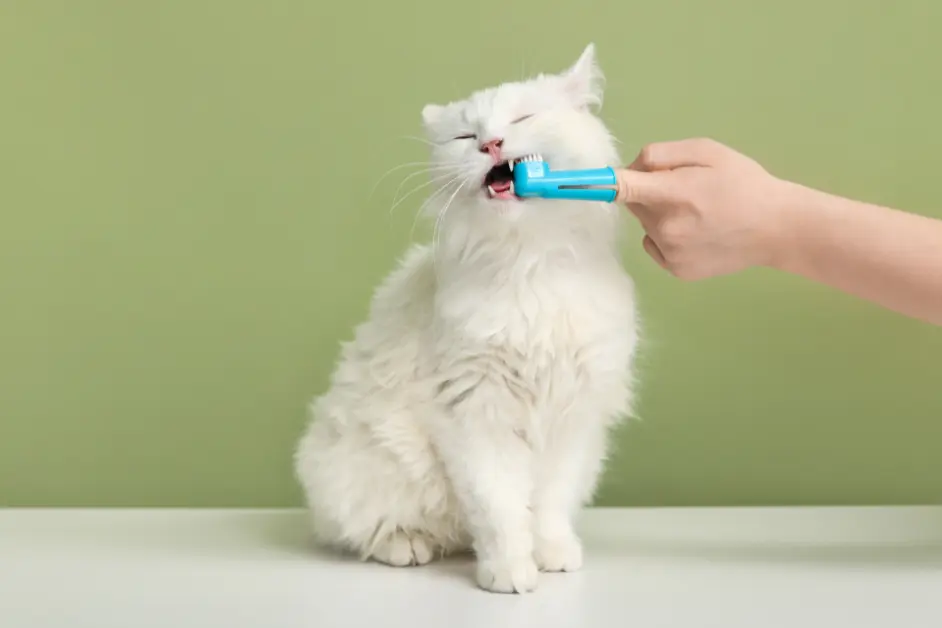
Use soft cotton pads and vet-approved cleaners only. Never insert objects into the ear canal. Eye cleaning should be minimal and done only when discharge is visible. Dental care is often ignored but plays a huge role in overall well-being. Bad breath is not normal. Thoughtful styling includes dental treats, vet-approved toothpaste, and routine check-ups.
Choosing Accessories That Respect Cats
Collars, harnesses, and tags are part of pet styling, but cats have different needs than dogs. Collars should always be breakaway to prevent choking. Lightweight materials work best.
Avoid bells if your cat seems stressed by constant sound. Cats rely on stealth, and noise can create anxiety. Harnesses should fit comfortably without restricting movement. Styling is not about decorating a cat. It is about choosing accessories that add safety without discomfort.
Creating a Styled Living Space for Cats
A thoughtfully styled cat is incomplete without a thoughtfully styled environment. Cats value vertical space, quiet corners, and predictable routines.
Cat trees, window perches, and clean bedding areas contribute to mental comfort. Styling your home for your cat does not mean cluttering it with toys. It means placing items where the cat naturally prefers to rest or observe. Litter area styling is equally important. A clean, odor-free litter box placed in a quiet location reduces stress and improves hygiene. Using unscented litter is often better for sensitive cats.
Seasonal Styling for Cats
Cats experience seasonal changes just like humans. Shedding increases during warmer months. Styling during summer focuses on brushing to reduce hairballs and heat discomfort.
During winter, older cats may need warmer bedding and less frequent baths. Seasonal styling is about adapting routines, not adding complexity. Monitoring hydration is especially important in hot weather. Clean water bowls placed in multiple locations support both health and coat condition.
Nutrition as the Foundation of Styling
No amount of grooming can replace good nutrition. Coat quality, skin health, and even nail strength depend on diet. Protein-rich food supports fur health. Omega fatty acids contribute to shine. Adequate hydration prevents dryness and shedding. Thoughtful cat parents understand that styling starts from the inside. Avoid sudden food changes. Any dietary adjustment should be gradual and guided by a vet.
Styling Senior Cats with Care
Senior cats require a softer approach. Arthritis, reduced flexibility, and sensory changes affect grooming habits. Older cats may groom less effectively, leading to matting.
Thoughtful styling for senior cats includes shorter grooming sessions, supportive bedding, and extra patience. Observing behavioral changes is part of responsible care. Never assume a senior cat’s discomfort is normal aging. Styling includes noticing and responding to subtle signs.
Respecting a Cat’s Personality
Every cat is different. Some enjoy brushing sessions, others tolerate them briefly. Styling should never override personality. A thoughtful cat parent styles with consent, not force. Reading body language, stopping when stress appears, and building trust over time are more important than perfect grooming. Styling becomes bonding when done with empathy.
Common Cat Styling Mistakes to Avoid Over-grooming is a common mistake. Too many baths, excessive brushing, or frequent product use can damage skin and coat. Using human grooming products is another mistake. Cats have different pH levels and sensitivities. Ignoring stress signals leads to long-term resistance. Thoughtful styling listens first and acts second.
Why Thoughtful Styling Strengthens the Human-Cat Bond
When done correctly, styling becomes a shared ritual. A calm brushing session, a gentle nail trim, or even preparing a clean sleeping area communicates safety. Cats may not seek attention loudly, but they remember gentle hands. Thoughtful styling builds trust quietly and deeply.
People Also Ask FAQs
How often should I groom my cat?
Most short-haired cats need grooming once or twice a week. Long-haired cats benefit from daily brushing to prevent mats.
Is it safe to bathe a cat?
Bathing is safe only when necessary and should be done gently using cat-specific products. Most cats do not need regular baths.
Do cats need nail trimming?
Yes, regular nail trimming prevents overgrowth, discomfort, and accidental injuries. Scratching posts also help maintain nail health.
Can grooming reduce hairballs in cats?
Yes, regular brushing removes loose fur, reducing the amount swallowed during self-grooming and helping prevent hairballs.
What grooming tools are best for cats?
Soft slicker brushes, rubber grooming gloves, wide-tooth combs, and cat-specific nail clippers work best depending on coat type.
Is grooming stressful for cats?
It can be if rushed or forced. Thoughtful grooming respects a cat’s comfort level and builds trust gradually.
How do I groom an older cat?
Use shorter sessions, gentle tools, and watch for signs of pain or discomfort. Senior cats benefit from extra patience.
Final Thoughts
Pet styling for cats is not about trends, social media photos, or perfection. It is about understanding a quiet companion and responding with care. A thoughtfully styled cat is comfortable, confident, and calm. When styling is guided by respect rather than appearance, it becomes a language of love that cats understand in their own silent way.

yespaws
Recent Posts
-
 Pet Grooming Is Love in Action: Why Every Brush, Bath, and Trim Matters February 27, 2026
 -
 Cat Boarding in Hyderabad: Everything You Need to Know February 17, 2026
 -
 Human Shampoo vs Pet Shampoo: The Silent Damage February 11, 2026
 -

-
 How Regular Grooming Improves Your Pet’s Behaviour & Mood February 6, 2026