Professional Cat Grooming —Why Your Cat Needs More Than Self-Cleaning
Being a cat parent, you must have wondered about how your cat takes care of himself or herself in the process of grooming. At times, seeing them take hours licking their paws and grooming their fur, it becomes easy to perceive that they have everything in check.
However, this is where the reality that cat owners learn too late comes in, even the most scrupulous cats require professional assistance with the grooming process.
I have worked with cats and talked to many cat parents over the years, and I have come to realize that professional grooming is not a luxury but a responsibility in owning a cat. I would like to explain why it is important to your beloved companion and how it can change not only his or her health but also your relationship.
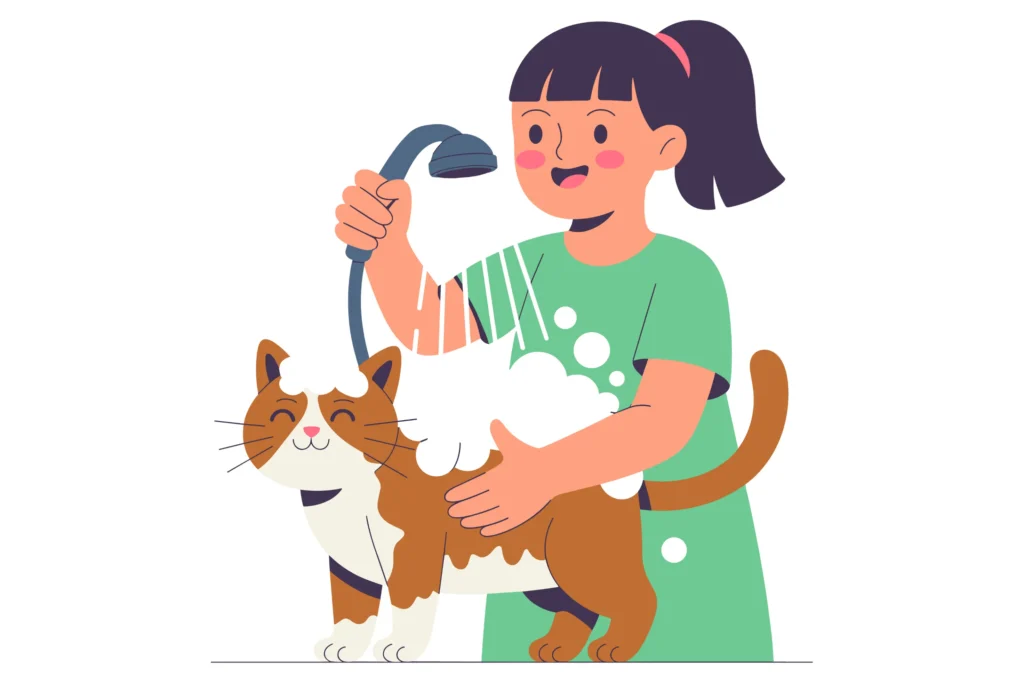
Know Your Cat—The Science of Self-Grooming
Cats have rough tongues that are instinctively adapted to grooming, and cats devote about 30-50 percent of their awake time to cleaning themselves. This instinctive action is not without several functions, it sheds loose fur, spreads constituent oils, maintains the body temperature, and is comfortable.
Yet the tongue of your cat can do no more. Although it does a terrific job of cleaning the surface, it is incapable of cleaning some parts, cleaning overgrown nails, serious matting, or solving hygiene problems that will arise over time.
Consider it in the following way, We human beings take a shower every day; however, we still go to hairdressers, dentists, and nail salons, as there are certain things that cannot be done without professional knowledge and equipment.
The Real Challenges of At-Home Cat Grooming
Any person who has ever tried to bathe his cat at home knows that it is like preparing to go to war. The fear of water is inherent to many cats, and it may not take long before the experience turns into a mild protest to an open resistance, including scratching, hissing, and acrobatic escapades.
In addition to bathing, brushing may also be quite a challenge on its own. Unless you do so with proper technique and with appropriate tools, you may not notice any hidden tangles developing that are very close to the skin, particularly in those hard-to-access parts such as under the arms or around the back end.
It is also nerve-wracking when you worry that you cut too close to the quick when trimming nails, and ear cleaning is something that you need to know what is normal and what indicates infection.
Such challenges usually lead to half-baked sessions of grooming, heightened tension between you and your cat, and eventually deteriorated situations that could have been avoided.
Emotional stress has the potential of breaking the relationship between you and your pet, and grooming becomes something that both parties dislike.
The Full Reasoning of Professional Cat Grooming.
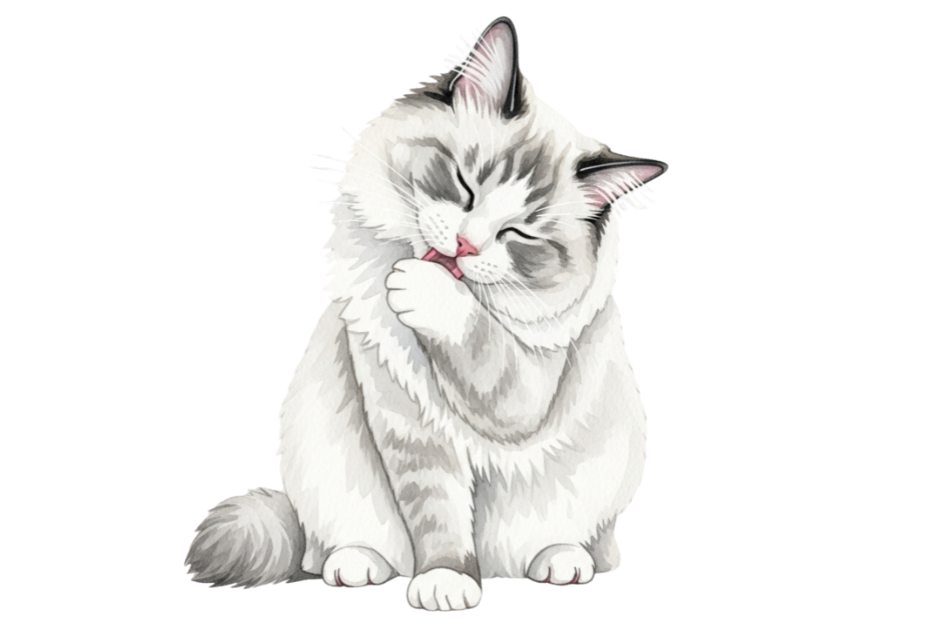
Professional treatment of matted fur.
Matted fur is not only a fashion problem, but it is also a health problem of serious concern. When fur is extremely knotty and knots up near the fur, it drags with each movement, limits free movement, and may trap moisture against the skin, providing optimal conditions in which the bacterium or fungi may thrive.
Professional groomers have specialized equipment and methods of removing mats safely with no harm or damage to your cat.
The other breeds with short hair may only require brushing every week, whereas long-haired breeds such as Persians, Maine Coons, and Ragdolls may require attention every day which many time-starved pet owners cannot afford.
Groomers are also able to offer strategic haircuts that trim your future mats without taking away the beauty of your cat.
Reduction of Hairballs and Shedding
Hairballs are not only an ugly surprise in your carpet but could also result in a blockage in your digestive tubes, which could be uncomfortable for your cat. Professional de-shedding procedures help you debark your cat of the loose undercoat fur before they can eat it in the process of self-grooming.
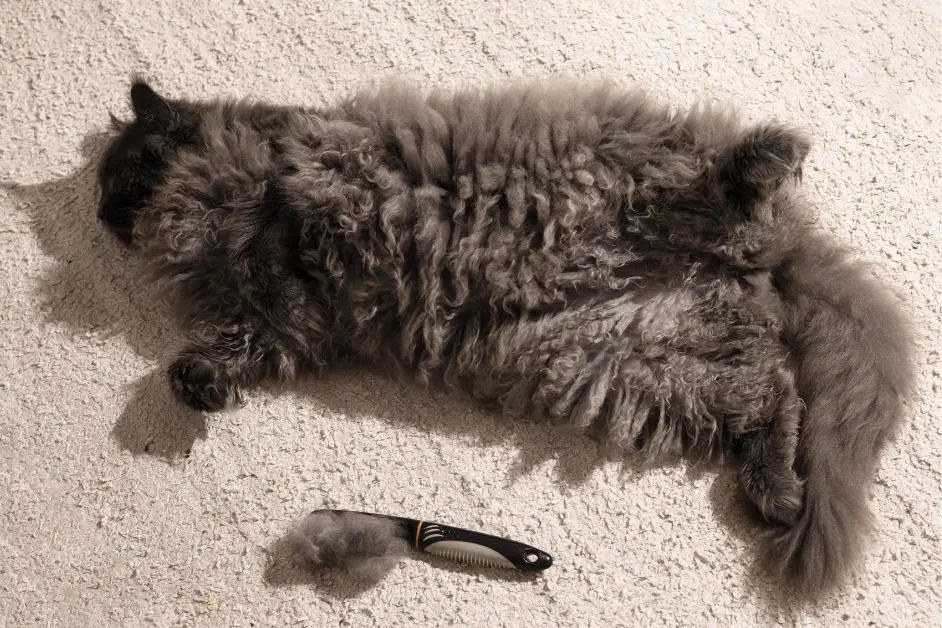
This has a radical effect of decreasing the number of hairballs and gastrointestinal complications that are serious.
Professional grooming also implies that there is not a lot of fur floating about your home. And when you have ever had to wear a black outfit only to find yourself instantly covered in cat hair, you will understand the effectiveness of professional de-shedding in controlling in-between-session shedding.
Proper Nail Care
Excessively long nails may twist up into the paws of your cat, leading to pain, walking problems, and possible infections. They may also result in destructive scratching behavior in an attempt to wear them down naturally on your furniture.
Professional groomers understand how to trim nails safely and how to tell when the quick (blood vessel inside the nail) is there and when to cut it at the best length that does not hurt or otherwise harm your cat.
Thorough Hygiene Maintenance
Professional groomers clean areas that are difficult or uncomfortable for you to address at home.
This includes:
- Ear cleaning: Removing wax buildup and checking for signs of ear mites or infections.
- Eye area: Gently wiping away discharge and tear stains, especially important for flat-faced breeds.
- Sanitary areas: Trimming fur around the hindquarters where litter and waste can accumulate.
These services ensure your cat stays fresh and comfortable while preventing unpleasant odors in your home.
Early Health Detection
It is possible that one of the greatest advantages of professional grooming is the early detection of diseases. Professional groomers look at each and every inch of the body of your cat when they are in sessions, and they can recognize the possible problems that you may miss when you are simply playing with your pet.
These include:
- Lumps, bumps, or unusual growths
- Skin irritations, rashes, or hot spots
- Parasites like fleas, ticks, or flea dirt
- Changes in skin condition or coat quality
- Dental issues visible during facial grooming
By diagnosing your cat early, you can be sure that there is easier and more effective treatment and could very well save your cat, simply by preventing the severe conditions before they occur.
Managing Anxious and Difficult-to-Handle Cats
There are cats that are inherently more anxious or reactive. Such cats might have been abused before, or they are just shy, or they do not like being caged. It is especially helpful to these cats to be groomed by a professional.
Groomers know the body language and behavior of the felines. They understand how to make the place quiet and apply soft ways of handling and working at a pace that will make cats calm. They know how to read the stress signs and change their style to suit the situation, and that is a result of many years dealing with hundreds of different cats with different temperaments.
Socialization benefits are also made by having regular professional grooming sessions. Cats that are taken to groomers will always tend to get used to being handled with time, and as a result of this, they will find visiting the veterinarian and attending to other treatments easier in the long term.
Being mentally healthy is not inferior to being physically healthy, and training your cat to enjoy the grooming process is part of their life quality.
Special Considerations for Different Cat Breeds
Not all cats have the same grooming needs. Understanding your specific breed’s requirements is crucial:
Long-haired breeds (Persian, Himalayan, Maine Coon, and Ragdoll): These cats require frequent professional grooming, ideally every 4-6 weeks, to prevent severe matting and maintain coat health.
Short-haired breeds (Domestic Shorthair, Siamese, Bengal): While they need less frequent grooming, they still benefit from professional sessions every 8-12 weeks for de-shedding and nail care.
Hairless breeds (Sphynx): Despite lacking fur, these cats need regular bathing to remove oil buildup on their skin.
Senior cats: Older cats often struggle with self-grooming due to arthritis or decreased flexibility, making professional care essential for their comfort and dignity.
How to Choose Quality Grooming Services
When selecting a professional groomer for your cat, look for these qualities:
- Specialized cat experience: Not all pet groomers are experienced with felines. Cats require different handling techniques than dogs.
- Certification and training: Look for groomers with formal training in feline behavior and grooming techniques.
- Clean, calm environment: Visit the facility to ensure it’s hygienic and designed to minimize stress for cats.
- Patience and gentleness: Watch how the groomer interacts with cats. They should be calm, patient, and never forceful.
- Transparent practices: Good groomers welcome questions and will explain their process, products used, and how they handle anxious cats.
- Veterinary connections: Groomers who work closely with veterinarians or have vet-approved protocols demonstrate a commitment to cat health.
Creating a Positive Grooming Routine
To make professional grooming a positive experience:
- Start early: If possible, introduce your cat to professional grooming while they’re still young to build positive associations.
- Maintain consistency: Regular appointments help your cat become familiar with the routine and the groomer.
- Stay calm: Cats pick up on your anxiety, so remain relaxed when dropping them off.
- Complement with at-home care: Brush your cat regularly between professional sessions to maintain their coat and reinforce bonding.
- Reward positive behavior: Offer treats and praise after grooming appointments.
Final thoughts
There is professional cat grooming, which is a health, comfort, and longevity investment in your pet. It stops painful matting, helps minimize hairballs, keeps things clean, catches health issues at the first stage, and keeps your cat looking and feeling their best.
Spending money on professional grooming of the cat is not an option but a necessity, especially for cats that do not like to get groomed at home or when these cats have special needs, such as long coats, or have anxiety problems.
With the help of groomers, who know about the needs and behavior of cats, you will be able to provide your cat with a full range of services that will do much more than your tongue can. Your cat does not necessarily need to be grateful, but his/her soft, healthy coat, comfortable nature, and purring satisfaction will be the eloquent words.
Keep in mind a clean, healthy cat is a happy one—and it is what any responsible pet owner desires his/her best friend to be.
FAQs
1. Do cats really need professional grooming if they clean themselves all the time?
Yes, cats spend almost half their waking hours grooming, but their tongue can only clean the surface. It cannot remove deep mats, trim nails, clean ears, or manage hygiene issues.
2. How do I know if my cat needs a professional groomer?
If you notice knots, shedding everywhere, dirty ears, long nails, oily fur, a bad smell, or constant hairballs, it’s time for expert care.
3. My cat hates baths. Will a groomer be able to handle them?
Yes, professional groomers are trained to read feline body language, work gently, and create a calm environment. They know how to bathe even anxious or reactive cats safely without causing trauma.
4. What is matting, and why is it dangerous?
Mats are tight, painful clumps of fur that can restrict movement, trap moisture, and even lead to infections or hidden parasites. A professional groomer removes them safely without hurting your cat’s skin.

yespaws
Recent Posts
-
 Pet Grooming Is Love in Action: Why Every Brush, Bath, and Trim Matters February 27, 2026
 -
 Cat Boarding in Hyderabad: Everything You Need to Know February 17, 2026
 -
 Human Shampoo vs Pet Shampoo: The Silent Damage February 11, 2026
 -

-
 How Regular Grooming Improves Your Pet’s Behaviour & Mood February 6, 2026