How to Choose the Right Grooming Package for Your Dog or Cat in 2025
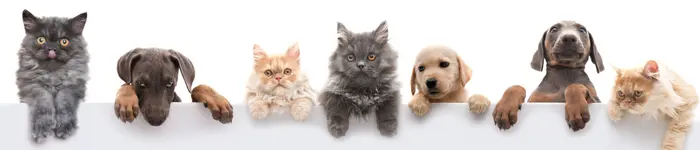
Something is special about rubbing fingers through the freshly groomed hair of your pet—that feeling of softness, that shine, that satisfaction in their eyes. Being a pet parent who has spent countless hours training in the art of home grooming (and making a lot of mistakes in the process). Your pet’s coat tells a story.
A shiny, well-kept coat purrs about health and care and neglected, scratched fur is a remarkable indication that something is amiss. In addition to its aesthetic benefits, routine grooming eliminates allergens in the air in your home, helps avoid painful skin diseases, and saves you hundreds and even thousands of dollars a year on expensive grooming.
The best part? The majority of pets love the opportunity to be given one-on-one attention after getting rid of their first nervousness.
Understand Uniqueness of the Coat of Your Pet
You have to know what you are dealing with before you pick up a single brush. The fur of your pet is not merely a decoration but a complex mechanism that helps to keep the animal cooler and warmer, to preserve the skin and to reflect the best condition of the organism.
Everything depends on the texture, length and developmental pattern; which tools to pick; how often to groom; and which tricks will make your pet purr (or wag) to his/her satisfaction.
Let’s explore !
Short-Haired Pets
Perfect for: Beagles, Boxers, British Shorthair cats
Pets with short hair appear to be easy to care for and in most ways, they are, but they require regular care. These cats are shedders and all the fur drains out of them all year round and comes into every niche of your home.
Your grooming toolkit:
- Rubber curry brush (washing hair)
- Brush with soft bristles (applies natural oils to give shine)
- Deshedding tool (heavy shedding seasonally)
- Grooming interval: 2-3 times every week.
Experience has shown to avoid using wire brushes on short-haired pets. This came to my difficulty when my Boxer mix got irritated skin. Bristles of the wire scratch the tender skin leaving it sore and untidy for pets that do not want to undergo grooming once more. Use rubber or soft bristles—the skin of your pet will be happy.
Long-Haired Beauties
Perfect for: Afghan Hounds, Persian cats, Maine Coons, Yorkshire Terriers
Short-haired pets seem to be easy to keep and in every aspect, they are; however, they need frequent attention. These are shedders and all the hair oozes out of them in the course of an entire year and falls into every crevice of your house.
Your grooming toolkit:
- Washing hair with a rubber curry brush.
- Brush having soft bristles (applies natural oils to provide shine).
- Deshedding tool (sheds seasonally).
- Bathing time: 2-3 times per week.
It has been observed that it is best not to use a wire brush on short-haired pets. This came to my big trouble when my Boxer mix developed skin irritations.
The wire scratches the sensitive skin making it inflamed and disheveled, and pets would not wish to be groomed again. Fabric rubber or soft bristles—the skin of your pet will be glad.
Curly-Coated Companions
Perfect for: Poodles, Goldendoodles, Labradoodles
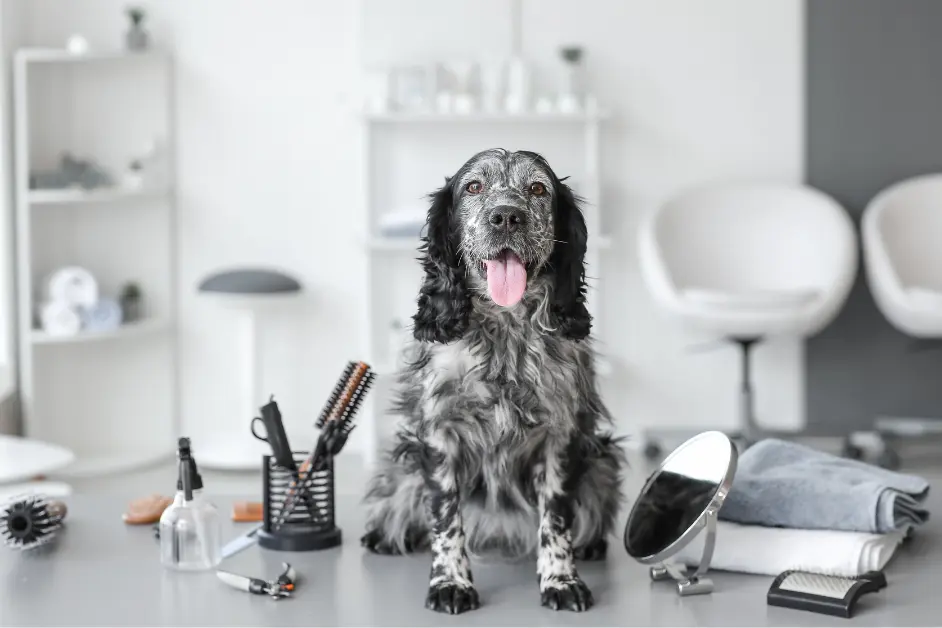
Curly coats: the most hypoallergenic dreams to keep, the nightmare to groom. Those coats do not shed in the real sense; they just lose loose hair in the curls, forming mats should they not be cleaned off regularly.
Your grooming toolkit:
- Slicker brush (follows the body contours naturally) curved.
- Steel check (hides mat check)
- Clippers (essential, not optional) of professional grade.
- Grooming regimen: Brushing every day and professional clipping on a 4-6 week basis.
It maintains the coat of the Goldendoodle with the help of brushing every now and then. It took two months to allow the matting to grow so hard that the groomer was forced to shave him bare.
Curly coats require a commitment. Unless you are ready to brush your teeth daily and get your hair professionally clipped regularly, make a different choice of a breed or devote a lot of time to a grooming salon.
Double-Coated Dynamos
Perfect for: German Shepherds, Huskies, Siberian cats, Golden Retrievers
Double-coated breeds have a soft, insulating undercoat beneath a protective topcoat. They’re weather-resistant, temperature-regulating marvels—that shed enough fur to construct an entirely new pet twice a year.
Your grooming toolkit:
- Undercoat rake (reaches deep to remove loose undercoat)
- Pin brush (maintains topcoat)
- High-velocity dryer for dogs (blows out loose undercoat efficiently)
Grooming schedule: Weekly minimum, daily during spring and fall shedding seasons
The amount of fur that comes out is genuinely astounding. A high-velocity dryer (designed for pets, not human hair dryers, which run too hot) speeds up the process dramatically.
For double-coated cats, frequent brushing prevents hairballs and typically doesn’t require powered dryers, which most cats despise anyway.
How to Build a Perfect Pet Grooming Kit
It can be daunting to enter a shop that sells pet supplies. Swarms of grooming implements guarantee us miracles but you do not need the fifty machines in your wardrobe. You need to own safe and convenient objects that may assist you in grooming in a simpler and more enjoyable manner.
The Brush Collection
Slicker brushes have a narrow, curved pin that holds and pulls off the mats without damaging the healthy hair. They work especially well on medium-long coats and in shedding season.
Long hair is polished using pin brushes that have ball-shaped ends, and the sensitive skin is not scratched. Consider them as the final touch to untangling.
Bristle brushes spread natural oils on short hair, giving it that desirable healthy shine and clearing the hair of debris.
The double-coated breeds cannot afford to have undercoat rakes. By going through the topcoat, they penetrate to loosen the undercoat before matting occurs, preventing sore tangles and making the amount of shedding in the home significantly lower.
Clippers and Scissors
The modern pet clippers have developed a lot. Cordless designs allow one to move around without disturbing pets, and the guard combs can be adjusted to not cut too short (an error that can only be overcome after months).
What to look for:
- Low-noise operation (many pets fear buzzing sounds).
- Cool-running blades (prevent burns during longer sessions).
- Multiple speed settings (start slow, increase as pet acclimates)
- LED lights (illuminate around paws, ears, and other shadowy areas)
For detailed work: Rounded-tip scissors keep faces and paws safe, while thinning shears blend lines for a natural, professional appearance.
Nail Care
Let’s be honest—most of us hate trimming pet nails. Our pets often hate it more. But overgrown nails cause pain, alter gait, and can curl back into paw pads if left too long.
Scissor-style clippers are generally recommended for both cats and dogs. They provide a cleaner cut across various nail sizes and give you better control.
Guillotine-style clippers work for some smaller pets but may crush rather than slice the nail cleanly, causing discomfort.
Nail grinders offer a gentler alternative. They’re quieter and remove small amounts gradually, which many anxious pets tolerate better than the quick snip of clippers.
Essential safety equipment: Keep styptic powder within arm’s reach. Even professional groomers occasionally nick the quick (the blood vessel inside the nail). When it happens—and it probably will—stay calm, apply styptic powder, and offer treats and reassurance.
Final thoughts
The selection of the appropriate grooming package is all about selecting comfort and care for your pet. Knowing their type of coat, which can be short, long, curly, or double, you can choose the services that will help them to be healthy, to avoid matting, to have less shedding, and to feel their best.
It is not only working but also a good grooming habit, which makes you trust and enhances your relationship. Grooming can also be a relaxing process, and with the correct equipment, soft handling and regular treatment, your pet will actually enjoy this grooming.
Keep it easy; select what is befitting to your pet’s coat and character, and grooming can be a little display of love that will keep them shiny, both out and in.
FAQs
Q: Does an indoor cat need grooming?
Yes. Cats indoors still shed, secretes oils and develop nails. Brush once weekly in short-haired breeds and once daily in long-haired breeds. Clip nails after every 3-4 weeks and clean ears once a month.
Q: If I groom my dog at home, do I still need a professional?Home grooming is good, though professionals do such things as sanitary trims, shaping their coats, and early identification of skin problems. Optimal results include visits every 2-3 months.
Q: My dog is fine with grooming, but my cat hates it. Why?
Cats naturally resist grooming. Keep sessions short, use treats, and avoid forcing them. Try waterless shampoos or wipes for cats that hate water.
Q: How do I know if my pet’s coat is truly healthy?
A healthy coat is shiny, not greasy, sheds normally, has no dandruff, and doesn’t smell. The skin should look clear and your pet should enjoy being touched.
Q: Biggest grooming mistake new owners make?Waiting too long between sessions. This leads to matting and stress. Start early, keep sessions short, and stay consistent. Prevention is easier than fixing neglect.

yespaws
Recent Posts
-
 Pet Grooming Is Love in Action: Why Every Brush, Bath, and Trim Matters February 27, 2026
 -
 Cat Boarding in Hyderabad: Everything You Need to Know February 17, 2026
 -
 Human Shampoo vs Pet Shampoo: The Silent Damage February 11, 2026
 -

-
 How Regular Grooming Improves Your Pet’s Behaviour & Mood February 6, 2026