Why Your Cat Is Not Eating and What to Do
A cat refusing food is never something that should be ignored for too long, even if the behaviour initially appears mild or temporary. Unlike humans or even dogs, cats are particularly sensitive to appetite changes because their bodies are not designed to tolerate prolonged fasting well. What many owners fail to realise is that appetite loss in cats is often not the actual problem itself; it is a symptom indicating that something deeper may be affecting physical health, emotional well-being, digestion, pain levels, or internal organ function.
Understanding why your cat is not eating is important because cats naturally hide discomfort extremely well. In the wild, visible weakness makes animals vulnerable, so cats instinctively suppress signs of illness for as long as possible. This means appetite changes are often one of the earliest visible warnings owners notice before more serious symptoms appear. By the time a cat completely stops eating, the body may already be under significant internal stress.
Another challenge is that cats can stop eating for both medical and emotional reasons. Some causes may be relatively minor and temporary, while others require urgent veterinary attention. Stress, dental pain, digestive illness, infection, kidney disease, nausea, environmental changes, or even subtle emotional distress can all affect appetite. The key is learning to recognise the difference between a brief appetite fluctuation and a potentially serious health concern.
Because in the end, appetite is closely connected to nearly every major body system in cats. When a cat stops eating, the body quickly begins losing energy balance, hydration stability, and metabolic support, which is why early recognition and proper response matter so much.
Why Appetite Loss in Cats Is More Serious Than Many Owners Realise
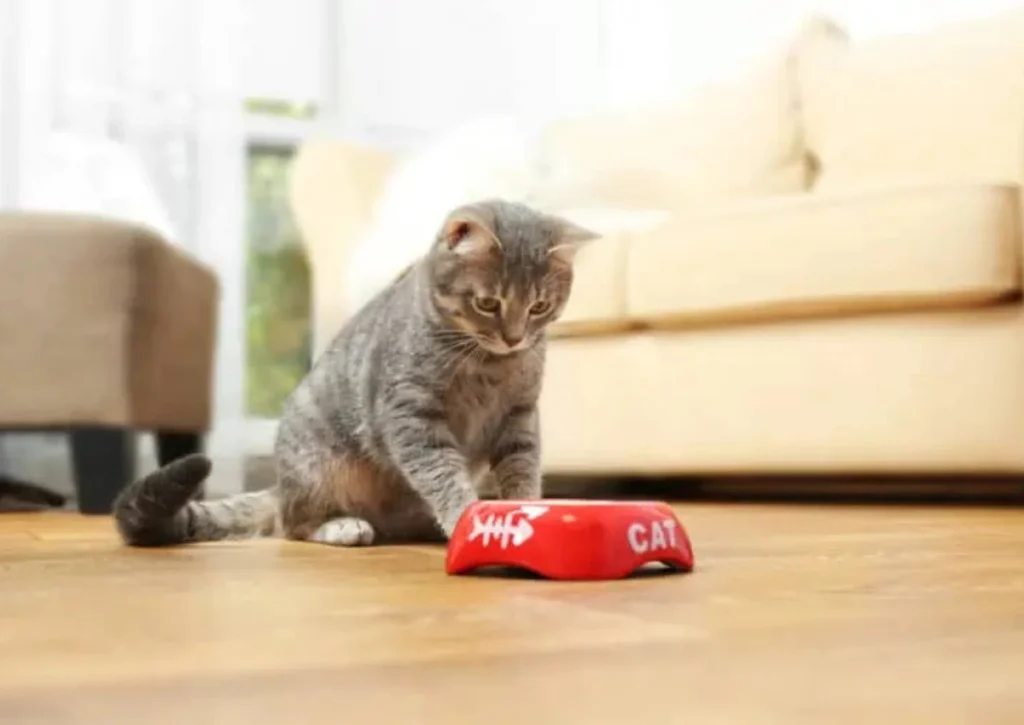
Cats are biologically different from many other animals when it comes to food intake and metabolism, which is why prolonged appetite loss becomes dangerous more quickly than many owners expect.
Cats Are Not Designed for Long Fasting Periods
A cat’s body depends heavily on consistent food intake to maintain healthy liver function and energy balance. When a cat stops eating, the body begins breaking down stored fat for energy very quickly. However, cats process fat differently than many other animals, and excessive fat breakdown can overwhelm the liver, leading to a dangerous condition called hepatic lipidosis, or fatty liver disease.
What makes this condition especially concerning is that it can develop surprisingly fast, particularly in overweight cats. A cat that refuses food for several days may already begin experiencing serious metabolic complications even if the original reason for appetite loss was relatively manageable initially. This is why owners should never assume that “they’ll eat when they’re hungry enough.” Unlike some animals, cats may continue avoiding food even while the body becomes progressively weaker internally.
Appetite Often Reflects Overall Health
Cats rarely stop eating without reason. Appetite is closely connected to pain levels, digestion, hydration, emotional comfort, organ function, hormone balance, and neurological wellbeing. This means reduced appetite often reflects a broader internal imbalance rather than simple food preference alone.
The challenge is that many illnesses in cats initially appear only through appetite changes before more obvious symptoms develop. Kidney disease, infections, digestive disorders, diabetes, dental pain, and even stress-related illness may first appear as mild food avoidance because cats naturally hide discomfort, and appetite changes often become one of the clearest early warning signs owners can observe at home.
Small Changes Can Become Serious Quickly
A cat eating slightly less for one day may not always indicate emergency illness, but persistent appetite reduction should never be ignored because cats can deteriorate quickly once nutritional intake decreases significantly. Dehydration, weakness, nausea, liver stress, and muscle breakdown may begin developing faster than many owners expect. The longer the appetite loss continues, the harder recovery may become because the body loses stability progressively over time. This is why monitoring duration matters just as much as severity. Even mild appetite changes become important when they continue consistently.
Stress and Emotional Changes Can Affect Appetite
One of the most underestimated reasons a cat may stop eating is emotional stress. Cats are extremely sensitive animals that rely heavily on familiarity, routine, scent recognition, and environmental stability to feel secure. Unlike dogs, which often express stress more outwardly, cats usually react quietly and internally, which makes emotional causes of appetite loss much harder for owners to recognise. What makes this especially important is that stress not only affects behaviour, it also directly affects digestion, hormone balance, sleep patterns, and overall physical wellbeing.
Cats Thrive on Predictability
Cats feel safest when their environment remains stable and predictable. Familiar smells, consistent feeding routines, known territory, and repeated daily patterns help regulate their emotional state and create a sense of control. Even changes that seem small to humans, such as moving furniture, changing litter brands, introducing a new pet, visitors staying in the house, loud construction noise, or changes in your work schedule, can significantly disrupt a cat’s sense of stability.
What makes stress-related appetite loss difficult to identify is that cats rarely react dramatically. Instead of visibly panicking, they often become quieter and more withdrawn. Some cats begin hiding more often, sleeping excessively, avoiding interaction, or eating smaller amounts over time. Because these behaviours appear subtle, owners often assume the cat is simply being moody or independent rather than emotionally stressed. The body’s stress response also affects digestion directly. When stress hormones remain elevated, digestion slows down, nausea may increase, and appetite naturally decreases because the body prioritises survival and alertness over normal digestive function. This means emotional discomfort can physically suppress appetite even when no disease is present.
Anxiety Can Cause Digestive Discomfort
Stress and digestion are deeply connected in cats. When anxiety becomes prolonged, the digestive system itself often becomes more sensitive and unstable. Some cats develop nausea, stomach irritation, food aversion, bloating, or irregular digestion because the nervous system remains in a heightened stress state for too long.
This creates a cycle that gradually worsens over time. Stress reduces appetite, reduces eating, weakens energy balance, increases physical weakness, increases emotional sensitivity, and the cat becomes even more reluctant to eat. Over time, even mild emotional stress can evolve into a more serious physical issue because the body is no longer receiving adequate nutrition and hydration consistently. What makes this especially difficult is that nausea in cats is often subtle. Unlike humans, cats do not always vomit when they feel sick. Instead, they may lick their lips repeatedly, swallow excessively, sit near food without eating, or suddenly lose interest after initially appearing hungry. These small behaviours are often signs of digestive discomfort caused by emotional stress rather than simple food preference.
Emotional Withdrawal Can Be Misunderstood
Cats experiencing emotional stress frequently appear “calm” externally, even while they are emotionally overwhelmed internally. This is one of the biggest reasons emotional appetite loss is overlooked. A stressed cat may not cry, panic, or seek comfort openly. Instead, the cat may quietly withdraw from interaction, hide more frequently, avoid eye contact, or reduce engagement with the environment because these behaviours are subtle; owners often assume the cat simply wants space or has become less social with age. However, emotional withdrawal combined with appetite changes usually signals that the cat is struggling to feel secure internally.
Another important point is that cats often associate emotional safety with eating behaviour. A cat that feels unsafe or overstimulated may avoid eating altogether because vulnerability during eating increases anxiety. This is why stressed cats sometimes prefer eating only when the house is quiet, when other pets are absent, or when they are completely alone. The longer emotional stress continues, the more physical effects begin appearing. Reduced eating leads to dehydration, lower energy, weakened immunity, digestive imbalance, and eventually worsening emotional sensitivity. This is why stress-related appetite loss should never be dismissed simply because no obvious illness is visible initially.
Dental Pain and Mouth Problems
Many cats stop eating not because they lack hunger, but because eating itself becomes painful. Dental and oral problems are among the most common yet overlooked causes of appetite loss in cats because the symptoms often develop gradually and remain hidden until the discomfort becomes severe. Cats instinctively hide pain extremely well, especially mouth pain, which means owners may only notice subtle eating changes long before obvious signs appear.
Dental Disease Is Extremely Common in Cats
Dental disease affects a very large percentage of adult cats, especially as they grow older. Conditions such as inflamed gums, tartar buildup, tooth infections, loose teeth, ulcers, fractured teeth, and tooth resorption can make chewing extremely uncomfortable. Tooth resorption is particularly common in cats and occurs when the tooth structure slowly breaks down internally, often causing significant pain even before external damage becomes visible.
What makes dental-related appetite loss difficult to recognise is that hunger often remains normal initially. A cat may still approach food eagerly, sniff meals with interest, or appear excited at feeding time because the desire to eat is still present. However, once chewing begins and pain increases, the cat may suddenly stop after only a few bites. Owners frequently misunderstand this pattern as picky eating or food boredom when the real issue is oral discomfort. Some cats repeatedly approach the bowl throughout the day but eat only very small amounts because they are trying to balance hunger with pain avoidance.
Cats Often Hide Oral Pain
Cats rarely show dramatic signs of dental pain the way humans might. Instead of pawing at the mouth or crying visibly, they usually adapt quietly and continue functioning as normally as possible despite significant discomfort. This is why owners must pay attention to subtle behavioural clues. A cat with mouth pain may chew only on one side, drop food while eating, eat unusually slowly, avoid hard treats, drool slightly, develop bad breath, or repeatedly move food around the mouth before swallowing. Some cats tilt their head while chewing or suddenly walk away from the bowl after appearing interested in food initially.
Because these behaviours develop gradually, many owners normalise them over time. The cat still eats “a little,” so the seriousness of the issue is underestimated. However, ongoing dental pain creates constant physical stress and often worsens progressively without treatment.
Mouth Pain Quickly Reduces Appetite
Once chewing becomes painful enough, many cats begin significantly reducing food intake to avoid discomfort. This creates a dangerous cycle because reduced eating weakens the body while infection and inflammation inside the mouth continue worsening simultaneously. Untreated dental disease affects far more than the teeth alone. Chronic oral infection continuously exposes the body to bacteria and inflammation, which places stress on the immune system and may eventually affect organs such as the kidneys and heart over time.
Mouth pain also affects hydration because some cats avoid drinking normally when jaw movement becomes uncomfortable. Over time, reduced eating and drinking together can quickly lead to weakness, dehydration, muscle loss, and worsening health complications. Early dental treatment often improves appetite remarkably because once pain decreases, the desire to eat usually returns naturally. Recognising the subtle signs early, therefore, makes a major difference in protecting both short-term comfort and long-term health.
Digestive Problems and Nausea
Digestive discomfort is one of the most common reasons cats stop eating, yet it is also one of the hardest causes for owners to recognise early. Unlike humans, cats do not always show obvious signs of stomach pain or nausea. Many continue sitting near food bowls, showing interest in meals, or maintaining relatively normal behaviour while quietly struggling with internal discomfort. Because of this, owners often assume the cat is being picky or stubborn when the real issue is nausea, digestive irritation, or abdominal pain. What makes digestive-related appetite loss especially important is that once a cat stops eating due to nausea, the body quickly becomes weaker, which often worsens the nausea further and creates a difficult cycle to break.
Nausea Suppresses Appetite Quickly
Cats experiencing nausea often avoid food instinctively because eating can intensify stomach discomfort. This nausea may develop due to hairballs, gastritis, intestinal inflammation, parasites, toxin exposure, infections, kidney disease, liver problems, food intolerance, or chronic digestive disorders. In some cases, even mild dehydration or stress can make the stomach feel unsettled enough to reduce appetite.
One of the biggest challenges is that cats do not always vomit when nauseous. Instead, the signs are often subtle and behavioural rather than dramatic. A nauseous cat may approach food repeatedly but walk away after sniffing it, lick the lips excessively, swallow frequently, grind the teeth softly, or stare at food without eating. Some cats become unusually quiet or restless because the body feels physically uncomfortable internally. The longer the nausea continues, the more dangerous the situation becomes because reduced eating weakens energy balance and increases dehydration. This worsens stomach irritation further, making appetite even more difficult to restore naturally.
Digestive Illness Creates Internal Stress
When the digestive system is inflamed or functioning poorly, the body struggles to process nutrients, maintain hydration, and regulate energy properly. Conditions such as constipation, diarrhoea, bloating, inflammatory bowel disease, intestinal infections, or stomach inflammation create ongoing physical stress that often suppresses appetite significantly. Digestive illness affects far more than the stomach alone. When nutrients are not absorbed properly, the body begins losing strength, muscle condition, and metabolic balance. Cats may become weaker, less active, dehydrated, or emotionally withdrawn because the body is no longer functioning comfortably.
What many owners overlook is that abdominal discomfort in cats is often very subtle. Instead of crying or visibly reacting to pain, cats usually become quieter and more withdrawn. Some may sit in unusual positions, avoid movement, hide more frequently, or react sensitively when touched around the abdomen. Others may continue attempting to eat but stop after a few bites because the digestive system feels physically uncomfortable.
Hairballs Can Also Affect Eating
Hairballs are often treated casually, but repeated or severe hairball buildup can significantly irritate the digestive tract and reduce appetite. Cats naturally swallow hair during grooming, and while small amounts usually pass through the digestive system normally, excessive accumulation may create stomach irritation, gagging, nausea, or even partial blockage. Cats struggling with hairballs may cough repeatedly, gag without producing anything, swallow excessively, lick their lips often, or appear uncomfortable after grooming. Some continue approaching food but eat only small amounts because the stomach already feels irritated or overly full.
Long-haired cats, excessive groomers, anxious cats, and cats with underlying digestive issues are often more prone to hairball-related appetite problems because grooming and digestion become more closely connected. What makes persistent hairball symptoms important is that they sometimes indicate deeper underlying problems rather than simple grooming behaviour alone. Chronic stress, digestive inflammation, poor gut motility, skin irritation, or anxiety may all contribute to excessive grooming and recurring hairball formation.
Illness and Internal Disease
Sometimes appetite loss is not caused by temporary stress or mild digestive discomfort, but by deeper internal disease affecting major organs and body systems. One of the reasons appetite changes are taken so seriously in cats is that many illnesses first appear through reduced eating long before other symptoms become obvious externally. Cats instinctively hide weakness extremely well, which means appetite reduction may become one of the earliest visible clues that something internally is wrong.
Kidney Disease Frequently Affects Appetite
Kidney disease is one of the most common causes of appetite loss in older cats. As kidney function declines, waste products and toxins begin accumulating in the bloodstream because the kidneys can no longer filter them efficiently. This buildup gradually causes nausea, dehydration, weakness, stomach irritation, and an overall feeling of illness that reduces appetite significantly. What makes kidney disease difficult to recognise early is that the symptoms usually develop slowly over time. Many cats begin drinking more water, urinating more frequently, losing weight, sleeping more, and eating less gradually enough that owners assume the changes are simply part of ageing.
Nausea caused by kidney disease is often persistent rather than sudden. Cats may appear interested in food initially, but stop after only a few bites because eating worsens the stomach discomfort. Some cats also develop bad breath with a strong chemical or ammonia-like smell due to toxin buildup affecting the mouth and digestive system, because kidney disease affects hydration balance heavily, appetite loss often worsens dehydration further, which then increases nausea and physical weakness. This creates a cycle where the body becomes progressively less stable unless treatment begins early.
Infections Can Reduce Eating
Infections commonly reduce appetite because the immune response itself affects energy levels, digestion, and overall physical comfort. Respiratory infections are especially problematic in cats because cats rely heavily on smell to stimulate appetite. A congested cat may stop eating simply because food no longer smells strong enough to trigger interest.
This is why cats with upper respiratory infections often appear hungry but fail to eat normally. They may sniff food repeatedly without taking bites, walk away after investigating meals, or eat only highly aromatic foods because smell becomes extremely important during illness. Fever, body aches, dehydration, and inflammation during infection also contribute to appetite suppression because the body prioritizes immune defence over digestion temporarily.
Pain Anywhere in the Body Can Affect Appetite
Cats experiencing pain frequently reduce food intake even when the pain itself is unrelated to the digestive system. Arthritis, urinary problems, injuries, inflammation, dental disease, abdominal pain, spinal discomfort, or internal illness may all affect appetite because physical discomfort changes overall well-being and energy balance.
For example, a cat with arthritis may struggle reaching the food bowl comfortably, while a cat with urinary pain may stop eating because the body remains under constant stress. Similarly, cats experiencing chronic inflammation or internal organ pain often become quieter and less interested in food simply because they do not physically feel well. This is why appetite changes should never be viewed only as stomach-related issues. In cats, reduced eating often reflects the body’s overall condition rather than hunger alone.
What You Should Do If Your Cat Stops Eating
Knowing how to respond when your cat is not eating is just as important as understanding the possible causes behind the appetite loss. Many owners either panic too quickly or wait too long, hoping the cat will begin eating naturally again. The right response involves careful observation, understanding the seriousness of prolonged appetite loss, and recognising when home monitoring is no longer enough. Because cats can deteriorate faster than many people realise once they stop eating consistently, early and balanced action makes a major difference in preventing complications.
Monitor Duration and Eating Patterns Carefully
One of the most important things to track is not just whether your cat eats, but how much, how often, and how the eating behaviour changes over time. Some cats do not stop eating completely at first; they may simply eat much smaller amounts, take a few bites and walk away, avoid certain textures, or eat inconsistently throughout the day. These subtle appetite reductions are often early warning signs that something internally is beginning to affect comfort, digestion, or well-being.
What makes monitoring especially important is that cats often continue behaving relatively normally during the early stages of illness. Owners may feel reassured because the cat is still walking around, grooming, or interacting occasionally, even while nutritional intake is steadily declining underneath. A healthy cat generally should not go without food for long periods. Appetite loss lasting more than 24 hours becomes increasingly concerning, especially when accompanied by symptoms such as lethargy, vomiting, diarrhoea, hiding, dehydration, breathing changes, or weakness. Overweight cats are at even greater risk because prolonged fasting increases the likelihood of fatty liver disease developing rapidly.
Look for Additional Symptoms Beyond Appetite Loss
Appetite changes rarely happen completely alone. In many cases, the body shows additional small signs that help identify whether the issue is emotional, digestive, painful, or related to a deeper disease. Paying attention to these accompanying symptoms is extremely important because the combination of symptoms often matters more than any one symptom by itself.
Vomiting, diarrhoea, constipation, drooling, excessive swallowing, coughing, hiding, weight loss, bad breath, increased thirst, changes in urination, unusual sleeping patterns, or altered breathing may all indicate that the body is under more significant internal stress. Even subtle changes in posture, movement, grooming habits, or social interaction can provide clues about discomfort or illness.
Breathing changes are particularly important to monitor because cats with respiratory infections or congestion may stop eating primarily because they cannot smell food properly. Since smell plays a major role in stimulating appetite, even mild congestion can significantly reduce eating behaviour. By observing the full picture rather than focusing only on food intake, owners are much more likely to recognise when appetite loss reflects a deeper medical issue requiring prompt attention.
Encourage Eating Without Creating More Stress
When a cat stops eating, it is natural to want to immediately push food or constantly encourage eating. However, aggressive feeding attempts often increase stress and make the situation worse, especially if nausea, pain, or anxiety are already present. Instead, the goal should be creating conditions that make eating feel safer, easier, and more appealing. Offering warm wet food, strong-smelling meals, quiet feeding spaces, soft textures, or favourite foods may help stimulate appetite gently without overwhelming the cat. Some cats eat more comfortably when separated from other pets or when the environment becomes calmer and quieter.
Hydration also matters greatly during appetite loss. Cats that stop eating often drink less as well, increasing the risk of dehydration and worsening weakness. Encouraging water intake through fresh water sources or moisture-rich foods may help support stability temporarily. What owners should avoid is assuming appetite loss is simply stubbornness or “waiting them out” for too long. Cats do not usually refuse food without reason, and prolonged fasting can quickly become dangerous physically.
Final Thoughts
Understanding why your cat is not eating is not simply about encouraging food intake, it is about recognising that appetite reflects both physical and emotional health very closely in cats. Because cats instinctively hide discomfort so effectively, reduced eating is often one of the earliest visible signs that something internally may be wrong.
What makes appetite loss especially serious in cats is how quickly the body can become unstable once regular nutrition decreases. Dehydration, weakness, liver stress, digestive imbalance, muscle loss, and worsening illness can develop faster than many owners realise, particularly when the underlying issue remains untreated for too long. The good news is that many causes of appetite loss improve significantly when identified early. Whether the problem is stress, dental pain, nausea, digestive illness, infection, or chronic disease, timely recognition and proper care greatly improve the chances of recovery and long-term stability.

yespaws
Recent Posts
-
 How to Manage Pets in Small Apartments September 12, 2026
 -
 Indoor Games to Keep Pets Active September 11, 2026
 -
 How Much Exercise Does Your Dog Really Need September 10, 2026
 -
 First-Time Cat Owner? Here’s How to Groom Your Cat Safely September 9, 2026
 -
 Safety Tips for Night Walks with Dogs September 8, 2026