Winter Care for Pets—Keep Your Dogs, Cats & Small Companions Warm, Safe & Happy
The winter can be warm to the human beings, but pets do not feel the same way. Numerous dogs will be shy to walk outside, cats will find cozy spots or heaters, and small animals, such as rabbits and guinea pigs, will either become quiet or less active. Such minor behavioral adjustments can be the indicator that the pets are experiencing the decline in temperatures and require additional attention.

Cold weather influences all the species differently. Short-coated dogs, indoor cats, small mammals and birds are particularly vulnerable to low temperatures. Margins of cold temperatures are unpleasant, and with further exposure, health complications like hypothermia, frostbite or respiratory complications can occur.
The aim of this winter care guide is to assist pet parents to ensure all the pets in the house, furry, feathered, or small, are safe, warm, and healthy during the winter season. Pets can spend the winter season comfortably and stay active, happy, and safe with the help of the right knowledge, easy precautions, and careful care.
Understanding Your Pet’s Cold Tolerance
Not every pet is an equal in the circumstances of coping with cold weather. Your fluffy Persian cat could be at ease in the cold, as your hairless Sphynx will, and your Husky will most likely be doing superbly when your Chihuahua is shivering in the same ambient.
How Cold Is Too Cold?
Most pets, especially small pets, young and elderly animals, and animals with health issues, do not cope well with temperatures below 45°F (7°C) and lower. Below 32°F (0°C) is the danger zone and frostbite and hypothermia are real issues for all pets.
When you feel you want to put a jacket on, your pets must be warmed up too. It is not about being overprotective, but it is about knowing that our companions rely on us to see the signs and take the necessary action.
Species-Specific Considerations
Dogs: Breeds with thick double coats (Huskies, Malamutes, Saint Bernards) handle cold well, while short-haired breeds (Greyhounds, Chihuahuas, Boxers) struggle significantly. Small dogs, puppies, and seniors need extra protection regardless of breed.
Cats: Indoor cats are more sensitive to cold than outdoor cats. Long-haired breeds like Maine Coons and Persians tolerate cold better than short-haired or hairless breeds like Siamese or Sphynx cats. All cats seek warm spots instinctively, which can be dangerous near heaters or fireplaces.
Birds: Tropical birds like parrots are highly sensitive to cold. Even hardy species need protection from drafts and temperature fluctuations. Sudden temperature drops can be life-threatening.
Creating a Warm Haven—Indoor Comfort for All Pets
Your pets’ living areas are their sanctuaries, especially during winter nights when temperatures plummet.
Let’s make sure they’re as cozy as possible.
The Perfect Sleep Setup for Dogs and Cats
Elevate and Insulate: Cold floors are heat thieves. Move beds off tile or concrete with high-rise cots or cushioned beds. Cats especially enjoy high perches, which are not close to the drafts on the floor.
Invest in Quality Bedding: Find beds that have self-warming covers, faux fur that is plush, or heavy fleece. Place beds in non-windy, non-drafty, non-doorways. Cats usually love bed enclosures or caves where they trap heat, whereas the dogs like to be in open beds where they can stretch.
Hot Water Bottle Trick: On extremely cold nights, take a warm (not hot) water bottle, put it in a towel and put it in their bedroom. This is a wonderful work with cats, little dogs and even little animal cages. Check the temperature at all times against your wrist.
Small Animal Housing—Winter Preparations
Indoor Cages: Relocate rabbit hutches, guinea pig cages and other small animal housing to locations outside of windows and exterior walls. Put them in the hottest, airless room of your house. Increase the additional bedding such as hay, fleece bedding or paper-based bedding.
Outdoor Hutches: In case a rabbit or a guinea pig resides in the open, it is essential to winterize it. Insulate the hutch with a waterproof cover or tarpaulin on three sides and leave one side to have ventilation. Lay on thick layers of bedding of straw—no less than 6-8 inches deep. Offer walled sleep places where the animals may excavate themselves with hay.
Winter Wardrobe and Protection
While not all pets need clothes, many benefit from extra protection during cold weather.
For Dogs and Cats
Dogs: Small dogs, short-haired dogs and puppies have the advantage of sweaters inside and waterproof coats outside in the wet weather. The jacket ought to extend to the belly and chest. Boots are used to shield paws against ice, snow, and de-icers.
Cats: Cats are not very accommodating to wearing clothes, but hairless cats or extremely thin cats can be put in lightweight sweaters. Do not force clothes on cats that do not want them—it will make them stressed.
Pay more attention to the provision of warm places to sleep and minimize outdoor movement.
Paw Protection for Dogs and Cats
Pre-Walk Care: Apply pet-safe paw balm before walks to create a protective barrier against ice and salt.
Post-Walk Cleaning: Wipe paws, legs, and bellies with a damp cloth after outdoor time to remove ice, salt, and de-icing chemicals. Check between toes for ice balls or cuts.
Indoor Cat Paws: Even indoor cats can develop dry, cracked paws from dry winter air and heated floors. Apply paw balm weekly.
Winter Grooming—Maintaining Natural Defenses
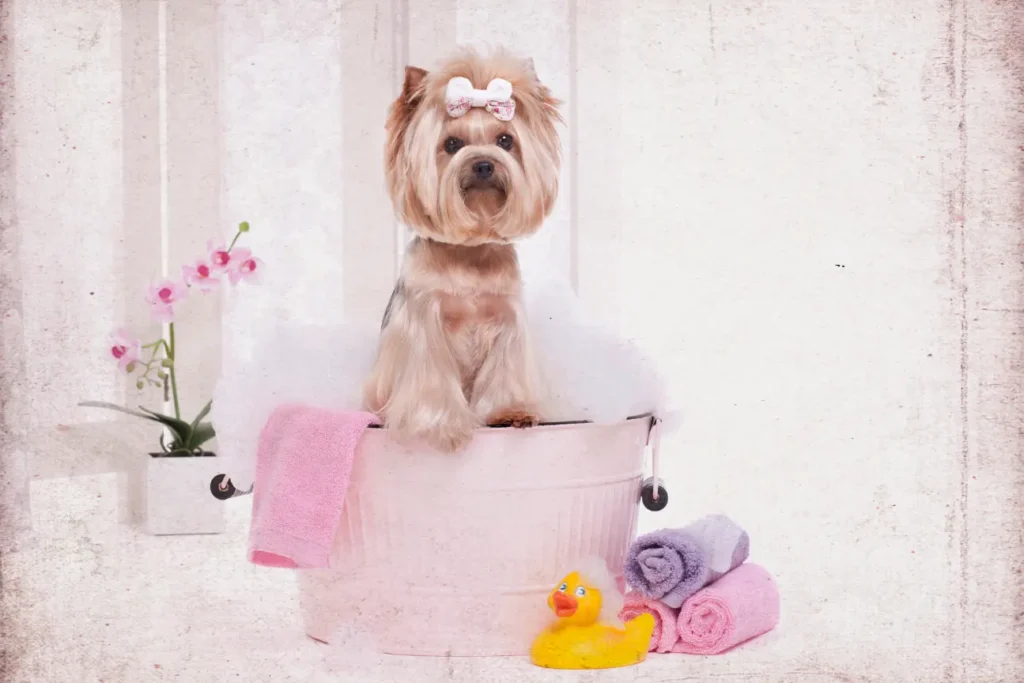
Grooming strategy shifts dramatically in winter across all species. Focus on maintaining natural protective barriers.
Dogs and Cats
Reduce Bath Frequency: Limit bathing to once a month for dogs and even less for cats. Use lukewarm water and moisturizing, pH-balanced shampoos. Dry completely before allowing outdoor access.
Brush Regularly: Daily brushing removes dead fur, prevents matting, and distributes natural oils. This keeps their insulation system functioning optimally.
Never Shave: Resist trimming coats short during winter. Fur is natural insulation. Even breeds requiring regular grooming should maintain longer coats in cold months.
Protect Exposed Areas: Apply pet-safe balm to paws and noses. Cats’ noses can also crack—a tiny amount of balm helps.
Nutrition and Hydration—Fueling the Internal Furnace
Cold weather affects nutritional needs across species.
Dogs and Cats
Energy Requirements: Active pets and those spending time outdoors may need slightly more calories. Indoor “couch potatoes” may need portion control to prevent winter weight gain.
Warm Hydration: Keep water bowls at room temperature. Cats are particularly prone to dehydration in winter. Consider adding water fountains—cats prefer running water and drink more from them.
Joint Support: Cold weather aggravates arthritis in older dogs and cats. Discuss supplements like glucosamine with your veterinarian.
Recognizing Cold-Related Health Emergencies
Despite our best efforts, health issues can arise across all pet species. Early recognition is critical.
Universal Warning Signs
Hypothermia (All Pets): Symptoms include uncontrollable shivering, weakness, lethargy, and pale gums or skin. This requires immediate veterinary attention.
Frostbite: Most commonly affects ears, paws, tails, and exposed skin. Look for pale or discolored areas that become red and painful as they warm.
Species-Specific Concerns
Dogs and Cats: Watch for respiratory issues like persistent coughing, runny nose, and decreased appetite. Arthritis flare-ups cause stiffness and reluctance to move.
Final Thoughts
You are more familiar with your pets than anybody. When something just does not seem right, be it your dog shivering, your cat hiding more than usual, your rabbit just sitting there, or your bird up-on-the-spot, your gut is right. In case of uncertainty, seek advice from your veterinarian.
A routine examination would give a sense of relief and identify possible issues at an early stage.
The winter with pets must be a time of snuggling, a time of tranquility, and a time of good bonding. When you are well prepared, have the right environment, and have a caring hand, your loving friends will not simply make it through winter; they will flourish.
It is necessary to remember that we are the whole world of our pets. They rely on us to read them, their needs, and give them the care they deserve, animal, plant, or whichever way they communicate it. Do make sure your heating is on, get those beds ready, have your water unfrozen and spend every minute of this lovely season together.
Keep warm, keep safe, and the pets receive all the love we can possibly give them because we know that being a pet parent is one of the best things in life, no matter what the season is or what animal belongs to us.

yespaws
Recent Posts
-
 Pet Grooming Is Love in Action: Why Every Brush, Bath, and Trim Matters February 27, 2026
 -
 Cat Boarding in Hyderabad: Everything You Need to Know February 17, 2026
 -
 Human Shampoo vs Pet Shampoo: The Silent Damage February 11, 2026
 -

-
 How Regular Grooming Improves Your Pet’s Behaviour & Mood February 6, 2026