Signs Your Pet Is Crying for Grooming (But You’re Missing Them)
Look, I get it. Life gets busy. Between work, family, and everything else on your plate, your dog’s haircut or your cat’s nail trim keeps getting pushed to “next week.” But here’s the thing your pet might be in real discomfort right now, and they’re trying their best to tell you. They just can’t use words.
I’ve seen too many pet owners feel terrible when they finally realize their furry friend has been uncomfortable for weeks, all because they didn’t recognize the signs. So let’s talk about what your pet is actually trying to tell you.
That Constant Scratching Isn’t Normal
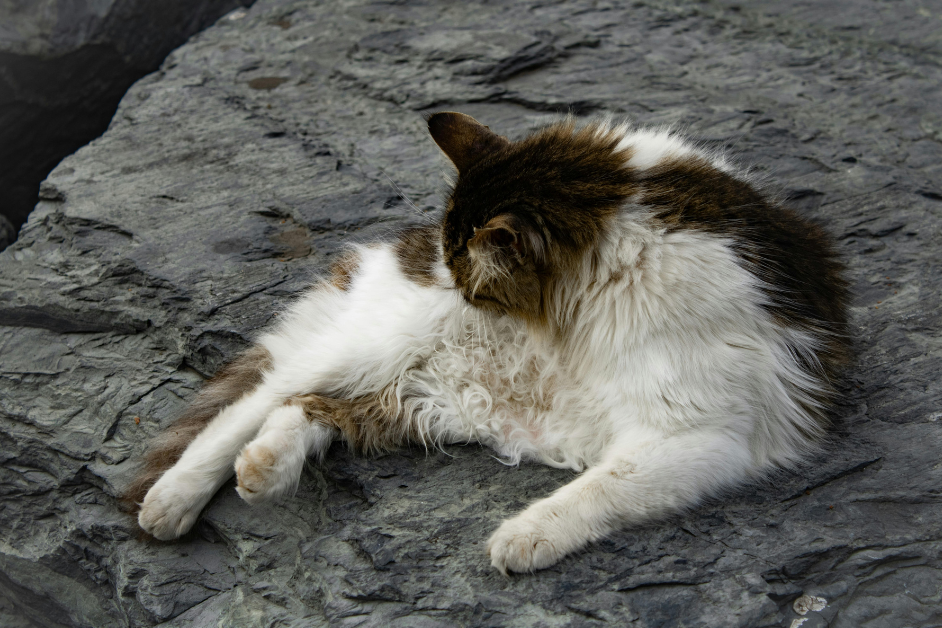
You know that thing your dog does where they scratch behind their ear for what feels like five minutes straight? Or how your cat keeps gnawing at the same spot on their leg? Yeah, that’s not just a quirky habit.
Sure, all pets scratch sometimes. But if your pet is going at it constantly scratching, biting, chewing—something’s bothering them. And more often than not, it’s grooming-related.
Matted fur literally pulls at their skin every time they move. Imagine having your hair in the tightest ponytail ever, all day, every day. That’s what mats feel like. Overgrown hair around their ears or paws is itchy and annoying. Plus, all that dead hair and dirt trapped in their coat? It’s making their skin crawl.
Watch where they’re scratching too. Behind the ears, the base of the tail, their belly, these are classic trouble spots that scream “I need a grooming session, like, yesterday.”
If you part their fur and see red, irritated skin underneath, your pet has been trying to tell you something for a while now.
They’re Walking Funny
Has your dog started walking like they’re tiptoeing? Is your cat suddenly not jumping up on the couch like they used to? Before you panic about arthritis or injuries, check their nails.
Seriously, overgrown nails are one of the most overlooked problems, and they make walking really uncomfortable. When nails get too long, your pet can’t walk normally—they have to adjust their whole gait to compensate. It’s like trying to walk in shoes that don’t fit.
Listen when they walk across your kitchen floor. If it sounds like they’re tap-dancing, their nails are way too long. That clicking noise is your pet basically saying “this hurts” with every step.
And mats? Especially on their legs or belly? Those restrict movement big time. Your pet might look like they’re stiff or sore, but really, they just can’t move freely because their fur is pulling and tugging with every step.
The Non-Stop Licking
Some pets are lickers—that’s just their personality. But excessive licking, especially of the same spot over and over? That’s a problem.
Check for wet patches in their fur. If you find areas that are constantly damp and maybe even stained a weird reddish-brown color, your pet is telling you exactly where it hurts.
Here’s what usually happens: something bothers them (a mat, irritated skin, whatever), so they lick it to feel better. But the licking makes it wet, which creates the perfect environment for infection, which makes it hurt more, so they lick more. It’s a nasty cycle.
Pay special attention to paw licking. Dogs who constantly lick their paws often have hair growing between their paw pads that’s trapping dirt, salt, ice, or debris. It’s incredibly annoying for them, like having a pebble stuck in your shoe that you can’t get out.
They’re Acting… Different
Your normally sweet dog snaps at you when you touch their back. Your friendly cat suddenly wants to hide all the time. Your playful puppy seems tired and grumpy.
We tend to think “oh, they’re just having a bad day” or “maybe they’re getting old.” But honestly? They might just hurt.
Matted fur is painful. Overgrown nails are painful. Skin infections hidden under dirty fur are painful. And when your pet hurts, their personality changes. They get cranky. They don’t want to play. They don’t want to be touched because touching hurts.
Think about it—if you had a constant headache or your clothes were always pinching you, you’d probably be pretty irritable too. Your pet can’t tell you what’s wrong, so they show you through behavior changes.
If your normally social, happy pet seems off, check their grooming situation before assuming it’s something else.
The Smell
Let’s just be real here. Your pet shouldn’t smell like a dumpster.
Yes, dogs and cats have natural odors. But if you can smell your pet from across the room, or if guests politely avoid petting them, there’s a problem. And bathing them might not fix it.
That funky smell often means there’s an infection brewing under matted or dirty fur. Yeast infections smell musty and kind of sweet. Bacterial infections smell sour and nasty. Both love warm, moist environments—exactly what matted, unwashed fur creates.
Ear infections have their own special brand of terrible smell. If your pet’s ears smell like anything other than, well, nothing, they need help.
And bad breath? That’s not just “dog breath” you need to tolerate. That’s bacteria building up in their mouth because their teeth aren’t being cared for. It’s not just gross—it’s dangerous to their health.
Here’s the test: if you give your pet a bath and they smell bad again within a couple of days, it’s not dirt. It’s a health issue that needs attention.
You Can See (or Feel) Mats
This should be obvious, but I’m including it because so many people think “oh, it’s just a little tangle, I’ll deal with it later.”
Don’t wait.
Those “little tangles” can become painful mats in days, not weeks. And they start at the skin and grow outward, so what looks small on the surface might be a painful mess underneath.
Run your fingers through your pet’s fur. If you can’t get through it easily, especially behind the ears, under the arms, or around their back legs, you’ve got a problem.
Cats are sneaky about this. They’re such good self-groomers that you might not notice mats hiding under the top layer of their fur. Older cats, overweight cats, or cats with dental issues can’t groom themselves properly, and they suffer in silence.
If you find mats, don’t try to cut them out with scissors yourself—you can accidentally cut your pet’s skin. Get professional help.
The Head Shaking Thing
Your dog shakes their head like they’re saying “no” really emphatically. Your cat keeps pawing at their ears. This isn’t cute or funny—they’re telling you their ears are bothering them.
Dogs with floppy ears or breeds that grow hair inside their ear canals need regular ear maintenance. Without it, wax builds up, hair traps moisture and dirt, and infections happen.
Those infections are painful. The itching drives them crazy. The head shaking can get violent enough to actually cause injury.
If your pet shakes their head after drinking water, regularly scratches their ears, or holds their head tilted to one side, look inside their ears. See redness? Smell something funky? See dark gunk? Yeah, that’s a grooming issue that’s turned into a health issue.
Don’t wait on ear problems. They get bad fast.
They Can’t See Where They’re Going
Your pet seems clumsier lately. They bump into things. They hesitate before jumping. They seem anxious or startled easily.
Before you assume they’re going blind or losing their mind, look at their face. Can they actually see through all that hair?
This is especially common in breeds like Shih Tzus, Old English Sheepdogs, or really any dog with hair that grows continuously. What looks adorable to us—that shaggy hair falling over their eyes—is actually blocking their vision.
Imagine trying to navigate your house while looking through a curtain of hair. It’s frustrating, scary, and genuinely affects their quality of life.
Plus, hair constantly poking them in the eyes causes irritation, discharge, and can even damage their corneas. Those watery eyes? Not allergies. Not old age. Just hair where it shouldn’t be.
A quick trim around the eyes solves this completely.
The Butt Scoot
Yeah, we need to talk about it. When your pet drags their rear end across your carpet, it’s not funny and it’s not worms (usually).
It’s often a grooming problem. Hair around their rear end can trap fecal matter, which is exactly as uncomfortable as it sounds. They’re scooting to try to clean themselves because they can’t reach it properly.
This is super common in long-haired breeds and pets with soft poops. A simple sanitary trim grooming the hair around their rear and privates—prevents this whole embarrassing situation. Scooting can also mean their anal glands are bothering them, which is often related to poor hygiene in the area. Bottom line (pun intended): if your pet is scooting, they’re uncomfortable and need help. Don’t laugh- act.
They’re Avoiding Things They Used to Love
Your dog used to love baths but now runs and hides. Your cat sees the brush and vanishes. Your pet won’t let you touch their paws anymore.
This isn’t them being stubborn or difficult. This is them telling you it hurts.
If grooming sessions have been irregular, mats have probably developed. Brushing over mats is painful—it pulls their skin. Standing in the tub on overgrown nails is uncomfortable. Water on irritated skin stings.
Instead of thinking “my pet is being bad,” recognize what they’re really saying: “this activity has become painful because I haven’t been groomed properly.”
Start fresh with gentle, regular grooming sessions. You might need to rebuild their trust.
Their Coat Looks… Off
A healthy coat has a natural shine and feels smooth when you pet them. If your pet’s fur looks dull, greasy, or feels rough and weird to the touch, they need more regular grooming.
Excessive shedding beyond the normal seasonal stuff can mean stress, nutritional problems, or skin conditions—all things you’d catch during regular grooming.
Bare patches or thin areas? Your pet might be over-grooming because something’s irritating them, or they might have skin problems hiding under their fur. Your pet’s coat is like their personal billboard. It advertises how well they’re being cared for.
They’re Avoiding Things They Used to Love
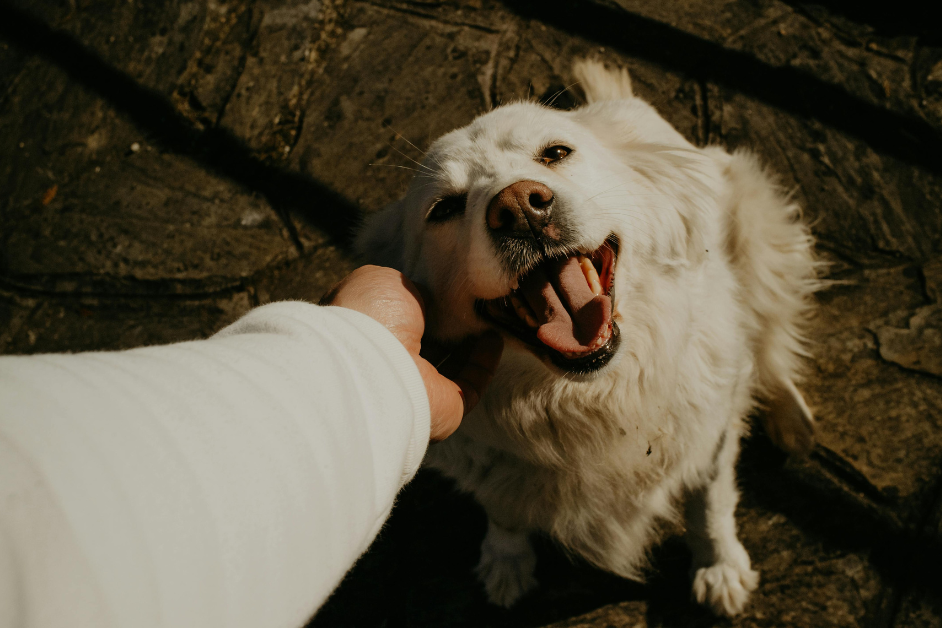
Your dog used to love baths but now runs and hides. Your cat sees the brush and vanishes. Your pet won’t let you touch their paws anymore.
This isn’t them being stubborn or difficult. This is them telling you it hurts. If grooming sessions have been irregular, mats have probably developed. Brushing over mats is painful—it pulls their skin. Standing in the tub on overgrown nails is uncomfortable. Water on irritated skin stings.
Instead of thinking “my pet is being bad,” recognize what they’re really saying: “this activity has become painful because I haven’t been groomed properly.” Start fresh with gentle, regular grooming sessions. You might need to rebuild their trust.
Their Coat Looks… Off
A healthy coat has a natural shine and feels smooth when you pet them. If your pet’s fur looks dull, greasy, or feels rough and weird to the touch, they need more regular grooming. Excessive shedding beyond the normal seasonal stuff can mean stress, nutritional problems, or skin conditions—all things you’d catch during regular grooming.
Bare patches or thin areas? Your pet might be over-grooming because something’s irritating them, or they might have skin problems hiding under their fur. Your pet’s coat is like their personal billboard. It advertises how well they’re being cared for.
What to Do About It
If you’re reading this and thinking “oh no, my pet has like half these signs,” don’t beat yourself up. You’re recognizing it now, and that’s what matters.
Here’s what to do: Schedule a professional grooming appointment as soon as possible. Be honest with the groomer about how long it’s been—they’re not there to judge you, they’re there to help your pet feel better. If money’s tight, learn to do basic grooming at home. Brushing, nail trimming, and ear cleaning don’t require expensive equipment, just time and patience.
Set reminders on your phone for regular grooming tasks. Make it as routine as feeding them or taking them for walks. Your pet depends entirely on you. They can’t book their own grooming appointments or tell you in words when they’re uncomfortable. They can only show you through behavior, and now you know what to look for.
That scratching, licking, limping, stinky, scooting, head-shaking pet of yours isn’t being weird or difficult. They’re begging for help in the only way they know how.
So help them. They’ll thank you by being happier, healthier, and way more comfortable. And honestly? You’ll feel better too, knowing your furry friend isn’t suffering in silence anymore.

yespaws
Recent Posts
-
 How to Manage Pets in Small Apartments September 12, 2026
 -
 Indoor Games to Keep Pets Active September 11, 2026
 -
 How Much Exercise Does Your Dog Really Need September 10, 2026
 -
 First-Time Cat Owner? Here’s How to Groom Your Cat Safely September 9, 2026
 -
 Safety Tips for Night Walks with Dogs September 8, 2026