Best Diet Plan for Overweight Dogs
Obesity has become one of the most common health problems in pet dogs today, especially among indoor pets with low activity levels and unrestricted feeding habits. Many owners do not initially recognise when their dog becomes overweight because weight gain often happens gradually over months or even years. What begins as a slightly fuller appearance may slowly develop into excess fat accumulation that places continuous strain on the joints, heart, metabolism, digestion, and overall physical health. This is why creating the right diet plan for overweight dogs becomes extremely important for protecting long-term well-being and quality of life.

One of the biggest misconceptions owners have is that weight management is only about feeding less food. In reality, healthy weight loss depends on much more than simply reducing meal size aggressively. Dogs still require balanced nutrition, proper protein intake, stable metabolism, muscle maintenance, and adequate energy support while losing excess body fat safely. Crash dieting or extreme calorie restriction may sometimes create weakness, nutritional imbalance, muscle loss, or behavioural stress rather than improving health properly.
Another important thing many owners overlook is that obesity rarely develops from one single cause alone. Overfeeding, excessive treats, low exercise levels, table scraps, emotional feeding habits, poor portion awareness, and calorie-dense diets often combine gradually over time. Some dogs are also naturally more prone to gaining weight because of breed tendencies, slower metabolism, age-related activity reduction, or hormonal changes after neutering. The good news is that most overweight dogs can successfully return to a healthier body condition with proper nutrition, consistent portion control, balanced exercise, and long-term routine changes. Even moderate weight reduction often improves mobility, breathing comfort, energy levels, and overall quality of life significantly.
Why Weight Gain Happens in Dogs
Weight gain develops when calorie intake consistently becomes higher than the amount of energy the body burns daily. However, obesity is usually much more gradual and complex than many owners realize. Most overweight dogs do not suddenly become obese overnight. Instead, excess weight slowly accumulates through repeated small habits that seem harmless individually but create imbalance over time. Many overweight dogs continue appearing happy and enthusiastic about food, which makes obesity easy to overlook during the early stages. Unfortunately, excess body fat places continuous stress on nearly every major body system over time, including the joints, heart, lungs, digestion, and metabolism.

Overfeeding Often Happens Gradually
One of the most common reasons dogs become overweight is gradual overfeeding that develops through routine daily habits. Owners may slowly increase meal portions over time, offer treats more frequently, share leftover food from the table, or provide multiple small snacks throughout the day without realising how quickly calories accumulate.
Because dogs often continue asking for food even after meeting their nutritional needs, many owners mistake excitement for eating as actual hunger. In reality, many dogs are naturally highly food-motivated and will continue eating whenever food is available. This gradual calorie excess may eventually lead to noticeable fat accumulation even when owners genuinely believe they are feeding normal amounts.
Indoor Lifestyles Reduce Physical Activity
Modern pet lifestyles have changed significantly compared to earlier generations of dogs that spent more time outdoors or performing physical tasks regularly. Many dogs today live primarily indoors with limited exercise and lower daily calorie expenditure.
Short walks and brief play sessions may not burn as much energy as owners expect, especially in breeds naturally prone to weight gain. As dogs age, activity levels often decline further because older pets tend to sleep more, move less, and exercise with lower intensity. When calorie intake remains high while activity levels decrease, excess energy is gradually stored as body fat over time.
Some Dogs Gain Weight More Easily Than Others
Not all dogs respond to food and metabolism in the same way. Certain breeds, such as Labradors, Beagles, Golden Retrievers, Pugs, and Cocker Spaniels, are naturally more prone to obesity because they tend to be highly food-motivated and may burn calories less efficiently. Hormonal factors may also influence weight gain. Some dogs experience slower metabolism after neutering, while certain medical conditions, such as hypothyroidism, may contribute to unexpected obesity despite seemingly normal feeding habits. This is why long-term weight management should always consider the individual dog’s metabolism, breed tendencies, age, activity level, and overall health rather than assuming every dog responds identically to food intake.
What a Healthy Diet Plan for Overweight Dogs Should Focus On
The goal of weight management is not simply to reduce body size quickly. A healthy diet plan for overweight dogs should support gradual fat loss while protecting muscle condition, metabolism, digestion, energy levels, and overall physical health. Healthy weight reduction should always be steady and sustainable rather than aggressive or extreme.
Calorie Control Must Remain Balanced
Reducing calories is important for weight loss, but excessive restriction may create problems rather than improve health safely. Dogs still require adequate nutrition to maintain muscle tissue, immune function, organ health, metabolism, and daily energy balance. When calorie intake becomes too low, the body may begin losing muscle mass along with fat. This weakens physical strength and may negatively affect long-term metabolic stability because muscle tissue plays an important role in calorie burning and body function overall. The safest approach is controlled calorie reduction that allows gradual fat loss while preserving a healthy body condition.
Protein Is Extremely Important During Weight Loss
Many owners unintentionally reduce food quantity so aggressively that protein intake becomes insufficient. However, protein remains one of the most important nutrients during weight management because it helps preserve lean muscle while the body burns excess fat. Dogs receiving balanced protein intake often maintain better strength, metabolism, and satiety during the weight-loss process. Protein also helps dogs feel fuller for longer periods, which may reduce excessive hunger behaviours and food obsession. A properly balanced diet plan for overweight dogs should therefore focus not only on reducing calories but also on maintaining high-quality nutrition that supports healthy tissue maintenance.
Fibre Can Help Improve Satiety
Moderate fibre intake may help overweight dogs feel more satisfied between meals because fibre slows digestion slightly and increases meal volume without dramatically increasing calories. This may help reduce constant hunger behaviours in dogs that continuously seek food throughout the day. However, balance remains important because excessively high fibre may sometimes affect digestibility or nutrient absorption if not formulated properly. The goal should always remain nutritional balance rather than simply making the dog feel full temporarily.
Portion Control Is One of the Most Important Factors
Even high-quality food may contribute to obesity when portion sizes remain excessive. Many owners unintentionally underestimate how calorie-dense certain foods actually are, especially when feeding by visual estimation rather than proper measurement. Portion awareness, therefore, becomes one of the most important parts of any successful diet plan for overweight dogs.
Measuring Food Properly Matters
Guessing portion sizes often leads to accidental overfeeding because even small measurement errors accumulate significantly over time. Many owners unknowingly feed much larger portions than necessary simply by filling bowls according to appearance rather than actual calorie requirements. Another important detail is that feeding recommendations printed on food packaging are usually generalised estimates rather than precise instructions for every dog. Individual calorie needs vary depending on age, activity level, metabolism, body condition, and overall health. Using consistent measuring methods helps create more accurate portion control and prevents unintentional calorie excess.
Treats and Snacks Add Hidden Calories
Many owners focus heavily on reducing meal size while overlooking how many calories treats and snacks contribute throughout the day. Small biscuits, table scraps, cheese, bread, leftover food, and training treats may seem insignificant individually, but combined, they often contribute substantial hidden calories. In some dogs, treats alone may provide enough excess energy to completely prevent healthy weight loss despite reduced meal portions. Successful weight management, therefore, requires evaluating the dog’s entire daily calorie intake rather than focusing only on regular meals.
Free Feeding Often Encourages Overeating
Dogs with constant unrestricted access to food may gradually overeat simply because food remains available throughout the day. Free feeding makes portion control much more difficult, especially in highly food-motivated breeds. Scheduled feeding routines usually create better structure and help owners monitor appetite and intake more accurately. Controlled feeding schedules also help reduce mindless grazing habits that may contribute to long-term weight gain. Consistency becomes extremely important when managing obesity because even small repeated overfeeding patterns may slow progress significantly.
Exercise Should Support the Diet Plan
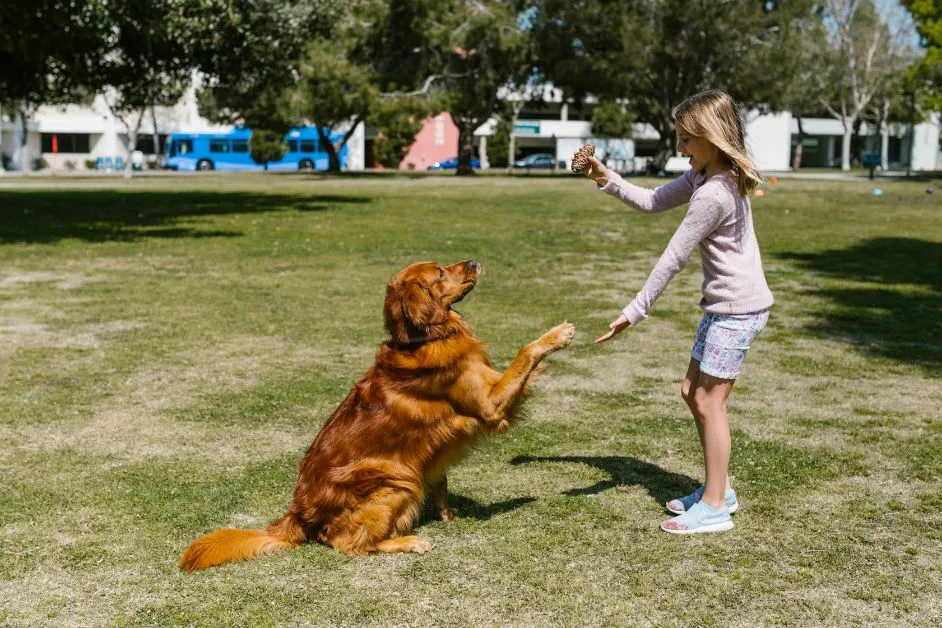
Nutrition plays a major role in weight management, but movement and physical activity are equally important for improving long-term health. Exercise helps burn calories while also supporting muscle maintenance, joint mobility, cardiovascular function, metabolism, and mental well-being. However, overweight dogs should not suddenly begin intense exercise routines aggressively because excess body weight already places additional strain on joints and connective tissues.
Gradual Exercise Is Much Safer
Dogs carrying excess weight may be more vulnerable to injury, fatigue, or joint discomfort during intense activity. Sudden high-impact exercise may create unnecessary physical stress, especially in senior dogs or breeds already prone to orthopaedic problems. Gradual increases in movement are usually much safer and more sustainable. Regular walks, controlled play, moderate daily activity, and consistent low-impact exercise often support healthy weight reduction effectively without overwhelming the body. Consistency matters much more than extreme intensity during early weight management.
Mental Stimulation Can Reduce Food Obsession
Some dogs seek food constantly because of boredom rather than true physical hunger. Increasing mental stimulation through training, puzzle toys, enrichment activities, and interactive play may help reduce excessive food-seeking behaviour. Mentally engaged dogs are often less focused on continuous eating because their attention and energy become directed toward stimulation and activity instead. Emotional well-being, therefore, also plays an important role in healthy long-term weight management.
Signs Your Dog Is Losing Weight Safely
Healthy weight loss should happen gradually rather than dramatically because rapid weight reduction may sometimes indicate excessive calorie restriction or underlying medical problems. The goal of a proper diet plan for overweight dogs is not simply reducing body size quickly, but improving overall body condition while protecting muscle health, energy levels, metabolism, and long-term physical stability.
Body Condition Improves Gradually
Dogs losing weight safely often begin showing subtle but healthy physical improvements over time. The body gradually develops better definition around the waist, movement becomes more comfortable, breathing may appear less strained during activity, and overall stamina often improves steadily. Many owners also notice their dogs becoming more playful, energetic, and physically comfortable as excess weight decreases. These changes usually develop slowly over several weeks or months rather than appearing immediately. Sustainable progress is generally much healthier than rapid dramatic transformation because the body requires time to adjust safely to lower fat levels while maintaining muscle condition.
Energy Levels Should Remain Stable
Healthy weight management should improve physical comfort without causing weakness, exhaustion, or noticeable muscle loss. Dogs following a balanced diet plan should continue appearing alert, emotionally comfortable, and reasonably active throughout the weight-loss process. If a dog becomes severely lethargic, weak, unusually tired, or visibly loses muscle condition, the nutritional balance may need reevaluation. Weight reduction should support overall health and mobility rather than placing excessive stress on the body through overly aggressive calorie restriction.
Movement and Mobility Often Improve
As excess body fat gradually decreases, many overweight dogs begin moving more comfortably because less pressure is placed on the joints and connective tissues. Dogs that previously became tired quickly during walks may slowly regain stamina and confidence during physical activity. Some owners also notice improvements in posture, breathing comfort, willingness to exercise, and overall enthusiasm for movement. Even moderate weight reduction may significantly improve quality of life because the body experiences less continuous strain during everyday activity. The healthiest weight-loss progress is usually steady, comfortable, and sustainable rather than extreme or rushed.
Final Thoughts
Managing obesity in dogs is not about making your pet eat as little as possible or chasing rapid weight-loss results. Healthy weight management is a gradual process that focuses on restoring balance inside the body while protecting muscle condition, metabolism, digestion, energy levels, and long-term physical health. The goal should never be extreme restriction, because sustainable progress is always safer and more effective than aggressive dieting.
A properly balanced diet plan for overweight dogs helps reduce excess body fat while still providing the nutrients necessary for strength, recovery, immune support, and overall well-being. Portion control, consistent routines, balanced protein intake, healthy activity, and long-term feeding awareness all work together to create safer and healthier results over time.
Another important thing owners should understand is that even moderate weight reduction can significantly improve a dog’s quality of life. Dogs often begin moving more comfortably, breathing more easily, sleeping better, and showing improved energy levels once excess weight gradually decreases. Small improvements in body condition may also help reduce long-term strain on joints, heart health, and overall mobility.
At the same time, patience is extremely important. Healthy weight loss should happen slowly and consistently rather than through sudden, drastic changes. The healthiest transformation is one that the body can maintain comfortably for the long term because, in the end, the best diet plan for overweight dogs is not simply about reducing numbers on a scale, it is about helping your dog live a healthier, more active, more comfortable, and better-supported life overall.

yespaws
Recent Posts
-
 How to Manage Pets in Small Apartments September 12, 2026
 -
 Indoor Games to Keep Pets Active September 11, 2026
 -
 How Much Exercise Does Your Dog Really Need September 10, 2026
 -
 First-Time Cat Owner? Here’s How to Groom Your Cat Safely September 9, 2026
 -
 Safety Tips for Night Walks with Dogs September 8, 2026