Human Shampoo vs Pet Shampoo: The Silent Damage
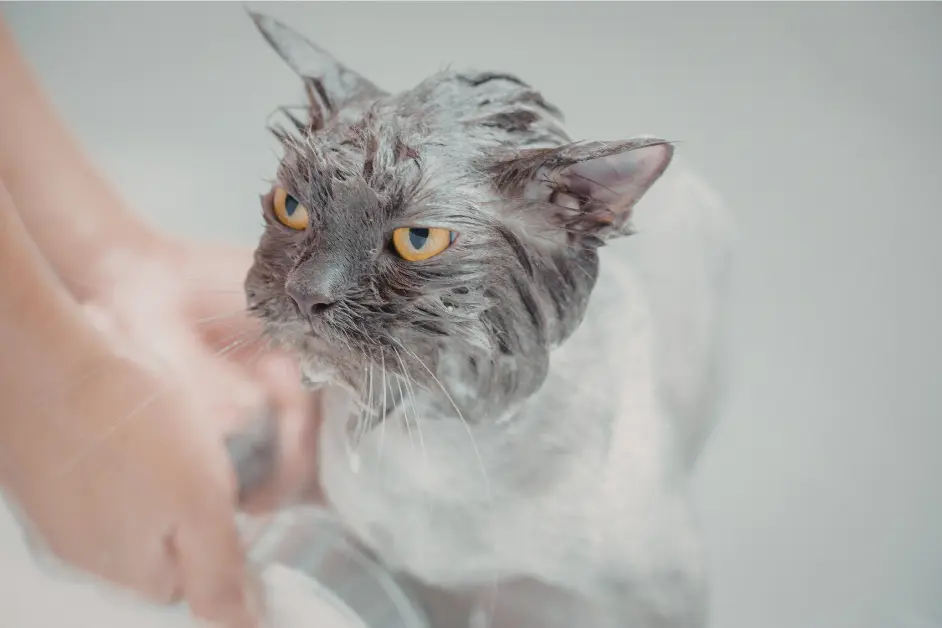
The bathroom shelf holds a tempting shortcut for pet owners everywhere. Your dog needs a bath, you’re out of pet shampoo, and there sits your own bottle of moisturising shampoo with its pleasant lavender scent. What harm could one wash do? This seemingly innocent decision, repeated by countless pet owners, represents a fundamental misunderstanding of the biological differences between human and animal skin—a mistake that can lead to chronic health issues for beloved pets.
The pH Factor: A Critical Divide
The most significant difference between human and pet shampoo lies in something invisible to the naked eye: pH levels. The pH scale measures acidity and alkalinity, ranging from 0 (most acidic) to 14 (most alkaline), with 7 being neutral. This numerical difference might seem trivial, but it represents a chasm in formulation needs.
Human skin maintains a pH level between 5.2 and 6.2, sitting comfortably on the acidic side of the spectrum. This acidity serves as our skin’s first line of defense, creating an inhospitable environment for harmful bacteria and fungi while supporting beneficial microorganisms. Human shampoos are formulated to match this pH range, typically falling between 5.5 and 7.
Dogs and cats, however, exist in an entirely different pH universe. Canine skin registers between 6.2 and 7.4 on the pH scale, leaning toward neutral or slightly alkaline. Feline skin runs even more alkaline, typically measuring between 6.0 and 8.0. Pet shampoos are specifically formulated to respect these pH levels, usually ranging from 6.5 to 7.5.
When you wash a dog with human shampoo, you’re essentially dousing their skin with a solution that’s too acidic for their biology. This pH mismatch doesn’t cause immediate, visible harm—which makes it particularly insidious. Instead, it initiates a cascade of problems that develop gradually over time.
The Acid Mantle: Nature’s Protective Shield
Both humans and animals possess what dermatologists call the acid mantle a thin, protective film covering the skin’s surface. This barrier is composed of sebum (natural oils), sweat, and beneficial bacteria. It serves multiple critical functions: preventing water loss, blocking pathogen entry, and maintaining skin elasticity.
The acid mantle in dogs and cats is significantly thinner and more delicate than in humans. Some estimates suggest it’s only about one-third the thickness of human skin’s protective layer. This evolutionary difference makes sense when you consider that animals evolved with fur coats providing additional protection, while humans developed more robust skin as we lost most of our body hair.
Human shampoo, with its lower pH and stronger detergents designed to cut through heavier sebum production, strips away this delicate acid mantle much more aggressively than pet-formulated products. Once compromised, the acid mantle can take anywhere from several hours to several days to fully regenerate. During this vulnerable window, the skin remains exposed to potential invaders and environmental stressors.
The Silent Progression of Damage
The damage from using human shampoo on pets doesn’t announce itself with dramatic symptoms. Instead, it accumulates quietly, often mistaken for other conditions or simply accepted as normal for that particular animal.
The first sign is usually increased scratching or licking, which owners often attribute to allergies or behavioral issues. The skin, stripped of its natural protection, becomes dry and itchy. The animal attempts to soothe this discomfort through scratching, which further damages the compromised skin barrier, creating a vicious cycle.
As the protective barrier weakens with repeated washing using inappropriate products, the skin becomes increasingly vulnerable to bacterial and fungal infections. What starts as mild irritation can progress to hot spots painful, inflamed areas of skin that become infected and require veterinary intervention. Yeast infections, particularly in the ears and paw pads, become more common as the skin’s natural defenses fail.
The coat itself tells a story of chronic pH imbalance. Hair shafts become brittle and prone to breakage. The natural oils that give a healthy coat its shine and water-resistance are stripped away, leaving fur dull, dry, and prone to matting. In some cases, pets experience increased shedding as damaged hair follicles release hairs prematurely.
Beyond pH: Ingredient Dangers
The pH mismatch represents just one aspect of the problem. Human shampoos contain numerous ingredients that, while safe for human use, pose risks to animals who groom themselves extensively with their tongues.
Fragrances added to human shampoos can be overwhelming to pets’ sensitive noses. Dogs possess up to 300 million olfactory receptors compared to humans’ six million. A pleasant lavender scent to us might be an unbearable assault to a dog’s senses, potentially causing stress and avoidance behaviors.
Many human shampoos contain ingredients like sodium lauryl sulfate or sodium laureth sulfate—powerful surfactants that create luxurious lather and effectively remove oils. While these work well for human hair and scalp, they’re far too harsh for the thinner, more delicate skin of dogs and cats. These aggressive cleansers can cause contact dermatitis, leaving skin red, inflamed, and painful.
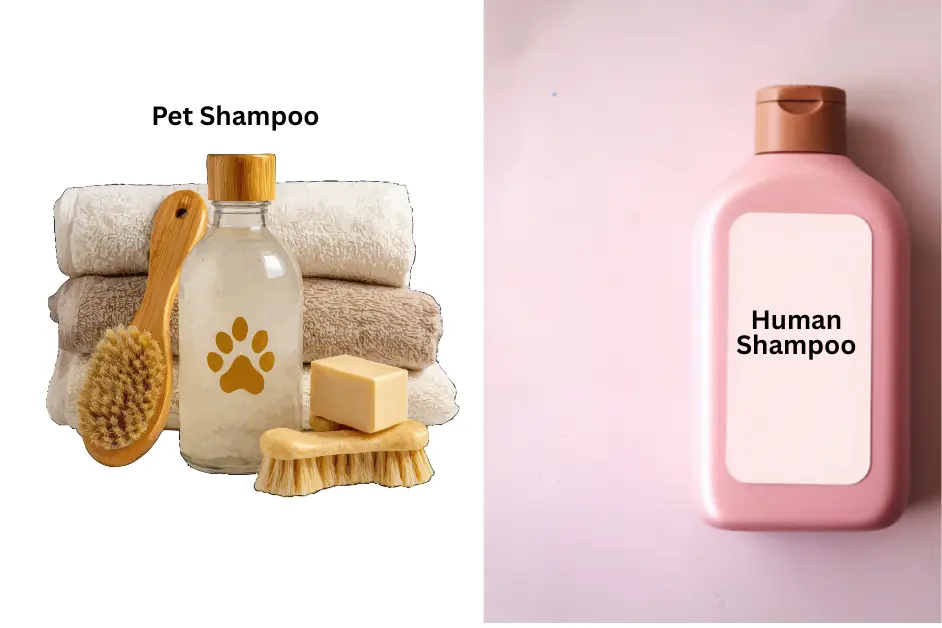
Conditioning agents and moisturizers in human products are formulated for human hair structure and human skin absorption rates. When applied to pets, these ingredients may not rinse out completely from their different fur structure, leaving residue that attracts dirt and can cause skin irritation. Worse, when pets groom themselves, they ingest these chemicals, potentially leading to gastrointestinal upset.
Some human shampoos contain ingredients that are directly toxic to pets. Tea tree oil, while popular in human products for its antimicrobial properties, can be toxic to both cats and dogs, causing weakness, tremors, and liver damage. Zinc pyrithione, common in anti-dandruff shampoos, can cause severe reactions in pets. Even small amounts ingested during grooming can lead to serious health issues.
The Breed-Specific Consideration
Not all pets react equally to inappropriate shampoo use. Certain breeds face elevated risks due to their specific skin and coat characteristics.
Dogs with short coats and minimal undercoat, such as Boxers, Pit Bulls, and Greyhounds, have less fur protection and more direct skin exposure. Using human shampoo on these breeds often results in faster onset of skin problems.
Breeds prone to skin conditions—including Bulldogs, Shar-Peis, West Highland White Terriers, and many others—exist in a perpetual state of skin sensitivity. Using human shampoo on these already vulnerable animals is particularly damaging, often triggering severe flare-ups of chronic conditions.
Cats present a special case. Their grooming behavior is even more fastidious than dogs’, meaning they ingest more residue from any bathing products. Additionally, cats lack certain liver enzymes that help metabolize various chemicals, making them more susceptible to toxicity from ingredients that might be relatively harmless to dogs or humans.
The Economic False Economy
Pet owners sometimes turn to human shampoo thinking they’re saving money. This calculation fails to account for the downstream costs of the practice.
A bottle of quality pet shampoo typically costs between $10 and $25 and lasts months for most pet owners. When compared to the cost of treating skin infections, hot spots, or chronic dermatological issues—which can easily run into hundreds or thousands of dollars the savings evaporate. Veterinary visits for skin problems often require multiple appointments, prescription medications, medicated shampoos, and sometimes even specialty referrals to veterinary dermatologists.
Beyond financial costs, there’s the toll on quality of life. A pet suffering from chronic itching, skin infections, or coat problems experiences genuine discomfort. The scratching, hair loss, and skin damage affect their wellbeing and can lead to behavioral changes, including increased anxiety, aggression, or depression.
What Makes Pet Shampoo Different
Understanding why pet shampoos cost what they do helps justify their use. These products are specifically formulated with pets’ unique biology in mind.
Pet shampoos maintain the appropriate pH balance for animal skin, typically between 6.5 and 7.5. This seemingly small adjustment makes an enormous difference in preserving the acid mantle and skin barrier function.
The surfactants used in pet shampoos are gentler and specifically selected to be safe for animals who will inevitably ingest some residue during grooming. The concentrations are carefully calibrated to clean effectively without stripping away necessary protective oils.
Quality pet shampoos avoid ingredients known to be problematic for animals. They typically use hypoallergenic fragrances at much lower concentrations or skip fragrances entirely. They exclude common human shampoo ingredients that could be toxic when ingested.
Many pet shampoos include ingredients specifically beneficial for animal skin and coat health: oatmeal for soothing irritation, aloe vera for moisturizing, omega fatty acids for coat health, and specific treatments for common pet skin conditions.
The Baby Shampoo Myth
Many pet owners believe baby shampoo offers a safe compromise it’s gentle, tear-free, and designed for sensitive skin. Unfortunately, this logic doesn’t hold up under scrutiny.
While baby shampoo is indeed milder than adult formulations, it’s still formulated for human pH levels. The tear-free formula means it won’t sting eyes, but it doesn’t address the fundamental pH mismatch between human and animal skin. Using baby shampoo on pets represents an improvement over regular human shampoo, but it’s still not optimal and can cause the same long-term issues, just potentially at a slower rate.
When Emergency Substitutions Are Necessary
Life happens, and there may be emergency situations where you absolutely must bathe your pet but lack appropriate shampoo. In these rare instances, certain approaches minimize harm.
If you must use human shampoo once in a true emergency, choose the mildest option available an unscented, clear baby shampoo or a very gentle, sulfate-free human shampoo. Dilute it significantly with water before applying. Rinse extremely thoroughly to remove all traces of product. Follow up by obtaining proper pet shampoo as soon as possible and don’t repeat the substitution.
Better yet, if you know you’re running low on pet shampoo, plain water does an adequate job for light cleaning in a pinch. For muddy paws or minor dirt, water alone removes most debris without the risks associated with inappropriate products.
The Professional Perspective
Professional groomers and veterinary dermatologists universally advocate for species-appropriate bathing products. They regularly treat the consequences of well-intentioned but misguided product choices.
Veterinarians report that many chronic skin conditions in pets improve dramatically simply by switching to appropriate bathing products and proper bathing frequency. Some animals who have suffered for years with mysterious itching, dull coats, or recurrent infections experience complete resolution when owners stop using human products.
Professional groomers note that pets regularly bathed with appropriate products have healthier coats that are easier to groom, shed less problematically, and maintain better skin health overall. The difference between a dog bathed consistently with quality pet shampoo and one exposed to human products is evident to trained eyes.
Conclusion: Respect the Difference
The difference between human and pet shampoo isn’t marketing hype or an attempt to extract extra money from pet owners. It reflects genuine, significant biological differences between species. Human skin and animal skin evolved under different selective pressures, resulting in different pH levels, different barrier thicknesses, and different needs.
The silent damage caused by using human shampoo on pets accumulates over time, often going unrecognized until it manifests as chronic skin problems, recurrent infections, or coat quality issues. What seems like a harmless convenience or money-saving measure actually represents a false economy that can cost significantly more in veterinary bills and reduced quality of life for your pet.
The relatively small investment in species-appropriate grooming products pays dividends in your pet’s skin health, coat quality, and overall comfort. When you reach for that bottle of shampoo, remember that the biology matters—and your pet deserves products formulated for their specific needs, not adapted from human formulations that, no matter how gentle, simply weren’t designed with their physiology in mind.
Your dog or cat depends on you to make informed choices about their care. Using the right shampoo is one of the simplest ways to honor that responsibility and protect their health for the long term.
yespaws
Recent Posts
-
 How to Manage Pets in Small Apartments September 12, 2026
 -
 Indoor Games to Keep Pets Active September 11, 2026
 -
 How Much Exercise Does Your Dog Really Need September 10, 2026
 -
 First-Time Cat Owner? Here’s How to Groom Your Cat Safely September 9, 2026
 -
 Safety Tips for Night Walks with Dogs September 8, 2026