Common Eye Problems in Dogs and How to Treat Them
Eye problems in dogs are more common than many pet owners realise, yet they are often ignored in the early stages because the symptoms initially appear minor. Slight redness, watery eyes, excessive blinking, or occasional rubbing may not seem serious at first, but the eyes are extremely sensitive organs where even small issues can quickly progress into painful conditions if left untreated. What makes eye problems particularly concerning is that dogs cannot communicate visual discomfort clearly, which means changes in behaviour, eye appearance, or movement often become the only signs that something is wrong internally.
Understanding common eye problems in dogs is important not only for identifying visible symptoms, but also for recognising how eye health connects to overall wellbeing. The eyes are closely linked to nerves, immune response, tear production, and even systemic health conditions, which means eye-related symptoms sometimes reflect deeper internal issues rather than isolated irritation. Early awareness and timely treatment play a major role in preventing discomfort, vision loss, and long-term complications.
Why Eye Problems in Dogs Should Never Be Ignored
Eye problems in dogs often progress faster than owners expect because the eye is a delicate and highly exposed organ. What begins as mild irritation can quickly develop into infection, inflammation, or vision impairment if treatment is delayed.
The Eyes Are Extremely Sensitive
A dog’s eyes constantly interact with the external environment, which makes them vulnerable to dust, injury, allergens, bacteria, and irritation. Because the eye contains delicate tissues and nerves, even minor inflammation can cause significant discomfort internally. This sensitivity means that conditions can worsen rapidly if left untreated. Many owners assume mild redness or watering will resolve naturally, but the problem is that eye issues rarely remain stable for long. Once irritation disrupts the eye’s protective balance, inflammation and infection can escalate quickly. This is why even small symptoms deserve attention rather than observation alone.
Dogs Often Hide Eye Discomfort
Dogs naturally try to continue functioning normally even when experiencing pain or irritation, which makes eye problems difficult to identify early. A dog may still eat, play, and behave relatively normally while silently dealing with discomfort, blurred vision, or pressure inside the eye. What owners often miss is that subtle behavioural changes, such as avoiding bright light, rubbing the face, blinking excessively, or becoming less active, may actually reflect eye pain rather than general discomfort. Because these signs are indirect, eye conditions are frequently recognised later than they should be.
Delayed Treatment Can Affect Vision
One of the biggest dangers of untreated eye conditions is that some problems can permanently damage vision if intervention is delayed. Infections, pressure buildup, ulcers, or chronic inflammation can affect sensitive eye structures very quickly. The longer the issue continues untreated, the greater the risk of scarring, nerve damage, or irreversible vision loss. This is why eye health should never be approached casually—early treatment often determines whether the condition remains manageable or becomes permanently damaging.
Conjunctivitis (Pink Eye)
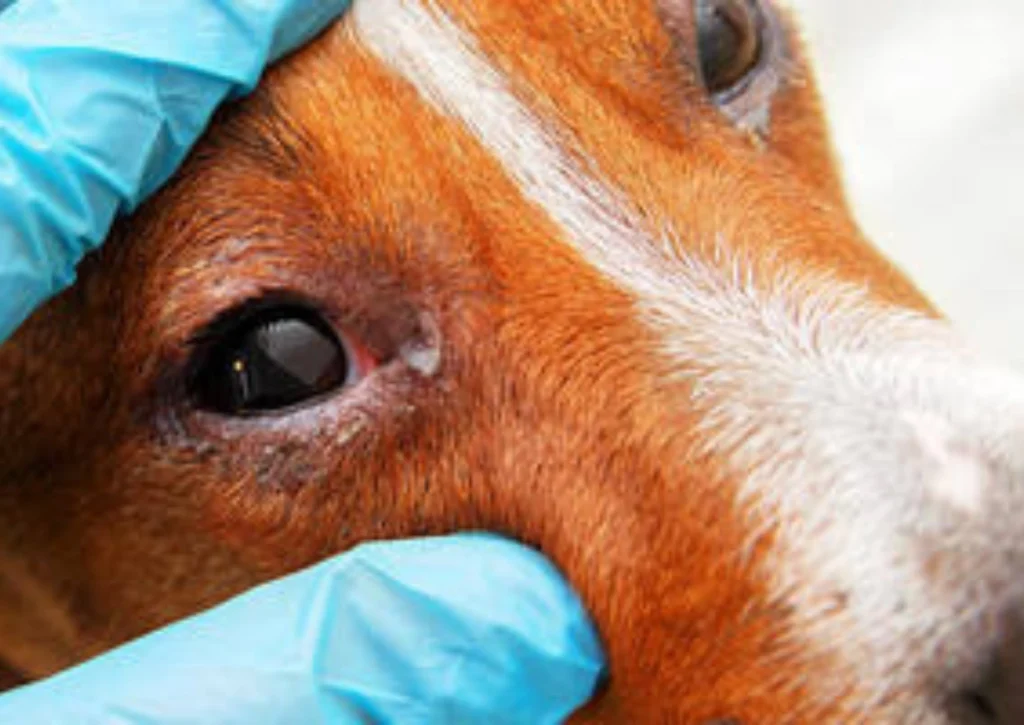
Conjunctivitis is one of the most common eye problems in dogs and involves inflammation of the conjunctiva, the thin tissue lining the eye and inner eyelids.
Causes of Conjunctivitis
Conjunctivitis can develop due to allergies, bacterial or viral infections, irritants such as dust or smoke, or even underlying immune-related conditions. Because the eye reacts strongly to irritation, inflammation often develops quickly once the protective surface becomes disturbed. The challenge is that conjunctivitis itself is usually a symptom rather than the root cause. Treating only the redness without identifying the trigger may provide temporary relief while allowing the underlying issue to continue worsening internally.
Common Symptoms
Dogs with conjunctivitis often show redness, swelling, watery discharge, squinting, or excessive blinking. Some dogs may also rub their eyes against furniture or paws due to irritation and itching. What makes these symptoms easy to overlook is that they may initially appear mild or intermittent. However, persistent redness or discharge indicates that inflammation is continuing rather than resolving naturally, which means treatment becomes necessary before complications develop.
Treatment and Management
Treatment depends on the underlying cause and may involve antibiotic drops, anti-inflammatory medication, allergy management, or cleaning the eye area gently to remove discharge. Proper diagnosis is important because incorrect treatment may worsen the condition. At the same time, owners should avoid using human eye medications without veterinary guidance, as some products can irritate the eye further or damage sensitive tissues. Effective treatment requires both symptom relief and correction of the underlying trigger.
Dry Eye (Keratoconjunctivitis Sicca)
Dry eye is one of the most uncomfortable and chronic eye problems in dogs, yet it is frequently misunderstood in the early stages because many owners assume the symptoms are caused by simple irritation or mild infection. In reality, dry eye develops when the tear glands fail to produce enough tears to properly protect and lubricate the surface of the eye. This may sound minor initially, but tears are not just moisture; they are an essential protective system that keeps the eye healthy, stable, and resistant to damage.
Why Tear Production Matters
Most people think tears only keep the eyes wet, but tear production is actually a complex protective mechanism that supports almost every aspect of eye health. Tears help remove dust, debris, bacteria, and irritants from the eye surface while also delivering oxygen and nutrients to delicate tissues that do not receive direct blood supply. When tear production decreases, the eye immediately becomes more vulnerable to irritation because the protective layer covering the cornea begins breaking down. Without enough lubrication, blinking itself becomes uncomfortable, friction increases across the eye surface, and inflammation gradually develops internally.
The deeper problem is that dry eyes do not simply stay “dry.” As irritation continues, the body attempts to compensate by producing thick mucus discharge instead of healthy tears. This discharge often tricks owners into assuming the issue is infection-related rather than lubrication-related, which delays proper treatment.
Signs of Dry Eye
Dogs with dry eye often develop symptoms gradually, which is why the condition is commonly overlooked early. One of the first noticeable signs is thick, sticky, mucus-like discharge around the eyes. Unlike the watery discharge associated with irritation or allergies, this discharge tends to appear heavier and more persistent because the eye is trying to compensate for a lack of natural tears.
As dryness increases, redness and inflammation become more visible because the eye surface remains constantly irritated. Dogs may squint frequently, blink excessively, paw at the eyes, or appear uncomfortable in bright light. Some dogs also develop dull-looking eyes because the normal, healthy tear film that creates brightness and smoothness across the eye surface is no longer present.
Another important detail owners miss is behavioural adaptation. Dogs experiencing chronic eye discomfort may become quieter, less playful, or more withdrawn without showing dramatic pain signals. Because the irritation becomes constant, the dog gradually adapts to living with discomfort, which can make the condition appear less severe externally than it truly is internally.
Treatment Options
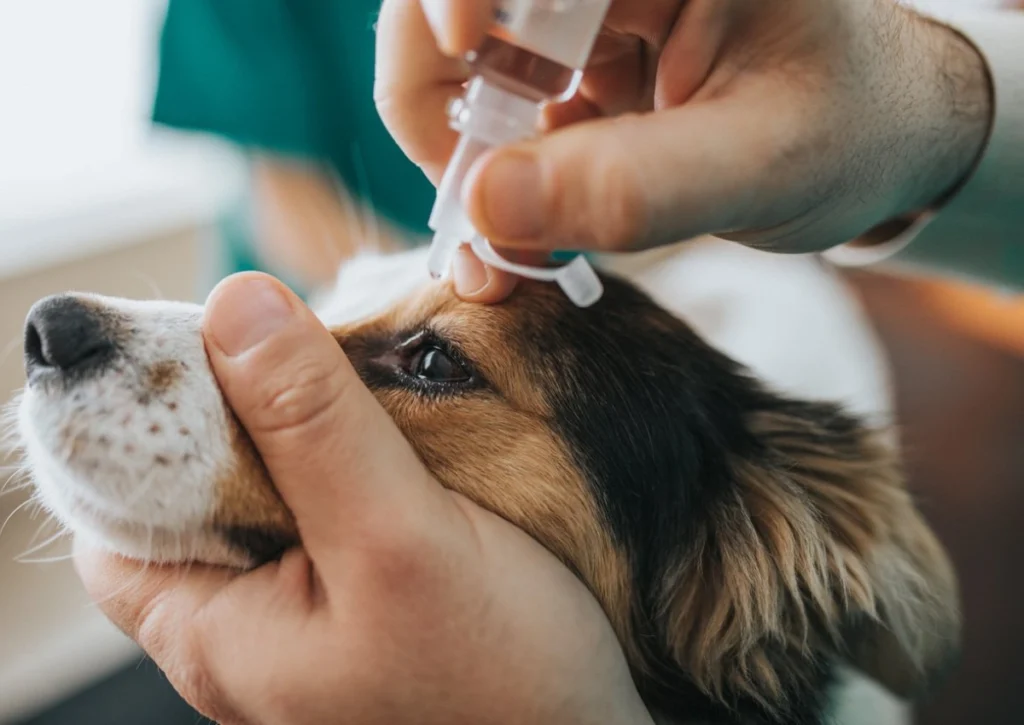
Treating dry eye problems in dogs is not simply about adding moisture temporarily; it is about restoring long-term stability to the eye surface and preventing ongoing damage. In most cases, treatment involves medicated eye drops designed to stimulate natural tear production while also reducing inflammation inside the tear glands themselves. Artificial tears are often used alongside medication to provide immediate lubrication and reduce discomfort, especially during the early stages of treatment when the eye surface is still highly irritated. However, what owners must understand is that lubrication alone does not solve the condition if the tear glands themselves remain dysfunctional.
One of the biggest challenges with dry eye management is consistency. Because symptoms may improve after treatment begins, owners sometimes reduce medication use too early, assuming the condition has resolved completely. However, dry eye is usually chronic rather than temporary, which means irregular treatment often allows inflammation and irritation to return quickly.
Long-term management is therefore extremely important. When treatment remains consistent, many dogs maintain comfortable, healthy vision for years. But when treatment becomes inconsistent or delayed, chronic inflammation can permanently damage the cornea and significantly affect long-term eye health.
Cataracts
Cataracts are one of the most recognised eye conditions in dogs, largely because owners often notice visible cloudiness developing in the eye. However, cataracts are far more than a cosmetic change in appearance. They directly interfere with how light passes through the eye, gradually reducing vision quality and altering how a dog experiences the surrounding environment.
What makes cataracts particularly challenging is that they usually progress slowly rather than suddenly. Because dogs adapt remarkably well to gradual vision loss, many owners underestimate the severity of the condition until visual impairment becomes much more advanced.
How Cataracts Develop
Inside the eye is a clear structure called the lens, which helps focus light properly so vision remains sharp and functional. Cataracts develop when proteins inside this lens begin breaking down and clumping together, causing the normally transparent lens to become cloudy or opaque. As the cloudiness increases, less light reaches the retina correctly, which gradually reduces visual clarity. In early stages, the changes may be subtle enough that vision remains mostly functional, but as progression continues, vision becomes increasingly blurred and eventually severely impaired.
Cataracts may develop due to ageing, genetics, diabetes, inflammation, trauma, or underlying disease processes. Diabetes-related cataracts are especially aggressive because blood sugar imbalance rapidly affects the lens structure, sometimes causing significant clouding within a short period. What many owners misunderstand is that cataracts are not simply “old age eyes.” While aging increases risk, cataracts represent an actual structural change inside the eye that affects how vision functions physically. Without proper monitoring, progression may continue until blindness occurs.
Symptoms Owners Notice
The most obvious sign owners notice is a cloudy, white, or bluish appearance inside the eye. However, vision-related symptoms often begin before cloudiness becomes dramatically visible externally.
Dogs with cataracts may hesitate in unfamiliar environments, bump into objects in low lighting, become less confident navigating stairs, or appear startled more easily when approached unexpectedly. These changes reflect declining visual clarity rather than behavioural problems.
One reason cataracts become difficult to recognise early is that dogs compensate extremely well using memory, smell, and hearing. In familiar environments, they may continue functioning almost normally even while vision declines significantly. Owners, therefore, assume the cloudiness is “not affecting them much,” when in reality the dog has simply adapted behaviorally.
Treatment and Management
Treatment depends largely on the stage and severity of the cataracts. In mild cases where vision remains mostly functional, regular monitoring may initially be sufficient. However, once cataracts significantly interfere with vision, surgery becomes the most effective treatment option.
Cataract surgery works by removing the cloudy lens and replacing it with an artificial lens that restores light transmission and visual clarity. Success rates are often very high when surgery is performed before major secondary complications develop. At the same time, managing underlying causes is equally important. Conditions such as diabetes or chronic inflammation must remain controlled because they directly influence how quickly cataracts progress.
What owners should understand is that delaying evaluation simply because the dog “seems okay” can reduce treatment options later. Cataracts themselves may eventually trigger secondary inflammation, pressure changes, or deeper eye complications if progression continues untreated.
Corneal Ulcers
Corneal ulcers are among the most painful and potentially dangerous eye problems in dogs because they directly affect the cornea—the clear outer surface of the eye that protects deeper structures while allowing light to enter properly. Unlike mild irritation or temporary redness, a corneal ulcer involves actual damage or erosion to the corneal surface itself. Because the cornea contains a very high concentration of nerves, even small injuries can cause intense pain and discomfort.
What makes corneal ulcers especially serious is how quickly they can worsen. A minor scratch or irritation can rapidly progress into a deeper wound if bacteria, inflammation, or continued trauma affect the damaged area. This is why corneal ulcers are considered urgent eye conditions rather than problems that should simply be monitored at home. Early recognition and immediate treatment often determine whether the eye heals properly or develops long-term damage.
How Corneal Ulcers Happen
Corneal ulcers develop when the protective surface of the cornea becomes damaged, exposing deeper layers underneath. This damage may happen due to scratches from nails, rough play, dust particles, plant material, trauma, dry eye, chemical irritation, or untreated infections that weaken the eye surface over time. What many owners fail to realise is that the cornea relies heavily on a healthy tear film and intact surface for protection. When dryness, irritation, or inflammation disrupts this balance, the cornea becomes significantly more vulnerable to injury. Even normal blinking can worsen irritation once the surface is already compromised.
Another reason ulcers become dangerous so quickly is that bacteria can penetrate damaged corneal tissue very easily. Once infection reaches deeper layers of the cornea, the ulcer may begin progressing inward rather than remaining superficial. In severe cases, this can threaten the structural integrity of the eye itself. Some breeds are also naturally more vulnerable due to prominent eyes or facial structure. Dogs with bulging eyes or shallow eye sockets often experience greater exposure to environmental irritants and accidental trauma, increasing ulcer risk significantly.
Symptoms of Corneal Ulcers
Dogs with corneal ulcers usually show much more obvious discomfort than dogs with many other eye conditions because corneal pain is extremely intense. One of the most common signs is heavy squinting or keeping the affected eye partially or completely closed. This happens because blinking and light exposure become painful once the corneal surface is damaged. Excessive tearing is another major symptom because the eye attempts to flush out irritants and protect itself naturally. However, despite increased tearing, the eye may still appear red, inflamed, or cloudy due to the damage occurring on the corneal surface.
Many dogs also paw at the eye constantly, rub their face against furniture, or show extreme sensitivity to light. Some become restless, irritable, or unusually withdrawn because the pain remains continuous rather than occasional. What makes ulcers particularly concerning is that symptoms often become severe very quickly. Owners sometimes assume the eye is “just irritated” because the problem appeared suddenly, but rapid symptom progression is actually one of the defining features of corneal ulcers.
Treatment Approach
Treating corneal ulcers focuses on protecting the damaged tissue, preventing infection, reducing pain, and allowing the cornea to heal safely without further trauma. Because the cornea heals differently than other tissues in the body, treatment must happen carefully and consistently to avoid complications. Antibiotic eye drops are commonly used because once the corneal surface is damaged, bacteria can enter very easily and worsen the ulcer rapidly. Pain management is equally important because untreated pain not only affects comfort but may also cause the dog to rub the eye more aggressively, increasing damage further.
Protective collars are often necessary to prevent pawing or rubbing, even when owners feel their dog “doesn’t do it much.” A single moment of scratching can dramatically worsen an already fragile corneal surface. In deeper or non-healing ulcers, surgery may become necessary to stabilise the cornea and prevent rupture or permanent scarring. This is especially true when ulcers penetrate beyond the surface layers and begin threatening deeper eye structures.
Glaucoma
Glaucoma is one of the most severe and vision-threatening eye conditions that dogs can develop because it affects the internal pressure of the eye itself. Unlike surface conditions such as irritation or infection, glaucoma damages deeper structures inside the eye, particularly the optic nerve responsible for transmitting visual information to the brain.
What makes glaucoma especially dangerous is not only the risk of blindness, but the speed at which permanent damage can occur. Increased pressure inside the eye can begin destroying sensitive nerve tissue rapidly, which means delayed treatment often leads to irreversible vision loss. In many cases, glaucoma is also extremely painful, even when the discomfort is not immediately obvious externally.
Why Pressure Buildup Is Dangerous
The eye constantly produces fluid internally to maintain shape, nourishment, and normal function. Under healthy conditions, this fluid drains naturally through specialised channels that keep internal pressure balanced. Glaucoma develops when this drainage process becomes impaired, causing fluid to accumulate and pressure to rise inside the eye.
This pressure buildup compresses delicate internal structures, especially the optic nerve and retina. Unlike temporary irritation, pressure-related damage directly affects the tissues responsible for vision itself. Once nerve tissue becomes damaged, recovery is extremely limited because nerve cells do not regenerate effectively.
Another reason glaucoma becomes so dangerous is that pressure affects blood circulation inside the eye. Reduced circulation deprives sensitive tissues of oxygen and nutrients, accelerating damage even further. What many owners misunderstand is that glaucoma is not simply “an eye problem.” It is a neurological and structural emergency affecting the entire function of the eye internally. The longer pressure remains elevated, the greater the likelihood of permanent blindness and chronic pain.
Symptoms of Glaucoma
Dogs with glaucoma often develop symptoms that initially resemble ordinary irritation, which is one reason the condition is frequently underestimated early. Redness, squinting, tearing, or a cloudy appearance may appear first, leading owners to assume the issue is infection or mild inflammation.
However, glaucoma symptoms usually progress rapidly because the pressure inside the eye continues increasing. The eye may begin appearing enlarged or bulging due to internal pressure pushing outward against the eye structures. Some dogs develop a bluish or cloudy appearance because pressure affects corneal clarity and fluid balance.
Pain is one of the most significant but overlooked aspects of glaucoma. Dogs experiencing elevated eye pressure may become lethargic, withdrawn, irritable, or unwilling to engage normally because the discomfort is constant and intense. Some dogs avoid bright light, keep the eye partially closed, or rub at their faces repeatedly. Vision loss may also develop suddenly. Dogs may bump into objects, hesitate while moving, or appear confused in familiar environments because the optic nerve is no longer functioning properly.
What makes glaucoma particularly frightening is how quickly blindness can become permanent. In some cases, irreversible damage may begin within hours if pressure remains uncontrolled. This is why glaucoma is considered a true emergency rather than a condition that can safely “wait and see.”
Treatment and Long-Term Care
The primary goal of glaucoma treatment is to reduce eye pressure as quickly as possible to preserve vision and relieve pain. Medications are typically used initially to decrease fluid production inside the eye or improve fluid drainage, helping restore safer pressure levels. Pain management is equally important because glaucoma discomfort can be severe even when dogs continue behaving relatively normally outwardly. Controlling pain improves both comfort and overall quality of life during treatment.
In cases where pressure cannot be controlled medically, surgical intervention may become necessary. Some procedures aim to improve drainage and preserve vision, while others focus primarily on eliminating pain if vision has already been permanently lost. One of the biggest challenges with glaucoma is that it often becomes a chronic condition requiring long-term monitoring and management. Even after initial treatment, pressure may fluctuate again over time, making regular veterinary follow-up essential.
Signs That Require Immediate Veterinary Attention
Not every eye issue in dogs develops slowly. Some symptoms indicate that the condition may already be severe, rapidly progressing, or threatening your dog’s vision directly. The challenge is that many serious eye conditions initially resemble mild irritation, which causes owners to underestimate the urgency of the situation. However, because the eyes are delicate and highly sensitive organs, even a few hours of delay can sometimes make a major difference in treatment outcome.
Understanding which symptoms require immediate veterinary attention is important because eye conditions often worsen much faster than skin, digestive, or behavioural problems. Vision-related damage can become permanent if treatment is delayed too long, especially in cases involving pressure buildup, ulcers, deep infection, or trauma. The goal is not to panic at every small symptom, but to recognise when the eye is signalling that the problem has moved beyond simple irritation and requires urgent medical intervention.
Sudden Vision Changes
Any sudden change in your dog’s vision should be treated seriously because rapid vision loss usually indicates a deeper internal eye problem rather than surface irritation alone. Dogs experiencing vision changes may bump into furniture, hesitate in familiar spaces, appear confused while walking, or become startled more easily because they can no longer interpret their surroundings properly.
What makes this symptom difficult to identify initially is that dogs compensate remarkably well using smell, hearing, and memory. In familiar environments, they may continue moving around relatively normally despite significant visual impairment. Owners, therefore, often underestimate how much vision has already been affected internally.
Another important factor is that sudden vision loss frequently reflects conditions such as glaucoma, retinal disease, severe inflammation, or advanced corneal damage—all of which can progress rapidly if untreated. In these situations, vision may continue deteriorating even while outward symptoms still appear moderate.
The danger of waiting too long is that some causes of sudden blindness become irreversible very quickly. Once nerve tissue or retinal structures are permanently damaged, restoring vision may no longer be possible. This is why sudden behavioural hesitation, navigation difficulty, or visual confusion should never be dismissed as simple ageing or temporary disorientation without proper evaluation.
Severe Redness or Swelling
Mild redness may occasionally occur from temporary irritation, but severe redness, swelling, or inflamed tissue often indicates that the eye is experiencing significant internal stress or infection. When inflammation becomes intense, it usually means the body is responding aggressively to injury, pressure changes, bacteria, ulcers, or deeper tissue damage.
Swelling around the eye can affect blinking, tear distribution, and pressure regulation, which further increases the risk of complications if left untreated. In some cases, swelling may also indicate trauma, allergic reaction, or infection spreading into surrounding tissues rather than remaining isolated to the eye surface itself.
Constant Pawing or Signs of Pain
Dogs instinctively try to protect or relieve painful areas by rubbing, pawing, or scratching, which means repeated face rubbing or constant pawing at the eye is often one of the clearest signs that significant discomfort is present. Eye pain is particularly distressing because blinking, light exposure, and even normal eye movement can become painful once deeper structures are irritated. Some dogs may also whine, keep their eyes tightly closed, avoid bright environments, or become restless due to ongoing discomfort. Others become unusually quiet or withdrawn because chronic pain affects both physical comfort and emotional behaviour simultaneously.
What makes this symptom especially dangerous is that rubbing or scratching can dramatically worsen many eye conditions. A dog pawing at a mild corneal injury may quickly turn it into a severe ulcer. Similarly, constant rubbing during infection or inflammation can introduce additional bacteria and increase tissue damage further.
Final Thoughts
Understanding common eye problems in dogs is not just about identifying redness, discharge, or visible irritation—it is about recognising how sensitive and vulnerable the eyes truly are. Eye conditions often begin with small symptoms that appear harmless initially, but because the eye contains delicate nerves, tissues, and pressure-sensitive structures, even minor issues can progress quickly when ignored. What makes eye health especially important is that dogs cannot directly communicate visual discomfort or explain changes in their vision. Instead, they rely on subtle behavioural signals such as squinting, rubbing the face, avoiding light, or becoming hesitant in familiar environments. Learning to notice these small changes early is often what prevents temporary irritation from becoming long-term damage.

yespaws
Recent Posts
-
 How to Manage Pets in Small Apartments September 12, 2026
 -
 Indoor Games to Keep Pets Active September 11, 2026
 -
 How Much Exercise Does Your Dog Really Need September 10, 2026
 -
 First-Time Cat Owner? Here’s How to Groom Your Cat Safely September 9, 2026
 -
 Safety Tips for Night Walks with Dogs September 8, 2026