Joint Pain in Dogs: Causes and Remedies
Joint pain is one of the most common health problems affecting dogs, especially as they age, yet many owners fail to recognise the condition until mobility becomes significantly affected. What makes joint pain difficult to identify early is that dogs rarely show obvious signs of discomfort in the beginning. Instead of crying or visibly reacting to pain, they often adapt slowly by reducing movement, changing posture, avoiding certain activities, or becoming less active over time. Because these changes develop gradually, many owners assume the dog is simply slowing down due to age rather than experiencing chronic pain internally.
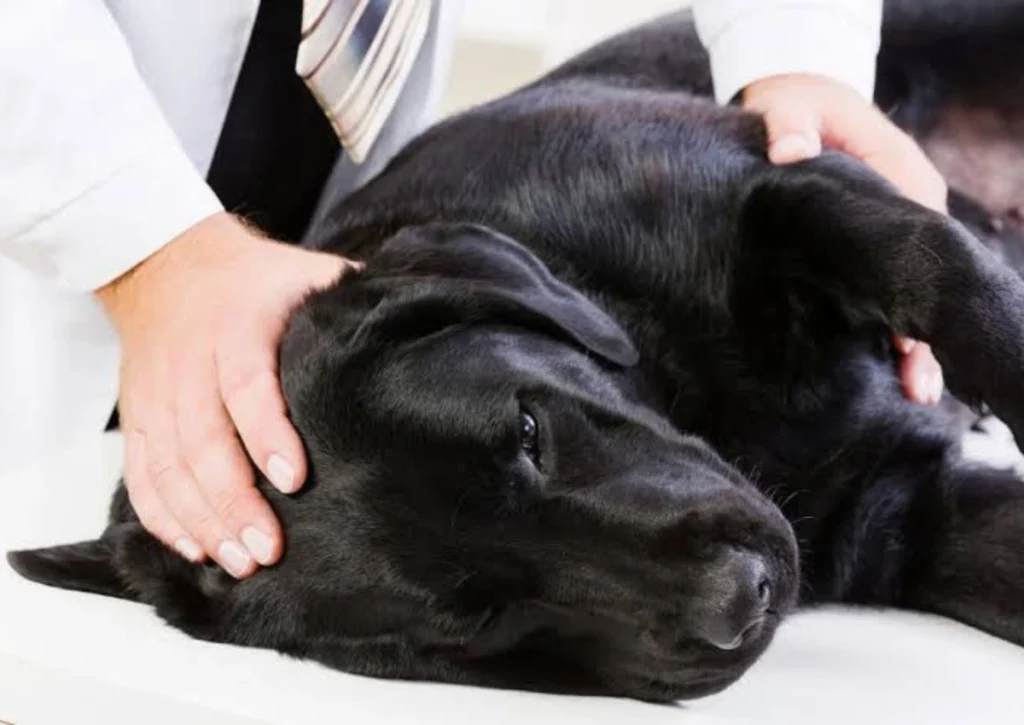
Understanding joint pain in dogs is important because joints play a central role in nearly every movement the body performs. Walking, running, climbing stairs, sitting, standing, jumping, and even resting comfortably depend on healthy joint function. When inflammation, degeneration, injury, or instability affects the joints, the body compensates in multiple ways to reduce discomfort. Over time, this compensation creates muscle strain, stiffness, reduced activity, weight gain, and worsening mobility, which further increases stress on already painful joints.
Why Joint Health Matters More Than Most Owners Realise
Joints are not simply connection points between bones; they are highly active and complex structures responsible for movement, flexibility, balance, shock absorption, posture, and weight distribution throughout the body. Every time a dog walks, runs, jumps, climbs stairs, turns suddenly, or even shifts position while resting, the joints are working continuously to support smooth movement without pain. Healthy joints rely on cartilage, joint fluid, ligaments, tendons, muscles, and surrounding connective tissues, all functioning together properly. When even one part of this system becomes damaged or inflamed, the entire movement pattern of the body begins changing gradually.
Joints Handle Constant Physical Stress
Most owners do not realise how much physical pressure a dog’s joints absorb every single day. Even normal walking places repeated force on the hips, knees, elbows, shoulders, and spine. High-energy dogs, large breeds, working dogs, or highly active pets place even greater stress on these joints because movement intensity increases the amount of force absorbed repeatedly over time. Healthy cartilage normally acts like a cushion between bones, while joint fluid helps movement remain smooth and friction-free. However, when cartilage begins wearing down or inflammation develops, movement becomes less efficient and more painful internally. The bones may begin rubbing together more directly, inflammation increases friction inside the joint, and surrounding muscles start compensating to protect painful areas.
What makes this especially difficult to identify early is that joint damage usually begins long before severe limping appears. Dogs instinctively adapt their movement to hide discomfort rather than showing obvious pain immediately. Small behavioural adjustments such as moving more slowly, hesitating before jumping, or changing posture often appear much earlier than owners expect.
Another important detail is that repetitive stress affects joints gradually over time, even without major injury. Dogs that regularly jump from heights, run intensely on hard surfaces, climb excessive stairs, or carry excess body weight may slowly develop joint strain long before arthritis or severe pain becomes obvious externally.
Pain Changes the Way Dogs Move
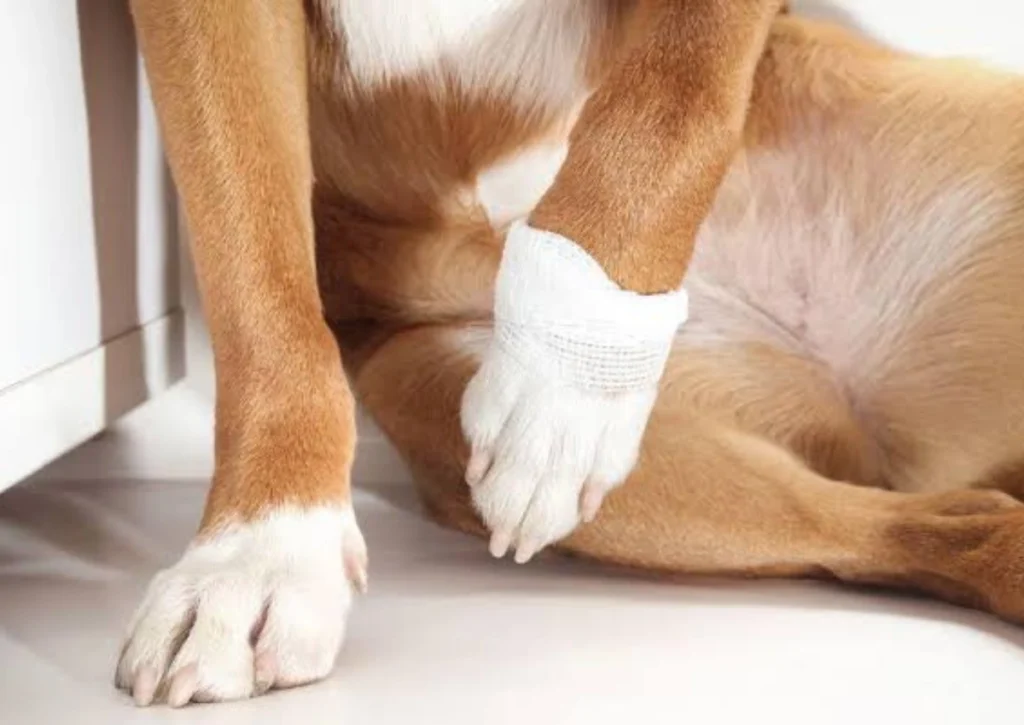
One of the biggest hidden effects of joint pain is that dogs naturally begin changing movement patterns to avoid discomfort. A dog with hip pain may shift more body weight onto the front legs, while a dog with elbow pain may shorten steps, avoid sharp turns, or place weight unevenly while standing. Initially, these compensation patterns help reduce discomfort temporarily. However, over time, they create additional strain throughout the rest of the body. Muscles become overworked, posture changes, balance shifts, and healthy joints begin carrying abnormal pressure because the painful area is no longer functioning normally.
This is why untreated joint pain often spreads beyond the original joint itself. For example, a dog protecting one painful knee may eventually develop strain in the hips, lower back, or opposite leg because the body is constantly redistributing weight unevenly. Another issue many owners overlook is muscle weakening caused by reduced movement. When dogs avoid activity due to pain, muscle mass gradually decreases. Since muscles help stabilise and support joints, weaker muscles place even more pressure directly onto already inflamed joints, worsening discomfort further.
This creates a difficult cycle: pain reduces movement → reduced movement weakens muscles → weaker muscles increase joint strain → increased strain worsens pain. Without intervention, this cycle usually continues progressing gradually over time.
Chronic Pain Affects Emotional Well-being Too
Joint pain not only affects physical movement, but it also changes emotional behaviour, energy levels, sleep quality, confidence, and overall personality. Dogs experiencing chronic discomfort often become quieter, less playful, less social, or emotionally withdrawn because ongoing pain continuously drains both physical and mental energy. Some dogs begin avoiding interaction because movement itself feels uncomfortable. Others become irritable when touched near painful areas or unexpectedly reactive during handling because they are trying to protect sensitive joints. Activities they once loved, running, climbing, jumping, long walks, or playing, may slowly disappear from their routine because those activities no longer feel physically safe or enjoyable.
What many owners misunderstand is that these behavioural changes are often pain-related rather than age-related personality changes. A dog that suddenly sleeps more, avoids stairs, hesitates before standing, or no longer greets people enthusiastically may actually be struggling with chronic discomfort rather than simply “slowing down.” Sleep quality is also commonly affected. Dogs with joint pain often struggle finding comfortable resting positions, wake up stiff after sleeping, or change positions repeatedly because pressure on inflamed joints becomes uncomfortable during rest.
Over time, chronic discomfort reduces confidence and independence as well. Some dogs become hesitant exploring unfamiliar areas, walking on slippery floors, or moving quickly because they no longer trust their body to move comfortably or safely. This is why improving joint health is not only about restoring movement; it is about improving comfort, emotional well-being, confidence, energy, stability, and overall quality of life.
Common Causes of Joint Pain in Dogs
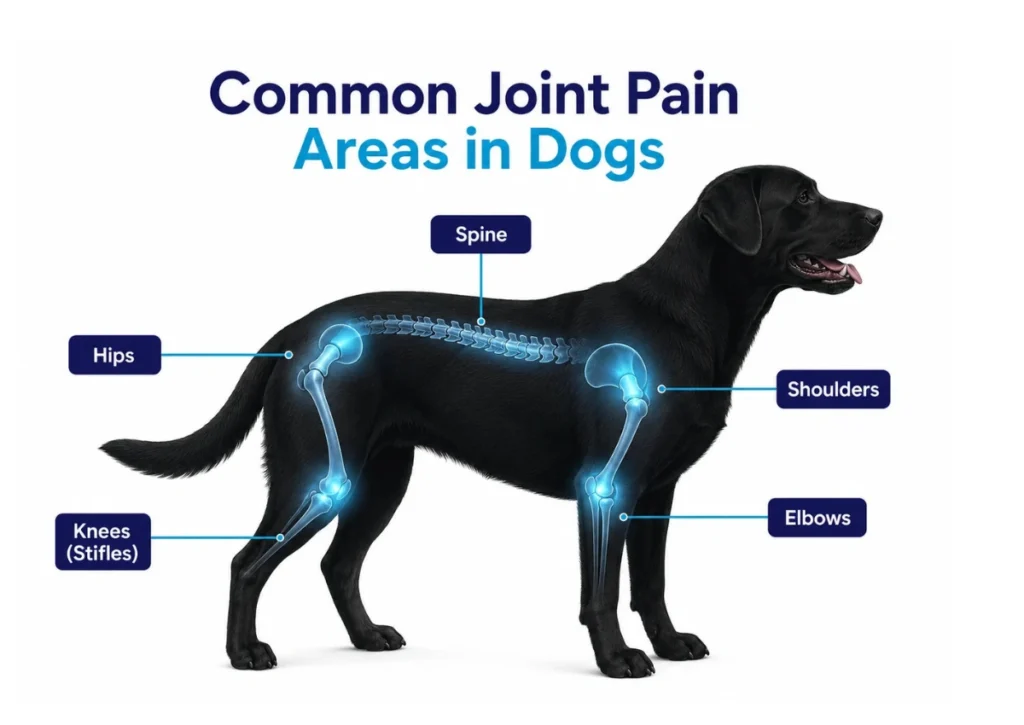
Joint pain can develop for many different reasons, ranging from ageing-related degeneration to injuries, inherited conditions, lifestyle factors, inflammation, or long-term physical strain. Understanding the underlying cause matters because different types of joint problems affect the body differently and often progress at different speeds.
Arthritis and Joint Degeneration
Arthritis is one of the most common causes of joint pain in dogs, especially in older pets. Over time, the protective cartilage inside the joints gradually begins to wear down. Cartilage normally acts as a smooth cushioning layer between bones, allowing movement to happen comfortably without friction. As this protective layer thins, the bones begin experiencing more direct pressure and friction during movement. The body responds to this friction through inflammation, which creates swelling, stiffness, reduced flexibility, and pain inside the joint. What makes arthritis especially challenging is that it develops slowly and progressively. Early symptoms are often subtle enough that owners mistake them for simple ageing rather than chronic joint disease.
Dogs with early arthritis may become slower rising after rest, hesitate before jumping into cars, stretch more frequently, or lose enthusiasm for walks and play. Because the changes happen gradually, families often adapt to the dog’s slower movement without realising how much discomfort is already present internally. As arthritis progresses, the joints become increasingly stiff and inflamed. Dogs may limp after activity, avoid stairs, struggle standing up, or tire much more quickly because movement itself requires greater physical effort. Another important detail is that arthritis does not only affect elderly dogs. Previous injuries, repetitive strain, obesity, poor joint structure, or excessive physical stress can accelerate joint degeneration even in younger dogs.
Hip Dysplasia and Genetic Conditions
Some dogs develop joint pain due to inherited structural abnormalities such as hip dysplasia or elbow dysplasia. These conditions occur when the joints do not develop properly during growth, causing instability and abnormal movement inside the joint itself. Instead of moving smoothly, the joint surfaces grind unevenly against each other. This abnormal movement increases cartilage wear, inflammation, and long-term degeneration much earlier than normal.
Large and giant breeds are particularly vulnerable because rapid growth and heavier body weight place significant pressure on developing joints. However, genetics alone is not always the only factor. Nutrition during growth, excessive exercise during puppyhood, obesity, and poor muscle support can all worsen how severely these conditions progress. Dogs with dysplasia often show subtle signs initially. Some bunny-hop while running, avoid jumping, sit awkwardly, struggle standing after rest, or become stiff after exercise. The symptoms may fluctuate from day to day, which often delays recognition because the dog sometimes appears relatively normal.
Injury and Physical Trauma
Joint pain may also develop suddenly after injuries such as falls, rough play, ligament tears, fractures, or repetitive physical strain. Even when the visible injury appears healed externally, the joint itself may remain unstable internally if cartilage, ligaments, or surrounding tissues were damaged. One of the most common long-term joint injuries in dogs involves cruciate ligament tears in the knee. These injuries create instability inside the joint, causing abnormal movement patterns and eventually accelerating arthritis development.
Dogs with ligament injuries may suddenly limp, refuse to place weight on the leg, or struggle standing comfortably because the joint no longer feels secure. Some injuries improve temporarily with rest, which causes owners to underestimate the severity initially. Another important point is that even relatively mild injuries can permanently change how a joint functions. Once movement mechanics become abnormal, cartilage often wears down faster, and inflammation develops more easily later in life. This is why dogs with previous injuries frequently develop arthritis earlier than dogs without trauma history, even if the original injury happened years earlier.
Excess Weight Increases Joint Stress
Body weight has an enormous effect on joint health because every extra kilogram increases mechanical pressure on the joints during movement. Hips, knees, elbows, shoulders, and the spine must absorb significantly greater force in overweight dogs, which accelerates cartilage wear and inflammation over time. What makes weight-related joint pain especially problematic is that it creates a self-worsening cycle. Pain reduces movement, reduced movement contributes to weight gain, and increased weight places even more stress on painful joints.
Even small amounts of excess weight matter more than many owners realise. Modest weight reduction often improves mobility surprisingly quickly because the joints experience less pressure with every step the dog takes. Another overlooked factor is that body fat itself contributes to inflammation throughout the body. Excess fat tissue produces inflammatory chemicals that may worsen joint pain beyond the physical pressure alone.
This means maintaining a healthy weight supports joint health in two ways:
- Reducing mechanical strain
- Reducing inflammatory stress internally
Because of this, weight management remains one of the most effective long-term strategies for improving joint comfort and slowing degeneration progression naturally.
Early Signs of Joint Pain in Dogs
Dogs rarely begin with severe limping or obvious crying when joint pain first develops. In most cases, the earliest signs are subtle behavioural and movement changes that gradually become more noticeable over time. Because these changes often appear slowly, many owners assume the dog is simply becoming calmer, lazier, or older rather than recognising that the body is already adapting to chronic discomfort internally. What makes early recognition especially important is that joint problems are usually much easier to manage before severe inflammation, muscle loss, and mobility decline develop.
Stiffness After Rest
One of the earliest and most common signs of joint pain is stiffness after resting or sleeping. Dogs may take longer to stand up, stretch repeatedly before moving, or walk stiffly for the first few minutes after getting up. Some appear slow or hesitant early in the morning but improve slightly once they begin moving around.
This happens because inflamed joints often become stiffer during periods of inactivity. While resting, circulation slows slightly, and joint tissues tighten, making movement uncomfortable initially. Once the dog begins walking, blood flow increases and the joints warm up temporarily, which may reduce stiffness for a short time. What makes this symptom difficult to identify early is that the stiffness may seem mild or inconsistent at first. Owners often assume the dog simply “slept awkwardly” or is naturally slower after resting due to age. However, repeated stiffness after naps or overnight sleep usually reflects underlying inflammation inside the joints rather than ordinary tiredness.
Another important detail is that dogs often try to hide this discomfort behaviorally. Instead of crying or visibly reacting, they may simply move more cautiously, take smaller steps, or avoid standing up quickly because sudden movement feels uncomfortable internally. Over time, the stiffness usually becomes more noticeable and lasts longer because inflammation and joint degeneration continue progressing gradually underneath.
Reluctance to Jump, Run, or Climb
Dogs experiencing joint pain frequently begin avoiding activities that place extra pressure on painful joints. Jumping into cars, climbing stairs, running, getting onto furniture, or even playing enthusiastically may suddenly become less appealing. At first, this hesitation is often subtle. A dog may pause before jumping, climb stairs more slowly, stop halfway during play, or look for easier paths instead of taking direct movements. Because the dog can still technically perform the activity sometimes, owners often misunderstand the hesitation as laziness, stubbornness, or reduced excitement rather than pain avoidance.
What many people overlook is that dogs naturally avoid movements that increase discomfort. Jumping and climbing place intense pressure on the hips, knees, elbows, shoulders, and the spine, especially during landing and pushing movements. If these joints are inflamed or unstable, the body instinctively tries to reduce strain by limiting those activities.
Changes in Activity, Posture, and Mood
Chronic joint pain often affects overall behaviour and emotional well-being just as much as physical movement. Dogs living with ongoing discomfort may become less playful, sleep more frequently, tire more quickly during walks, or lose interest in activities they previously enjoyed. Some dogs become emotionally quieter or withdrawn because chronic pain continuously drains physical and mental energy. Others become irritable when touched near painful joints or are less tolerant during grooming, nail trimming, or handling because certain movements increase discomfort.
Posture changes are also common but frequently overlooked. Dogs may sit differently, shift weight unevenly while standing, lean forward to reduce pressure on painful hips, or stretch more frequently in an attempt to relieve stiffness. Some dogs begin lying down more carefully or changing positions repeatedly because finding comfortable resting positions becomes difficult.
What makes these symptoms especially easy to miss is that they rarely appear dramatically all at once. Instead, owners gradually adapt to the dog’s changing routine without realising that the body is constantly compensating for pain in the background. The key thing to understand is that early joint pain rarely looks dramatic. More often, it appears through subtle reductions in enthusiasm, movement confidence, flexibility, and activity levels that slowly increase over time.
Natural Remedies and Supportive Care
Managing joint pain effectively usually requires a combination of lifestyle adjustments, supportive care, physical management, and veterinary guidance. While severe joint degeneration cannot always be completely reversed, many dogs experience significant improvement in comfort, mobility, and quality of life when supportive care begins early and remains consistent. The goal is not simply reducing pain temporarily; it is supporting the joints in a way that slows progression, improves movement efficiency, and reduces unnecessary physical strain over time.
Weight Management Reduces Joint Pressure
One of the most effective and scientifically important ways to improve joint health is maintaining a healthy body weight. Every extra kilogram a dog carries increases pressure on the hips, knees, elbows, shoulders, and spine during movement. Over time, this additional stress accelerates cartilage wear, inflammation, and pain inside already vulnerable joints. What makes weight management especially powerful is that even small reductions in weight often improve mobility surprisingly quickly. Dogs may move more comfortably, stand up more easily, and regain activity levels simply because the joints are no longer carrying excessive pressure with every step.
Another important factor many owners overlook is that body fat itself contributes to inflammation throughout the body. Excess fat tissue releases inflammatory chemicals that may worsen joint pain beyond the physical strain alone. This means a healthy weight supports joint comfort both mechanically and biologically. Weight-related improvement also helps break the pain cycle. Reduced pain allows more movement, improved movement strengthens muscles, and stronger muscles support joints more effectively. This creates positive long-term improvement rather than gradual decline.
Controlled Exercise Maintains Mobility
Many owners assume dogs with joint pain should rest as much as possible, but complete inactivity often worsens the condition instead of helping it. Controlled low-impact exercise is extremely important because movement helps maintain circulation, muscle strength, joint flexibility, and overall physical stability.
Gentle walks, swimming, slow controlled movement, and moderate activity often support joint health better than intense exercise or prolonged rest. Muscles surrounding the joints act like natural stabilisers, helping reduce direct strain on the joints themselves. When activity disappears completely, these muscles weaken, causing the joints to become less supported and more vulnerable to pain. However, balance is critical. Excessive running, repetitive jumping, rough play, slippery surfaces, or intense activity may worsen inflammation and increase strain. This is why controlled consistency matters more than intensity.
Joint Supplements May Support Long-Term Comfort
Certain joint supplements may help support cartilage health, joint lubrication, and inflammation balance over time. While supplements usually do not reverse severe arthritis completely, they may improve comfort and slow progression when combined with proper weight management and movement support. What many owners misunderstand is that joint supplements work gradually rather than immediately. Because cartilage and connective tissues change slowly, consistent long-term use is usually necessary before noticeable improvement appears.
Another important point is that supplements tend to work best during earlier or moderate stages of joint degeneration rather than extremely advanced disease. Supporting the joints before severe damage develops often produces better long-term outcomes. However, supplements alone are rarely enough if major contributing factors such as obesity, excessive strain, or untreated injuries remain unaddressed. Joint health improves most effectively when supportive care works together rather than relying on a single solution.
Comfortable Environments Reduce Daily Strain
Environmental support makes a much bigger difference than many owners realise because dogs with joint pain experience physical stress repeatedly throughout everyday life. Hard floors, slippery surfaces, steep stairs, difficult sleeping areas, or jumping onto furniture may place repeated strain on painful joints. Small adjustments such as soft bedding, orthopaedic mattresses, rugs for traction, ramps, elevated food bowls, and easier access to resting areas can significantly improve comfort and movement confidence.
Slippery flooring is particularly problematic because dogs with painful joints often struggle to maintain a stable footing. This increases muscle tension, fear of slipping, and risk of injury during normal movement. Providing traction helps reduce both physical strain and emotional hesitation during walking. Comfortable resting spaces are equally important because dogs with arthritis or chronic inflammation often struggle to find pain-free sleeping positions. Proper support during rest reduces stiffness and improves recovery after activity.
When to See a Veterinarian
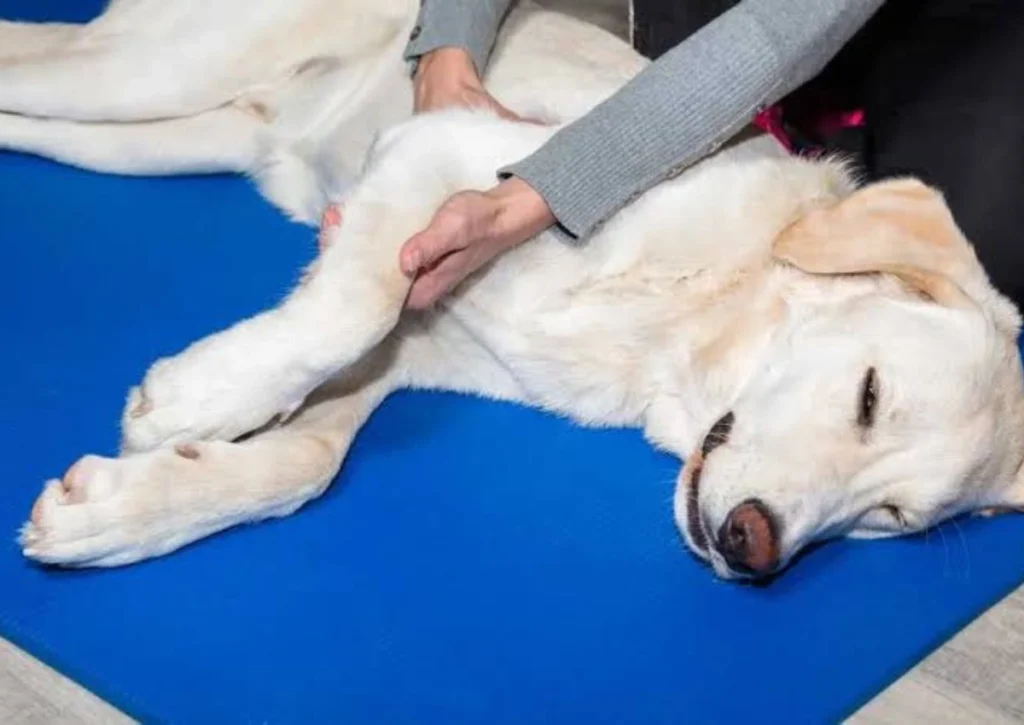
Joint pain should never simply be accepted as a “normal part of ageing” without proper evaluation. While some slowing down naturally occurs as dogs get older, persistent stiffness, limping, reduced mobility, or behavioural changes often indicate ongoing pain and inflammation rather than ordinary ageing alone. One of the biggest mistakes owners make is waiting until movement becomes severely affected before seeking veterinary care. However, by the time severe limping or major mobility loss develops, the joints may already have experienced significant long-term degeneration internally. Early evaluation often makes a major difference because treatment can begin before pain, muscle loss, and compensation patterns become much harder to manage.
Persistent Limping Requires Attention
Occasional stiffness or mild limping after intense activity may sometimes happen temporarily, but limping that persists, returns repeatedly, or gradually worsens should always be evaluated. Limping usually indicates that the dog is actively trying to reduce pressure on a painful area, which means discomfort is already significant enough to affect normal movement patterns.
What many owners misunderstand is that dogs often continue walking and functioning even while experiencing considerable pain. A dog does not need to cry or refuse movement completely for the condition to be serious. In fact, many dogs continue adapting quietly while inflammation, cartilage damage, or instability continue worsening internally. Another important detail is that limping may fluctuate depending on activity level, weather, rest, or inflammation intensity. Some dogs appear almost normal on certain days and significantly worse on others, which creates the false impression that the issue is “not serious yet.” However, inconsistent symptoms often still reflect chronic joint stress developing underneath.
Sudden Mobility Changes May Indicate Injury
Sudden difficulty walking, refusing to bear weight, collapsing, severe stiffness, inability to climb stairs, or crying during movement may indicate acute injury requiring urgent attention. Ligament tears, fractures, spinal problems, severe inflammation, or neurological issues can all cause rapid mobility changes that should never be monitored casually at home for extended periods.
Cruciate ligament injuries in the knee are particularly common causes of sudden lameness. Dogs may suddenly lift one leg completely, struggle standing up, or avoid movement because the joint feels unstable and painful. Similarly, spinal problems may cause weakness, wobbling, dragging of the legs, or sudden loss of coordination.
What makes acute injuries especially concerning is that continued movement may worsen damage significantly if the underlying issue remains untreated. Some dogs try to continue walking despite injury, which creates additional strain on surrounding muscles and joints. Rapid mobility changes should therefore always be treated seriously because they often indicate structural damage or severe inflammation requiring immediate medical assessment.
Early Treatment Improves Long-Term Outcomes
One of the most important reasons to seek veterinary evaluation early is that joint problems usually become progressively harder to manage once severe degeneration develops. Inflammation, cartilage wear, muscle loss, posture changes, and compensation patterns all worsen gradually over time if the underlying issue remains untreated.
Early treatment often focuses on slowing progression, reducing inflammation, improving comfort, protecting remaining cartilage, and preserving muscle strength before mobility declines significantly. Once severe muscle wasting or advanced joint instability develops, restoring comfortable movement becomes much more difficult. Veterinary assessment may also help identify underlying causes that owners cannot recognise at home. Joint pain may result from arthritis, dysplasia, spinal disease, ligament injuries, autoimmune conditions, nerve problems, fractures, or infections, all of which require different treatment approaches.
Another important detail is that dogs frequently hide pain so effectively that owners underestimate the severity of the condition until treatment begins and behaviour improves noticeably afterwards. Many dogs become more playful, social, energetic, and confident once chronic discomfort is finally managed properly. The goal of early treatment is therefore not simply reducing pain temporarily—it is preserving long-term quality of life, maintaining mobility, slowing degeneration, and helping dogs remain physically comfortable and emotionally active for as long as possible.
Final Thoughts
Understanding joint pain in dogs is not simply about recognising limping or stiffness; it is about understanding how deeply movement affects comfort, confidence, emotional wellbeing, and overall quality of life. Joints influence nearly every part of daily living, from walking and resting to play, posture, sleep, and social interaction. When pain develops, dogs often adapt quietly for long periods before owners fully realise how much physical strain they are experiencing internally.
What makes joint problems especially challenging is that they usually progress gradually. Small signs such as hesitation before jumping, stiffness after rest, slower movement, or reduced enthusiasm often appear long before severe mobility loss develops. Because these changes happen slowly, many owners unintentionally normalise them as ageing rather than recognising them as early signs of chronic discomfort.
The good news is that many dogs continue living active, comfortable, and emotionally fulfilling lives when joint pain is recognised and managed early. Weight control, balanced exercise, supportive environments, joint protection, veterinary care, and consistent long-term management can significantly improve mobility and reduce discomfort even when arthritis or degeneration cannot be completely reversed.

yespaws
Recent Posts
-
 How to Manage Pets in Small Apartments September 12, 2026
 -
 Indoor Games to Keep Pets Active September 11, 2026
 -
 How Much Exercise Does Your Dog Really Need September 10, 2026
 -
 First-Time Cat Owner? Here’s How to Groom Your Cat Safely September 9, 2026
 -
 Safety Tips for Night Walks with Dogs September 8, 2026