How to Take Care of a Sick Pet at Home
When caring for a sick pet, most owners immediately focus on finding medications or identifying symptoms, but proper home care plays an equally important role in recovery. Whether the illness is mild, temporary, or part of a longer medical condition, the environment and support a sick pet receives at home can significantly affect comfort, stress levels, hydration, appetite, sleep quality, and the body’s ability to heal. What many people underestimate is that recovery does not happen through treatment alone—the body also needs stability, rest, nutrition, emotional reassurance, and careful observation to recover properly.
Understanding how to care for a sick pet at home is important because sick animals often behave very differently from healthy ones. Some become withdrawn and unusually quiet, while others become clingy, restless, irritable, or emotionally sensitive. Pets also instinctively hide weakness and discomfort, which means changes in appetite, posture, sleep, movement, or interaction may be the only visible clues showing how serious the condition actually feels to them internally.
Supporting Appetite and Nutrition

Nutrition plays a central role in recovery because the body depends on food not only for energy, but also for immune function, tissue repair, hydration balance, muscle maintenance, and overall physical stability. When pets become sick, the body’s nutritional demands often increase at the exact time appetite decreases, which is why eating difficulties can quickly affect recovery progress. Many owners focus only on whether the pet is eating “something,” but the quality, consistency, and pattern of eating are equally important during illness. A pet that eats too little for too long gradually becomes weaker, less hydrated, more fatigued, and less capable of fighting illness effectively.
Appetite Often Decreases During Illness
Many sick pets naturally lose interest in food because illness affects multiple systems connected to appetite. Nausea, fever, pain, congestion, digestive discomfort, stress, dehydration, fatigue, or medication side effects may all reduce the desire to eat normally. What owners should understand is that appetite loss is usually not stubborn behaviour; it is often the body signalling that something physically feels wrong internally.
Some sick pets stop eating completely, while others show more subtle appetite changes. They may approach food and walk away, sniff meals without taking bites, eat only treats, prefer softer textures, or suddenly become selective about smell and temperature. Cats especially rely heavily on smell to stimulate appetite, which means even mild nasal congestion can reduce food intake significantly.
Offer Easy-to-Eat and Appealing Foods
Sick pets usually tolerate soft, warm, moisture-rich, and highly palatable foods better than dry or difficult-to-chew meals. Slightly warming food often helps increase smell, which may improve appetite stimulation, especially in congested pets or cats with reduced interest in eating. Small, frequent meals are generally easier to tolerate than large portions because they place less strain on digestion and reduce the likelihood of nausea. Offering food in calm, quiet areas away from noise or other pets may also help emotionally sensitive animals feel safer while eating.
What many owners overlook is that comfort matters during feeding. Pets with dental pain, weakness, arthritis, or nausea may struggle bending toward bowls or standing for long periods. Simple adjustments such as raised bowls, softer textures, hand-feeding gently, or changing feeding locations sometimes improve eating significantly.
Monitor Eating Patterns Carefully
Monitoring appetite means paying attention not only to how much the pet eats, but also how they behave around food. Eating behaviour often reveals important clues about pain, nausea, stress, or worsening illness that may not appear through appetite quantity alone.
For example, a pet that appears hungry but struggles to chew may have dental pain. A pet that sniffs food repeatedly and walks away may feel nauseous. A pet eating eagerly but vomiting afterwards may have digestive irritation or gastrointestinal illness. These patterns help identify whether the issue is related to appetite itself or to discomfort occurring before, during, or after eating. Patterns matter greatly during home care because appetite often changes before other symptoms become obvious. Careful observation, therefore, helps identify complications earlier and allows faster medical intervention if recovery stops progressing normally.
Monitoring Symptoms and Behaviour
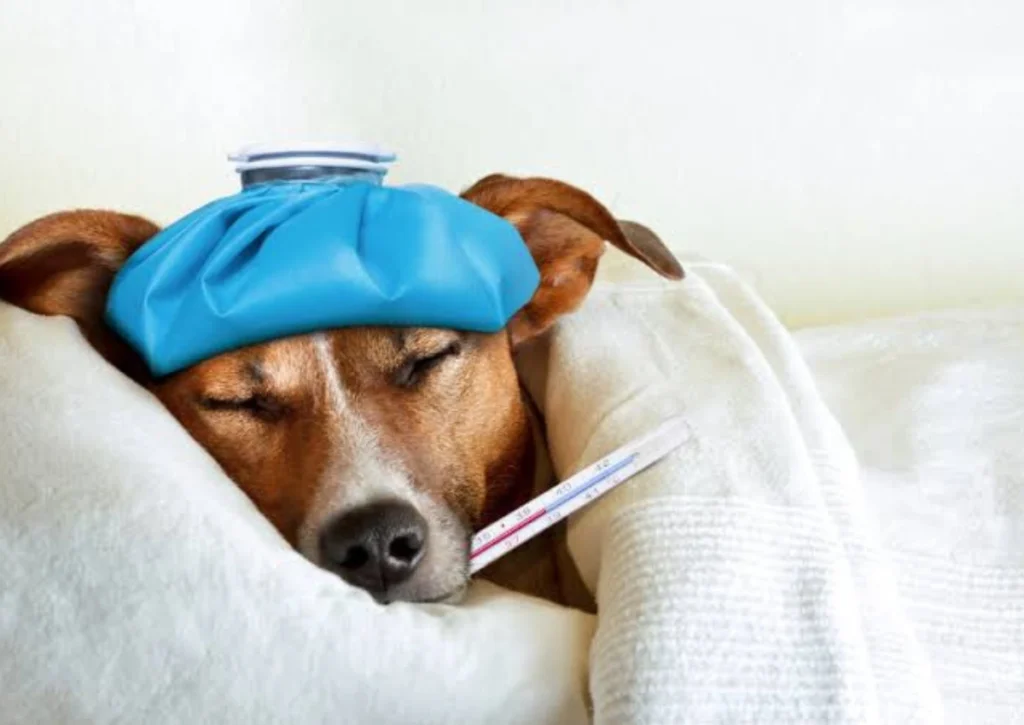
Observation is one of the most important parts of caring for a sick pet at home because symptoms can change quickly, sometimes within hours rather than days. Unlike humans, pets cannot explain pain, nausea, weakness, dizziness, breathing difficulty, or emotional discomfort verbally, which means owners must rely heavily on behavioural and physical changes to understand how the body is responding during illness. What makes monitoring especially important is that small changes often appear before severe complications become obvious. Careful observation, therefore, helps identify whether recovery is progressing normally or whether the condition is beginning to worsen internally.
Track Energy, Movement, and Physical Stability
Changes in energy levels often provide some of the clearest clues about how seriously illness is affecting the body. A pet becoming progressively weaker, less responsive, unusually tired, or physically unstable may indicate that the body is struggling much more than it initially appeared. Movement patterns are especially important to observe because many sick pets instinctively hide discomfort unless movement becomes difficult. Pay attention to walking speed, posture, balance, coordination, stiffness, willingness to stand, and overall physical confidence. A pet that suddenly struggles climbing stairs, collapses while walking, refuses movement, or appears unsteady may be experiencing worsening weakness, dehydration, pain, neurological issues, or severe fatigue.
Another important detail is that weakness often develops gradually rather than dramatically. Some sick pets simply begin sleeping more, moving more slowly, or showing less interest in activity before more obvious symptoms appear. Because these changes happen subtly, owners sometimes mistake them for normal tiredness instead of recognising them as signs of declining physical stability. Posture also matters during illness. Hunched positioning, repeated stretching, tension in the abdomen, neck extension during breathing, or constantly shifting resting positions may indicate discomfort, nausea, pain, or respiratory distress. Small physical adjustments often reveal internal discomfort long before obvious emergencies develop.
Monitor Breathing Carefully
Breathing changes are among the most important symptoms to monitor because respiratory problems can worsen rapidly and become dangerous much faster than many owners expect. Sick pets sometimes hide breathing difficulty surprisingly well during early stages, which means subtle respiratory changes should always be taken seriously. Rapid breathing, exaggerated chest movement, wheezing, coughing, nasal discharge, noisy breathing, visible effort while inhaling, or open-mouth breathing in cats may all indicate respiratory stress requiring immediate attention. Cats, especially, should rarely breathe through an open mouth during rest, so this symptom should always be considered serious.
Another important detail is that breathing problems do not always appear dramatic initially. Some pets simply become quieter, avoid movement, sleep sitting upright, stretch the neck forward while resting, or seem unwilling to lie fully down because certain positions make breathing harder. Illnesses affecting the lungs, heart, airway, fever levels, pain response, or oxygen balance may all change breathing patterns. Even dehydration or severe weakness sometimes affects respiratory effort because the body struggles to maintain normal circulation and energy balance.
Watch for Worsening or New Symptoms
One of the biggest challenges during home care is recognising when symptoms are no longer stable and professional medical intervention becomes necessary. Many illnesses fluctuate naturally, but symptoms that progressively worsen, spread to other body systems, or fail to improve over expected timeframes often indicate deeper complications developing internally. Vomiting, diarrhoea, seizures, dehydration, confusion, severe lethargy, uncontrolled pain, bleeding, collapse, fever, worsening weakness, or complete refusal to eat are all important warning signs requiring careful attention.
What many owners underestimate is how quickly small symptoms can escalate once the body becomes overwhelmed. Mild vomiting may eventually lead to severe dehydration, weakness may progress into collapse, or reduced appetite may evolve into a dangerous metabolic imbalance if illness continues untreated. Another important point is that behavioural changes often reveal worsening illness before physical symptoms become extreme. Increased hiding, emotional withdrawal, unusual aggression, confusion, restlessness, vocalisation, or sudden clinginess may all reflect increasing discomfort or physical instability internally.
Emotional Support Helps More Than Many Owners Realise

Physical care is extremely important during illness, but emotional support also plays a major role in how safe, stable, and comfortable a sick pet feels while recovering. Sick pets often become emotionally vulnerable because illness changes energy levels, physical comfort, routine, confidence, and stress tolerance simultaneously. During this time, familiar people, predictable interaction, and emotional reassurance become deeply important sources of stability. What many owners overlook is that emotional stress itself affects appetite, sleep quality, immune function, digestion, and overall recovery speed, which means emotional support is not separate from physical healing, it directly contributes to it.
Calm Presence Reduces Anxiety
Pets are extremely sensitive to human tone, body language, movement, and emotional energy. During illness, many animals become even more emotionally aware because they rely more heavily on familiar people for safety and reassurance while feeling physically vulnerable. A calm presence helps reduce stress signals and creates emotional stability, while panic, excessive worry, loud reactions, or constant nervous handling may unintentionally increase anxiety. Some owners repeatedly check, reposition, or stimulate the sick pet because they feel worried, but excessive attention sometimes overwhelms sick animals rather than comforting them. What matters most is steady reassurance. Sitting nearby quietly, speaking softly, maintaining gentle routines, and creating a calm atmosphere often helps pets feel safer than constant physical interaction.
Gentle Interaction Builds Security
Different pets respond differently during illness. Some seek closeness constantly and become more affectionate or dependent, while others prefer more personal space and quiet isolation while recovering. Respecting these emotional preferences is extremely important because forcing interaction may increase stress instead of providing comfort. Some sick pets feel safest simply knowing you are nearby without needing constant touch or stimulation. Others may benefit from gentle petting, calm reassurance, or quiet companionship. Observing how the pet responds emotionally helps determine what type of interaction feels supportive rather than overwhelming.
What many owners misunderstand is that emotional withdrawal during illness does not always mean the pet wants to be ignored completely. Some animals isolate because they feel weak or vulnerable, but still feel reassured by the familiar presence and predictable care nearby. Another important detail is that illness often lowers tolerance for handling. Pets experiencing pain, nausea, weakness, or fatigue may become sensitive to excessive touching, loud affection, or physical restraint, even if they are normally social animals. Gentle, respectful interaction helps maintain trust and emotional security during vulnerable periods.
Routine Provides Emotional Stability

Illness naturally disrupts normal life, but maintaining as much routine consistency as possible helps reduce emotional stress significantly. Predictable feeding times, familiar sleeping areas, regular gentle interaction, and stable household rhythms help pets feel more secure during recovery. Cats especially depend heavily on environmental consistency and may become more anxious when routines suddenly change completely. Dogs also rely strongly on familiar patterns because predictability reduces uncertainty and stress internally.
However, maintaining routine does not mean forcing normal activity levels. Sick pets still need additional rest and reduced stimulation. The goal is to preserve familiarity while adjusting physical demands appropriately. What many owners overlook is that emotional stability supports physical healing indirectly. Pets experiencing less stress often sleep better, maintain their appetite more effectively, regulate their hormones more efficiently, and recover with less physical strain overall.
When Home Care Is Not Enough
Supportive home care can make a major difference in helping sick pets recover comfortably, but it is equally important to recognise when illness has progressed beyond what can safely be managed at home. One of the biggest risks during home treatment is assuming that rest, hydration, or monitoring alone will eventually solve a condition that actually requires urgent medical intervention. Pets often hide pain and weakness extremely well, which means by the time symptoms become obviously severe, the body may already be under significant physical stress internally. Understanding when professional veterinary care becomes necessary is therefore just as important as providing comfort and support at home.
Severe Symptoms Require Immediate Veterinary Care
Certain symptoms should never be monitored casually at home because they may become life-threatening very quickly. Difficulty breathing, collapse, seizures, inability to stand, uncontrolled bleeding, severe vomiting, persistent diarrhoea, extreme weakness, sudden paralysis, or severe dehydration all require urgent veterinary attention.
Breathing difficulties are especially serious because oxygen balance affects every major organ system in the body. A pet struggling to breathe, breathing rapidly while resting, extending the neck repeatedly, or showing open-mouth breathing, particularly in cats, may deteriorate much faster than owners expect. Respiratory distress should always be treated as an emergency. Persistent vomiting and diarrhoea also become dangerous quickly because fluid and electrolyte loss places enormous stress on circulation, kidneys, and overall metabolic balance. Even if the original illness appears minor initially, ongoing fluid loss may rapidly lead to dehydration and physical instability.
Symptoms Lasting Too Long Need Evaluation
Not every illness appears dramatic immediately. Some conditions progress slowly and quietly, which is why persistent symptoms should still be taken seriously even if they seem “manageable” day-to-day. Appetite loss lasting more than expected, ongoing lethargy, repeated vomiting, chronic diarrhoea, worsening weakness, persistent coughing, continued pain, or gradual weight loss may all indicate deeper illness requiring medical diagnosis. Even when symptoms fluctuate, lack of consistent improvement usually suggests that the body is struggling to recover fully on its own.
Long-term mild symptoms can also become dangerous because chronic stress on the body gradually weakens immune function, nutritional balance, muscle condition, hydration, and organ stability over time. Conditions such as kidney disease, diabetes, infections, digestive illness, dental disease, or chronic inflammation often begin subtly before progressing more seriously.
Trust Behavioural and Emotional Changes
Owners often notice subtle behavioural changes before obvious physical symptoms become severe. A sick pet suddenly seeming emotionally “different,” unusually withdrawn, restless, confused, clingy, irritable, or disconnected from normal routines may be showing signs that the body is under greater stress than externally visible symptoms suggest because pets cannot verbally communicate discomfort; behaviour becomes one of the most important indicators of internal wellbeing. A normally social dog avoiding interaction, a cat hiding continuously, or a pet suddenly losing interest in surroundings often signals physical discomfort, pain, nausea, weakness, or emotional distress connected to illness.
Behavioural deterioration combined with appetite changes, weakness, breathing differences, or hydration problems usually indicates that the illness is affecting the pet more significantly than it first appeared. The goal is not to become fearful over every small behaviour change, but to understand that emotional and behavioural shifts are often part of the body’s early warning system during illness.
Final Thoughts
Understanding how to care for a sick pet at home is not simply about providing medication or temporary comfort; it is about supporting the body physically and emotionally while recovery takes place internally. Illness affects much more than visible symptoms alone. Appetite, hydration, sleep quality, digestion, emotional stability, stress tolerance, energy levels, and overall physical resilience all change significantly when the body is trying to heal.
At the same time, good home care also means recognising limitations. Some illnesses improve with monitoring and supportive care, while others require immediate medical intervention to prevent serious complications. Understanding when the body needs professional help is therefore just as important as providing comfort at home.

yespaws
Recent Posts
-
 How to Manage Pets in Small Apartments September 12, 2026
 -
 Indoor Games to Keep Pets Active September 11, 2026
 -
 How Much Exercise Does Your Dog Really Need September 10, 2026
 -
 First-Time Cat Owner? Here’s How to Groom Your Cat Safely September 9, 2026
 -
 Safety Tips for Night Walks with Dogs September 8, 2026