First-Time Cat Owner? Here’s How to Groom Your Cat Safely
Bringing home your first cat is an exciting milestone, but it also comes with a learning curve, and grooming is often one of the more intimidating parts for new owners. Unlike dogs, cats have a reputation for being independent groomers, which sometimes leads new owners to assume grooming isn’t really necessary. In reality, while cats do handle much of their own coat maintenance, they still benefit significantly from regular, gentle grooming support from their owners, and learning to do this safely and comfortably is an important part of responsible cat care.
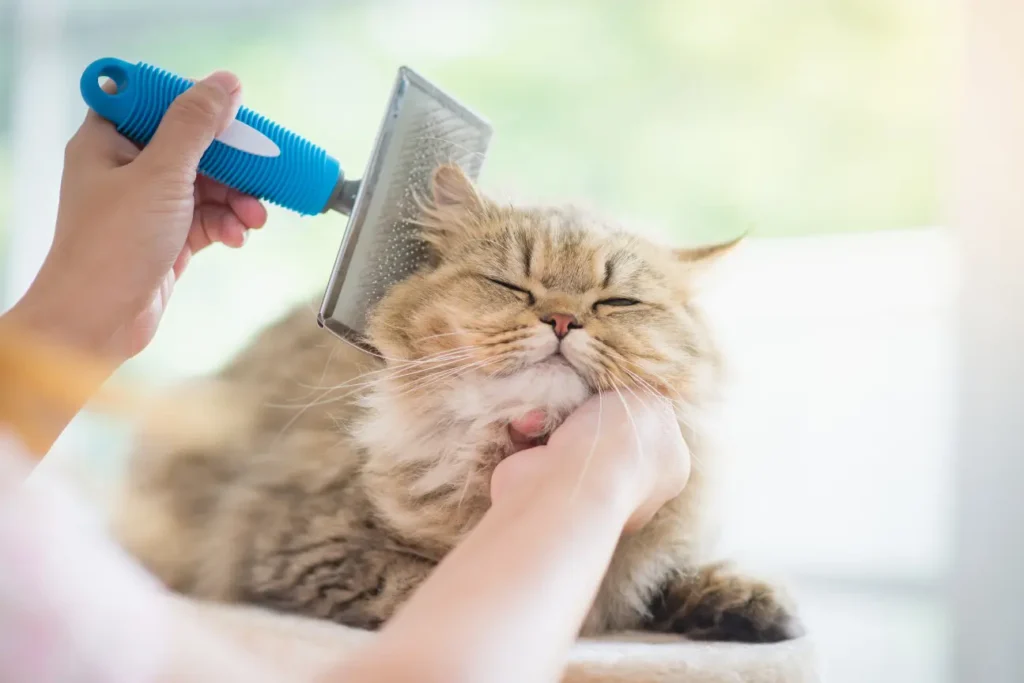
Whether your cat tolerates grooming with ease or seems to view every brush stroke as a personal offense, understanding the right techniques, tools, and approach can transform grooming from a stressful ordeal into a positive bonding experience. This guide walks first-time cat owners through everything they need to know to groom their cat safely and confidently.
Why Grooming Matters, Even for Self-Cleaning Cats
Cats are famously meticulous self-groomers, spending a significant portion of their waking hours cleaning themselves with their rough, specialized tongues. However, self-grooming alone doesn’t fully cover everything a cat needs for optimal coat and skin health.
Regular owner-assisted grooming helps with:
- Reducing loose fur and minimizing hairballs
- Preventing matting, particularly in long-haired breeds
- Distributing natural skin oils evenly through the coat
- Allowing early detection of skin issues, lumps, parasites, or injuries
- Reducing shedding around the home
- Strengthening the bond between cat and owner through positive physical interaction
For senior cats, overweight cats, or those with mobility issues, grooming becomes even more essential, since these cats often struggle to reach and maintain certain areas of their body effectively on their own.
Building a Positive Association From the Start
Start Slowly and Keep Sessions Short
For a first-time cat owner, one of the most important principles is patience. Rushing into full grooming sessions before your cat has built trust and comfort with the process often backfires, creating anxiety or resistance that becomes harder to overcome later. Begin with very short sessions, sometimes just a minute or two, gradually increasing duration as your cat becomes more comfortable.
Choose a Calm, Quiet Time
Select a moment when your cat is naturally relaxed, perhaps after a meal or during a typical rest period, rather than when they’re highly energetic or freshly startled by household activity. A calm starting point significantly increases the chances of a positive grooming experience.
Use Positive Reinforcement
Pairing grooming sessions with treats, gentle praise, or favorite activities helps your cat build positive associations with the process over time. Many cats respond well to a treat immediately following a grooming session, gradually learning to anticipate something enjoyable rather than something stressful.
Let Your Cat Get Familiar With Tools First
Before diving into active grooming, allow your cat to sniff and investigate brushes, combs, or clippers at their own pace. This simple step reduces the element of surprise and helps prevent an immediate startled or defensive reaction when the tool is actually used.
Essential Grooming Tools for New Cat Owners
Brushes and Combs
Different coat types require different tools:
- Slicker brushes work well for most coat types, helping remove loose fur and prevent mild tangling
- Wide-tooth combs are particularly useful for long-haired cats, helping work through more significant tangles gently
- Rubber grooming mitts offer a gentler introduction for cats who are particularly sensitive or resistant to traditional brushes, since the sensation feels more like petting
Nail Clippers
Cat-specific nail clippers, either scissor-style or guillotine-style, designed specifically for a cat’s smaller, curved nails, are essential for safe and effective trimming.
Grooming Wipes
Pet-safe grooming wipes can help address minor cleaning needs between full grooming sessions, useful for wiping paws after outdoor access or gently cleaning around the face.
Cat-Safe Shampoo
While baths aren’t a regular necessity for most cats, having a gentle, cat-specific shampoo on hand is useful for the occasional situation where a bath becomes necessary, such as exposure to something sticky, toxic, or otherwise unsafe to simply lick off.
Brushing: The Foundation of Regular Grooming
How Often to Brush
Brushing frequency depends significantly on coat type:
- Short-haired cats typically benefit from brushing once or twice a week
- Long-haired cats often need brushing several times a week, sometimes daily, to prevent matting and tangling
Proper Brushing Technique
Always brush in the direction of hair growth, using gentle, even strokes rather than aggressive pulling, particularly around sensitive areas like the belly, legs, and tail. Pay close attention to your cat’s body language throughout, if they show signs of discomfort or irritation, pause and reassess your approach or the specific area being brushed.
Areas That Need Extra Attention
Long-haired cats in particular are prone to matting in specific areas, including behind the ears, under the front legs (armpits), around the belly, and near the base of the tail. These areas deserve careful, gentle attention during regular brushing sessions to prevent mats from forming in the first place, since established mats can be uncomfortable and sometimes require professional removal.
Nail Trimming: A Gentle, Gradual Process
Why Regular Trimming Matters
Overly long nails can become uncomfortable for your cat, catch on fabric or carpet, or in severe cases, curl and grow into the paw pad. Regular trimming, roughly every two to three weeks for most cats, helps prevent these issues while also reducing the risk of scratches to household members or furniture.
Getting Your Cat Comfortable With Paw Handling
Before attempting actual nail trimming, spend time simply handling and gently massaging your cat’s paws during calm moments, without any clipping involved. This builds tolerance and comfort, making the actual trimming process significantly less stressful once you begin.
Safe Trimming Technique
Gently press on the paw pad to extend the claw, and trim only the sharp tip, avoiding the pink area visible in lighter-colored nails, known as the quick, which contains nerves and blood vessels. If you accidentally cut too close and cause bleeding, a pet-safe styptic powder can help stop it quickly; keep this on hand during trimming sessions just in case.
Trim a Few Nails at a Time if Needed
For first-time cat owners, or particularly resistant cats, it’s perfectly reasonable to trim just a few nails per session rather than attempting all of them at once. Gradual progress, paired with positive reinforcement, tends to be more successful than forcing a complete trim in a single sitting.
Bathing: When and How It’s Actually Necessary
Most Cats Don’t Need Regular Baths
Thanks to their efficient self-grooming abilities, most cats don’t require regular bathing. Exceptions include cats who get into something sticky, oily, or toxic, certain skin conditions requiring medicated baths, or hairless breeds that lack the coat to naturally manage skin oils.
If a Bath Is Necessary
- Use lukewarm water and a cat-specific shampoo
- Have everything prepared in advance, towels, shampoo, and a non-slip surface in the sink or tub, to minimize the time your cat spends in an unfamiliar, uncomfortable situation
- Support your cat firmly but gently, avoiding a tight grip that could increase anxiety
- Rinse thoroughly to avoid residue that could irritate the skin
- Dry your cat with a soft towel, and if they tolerate it, a low, cool setting on a pet-safe blow dryer
Handling Ears and Eyes Safely
Ear Care
Check your cat’s ears periodically for excess wax, redness, or odor. If cleaning is needed, use a vet-approved ear cleaning solution and a cotton ball, never a cotton swab, which can push debris deeper into the ear canal or cause injury.
Eye Care
Gently wipe away any minor discharge around the eyes using a soft, damp cloth. Persistent discharge, redness, or apparent discomfort should be evaluated by a veterinarian rather than managed through home grooming alone.
Recognizing When Grooming Needs Professional Help
While most basic grooming can be handled confidently at home, certain situations warrant professional assistance:
- Severe matting that can’t be gently worked through with a comb, since attempting to cut out mats yourself risks accidentally injuring your cat’s skin
- Persistent resistance or stress that doesn’t improve with gradual, positive reinforcement techniques
- Nail trimming difficulties, particularly for cats who become highly agitated, where a professional groomer or veterinary technician can handle the process more efficiently and safely
There’s no shame in seeking professional grooming support, particularly as a first-time owner still building confidence and skill in handling grooming tasks safely.
Signs Something Might Be Wrong During Grooming
Grooming sessions offer a valuable opportunity to check your cat’s overall health. Watch for:
- Unusual lumps or bumps beneath the skin
- Signs of pain or sensitivity in specific areas
- Excessive scratching or hair loss
- Skin redness, scabs, or unusual odor
- Fleas or flea dirt, small dark specks in the fur
If you notice any of these signs, a veterinary checkup is a reasonable next step, since early detection often leads to simpler, more effective treatment.
Building Confidence Over Time
As a first-time cat owner, it’s completely normal to feel unsure or even a little nervous about grooming initially. Confidence builds naturally with practice, patience, and a consistent, gentle approach. Over time, most cats come to accept, and many genuinely enjoy, regular grooming sessions, especially when they’re consistently paired with calm energy, gentle handling, and positive reinforcement.
Turning Grooming Into Quality Bonding Time
Grooming your cat safely isn’t just about maintaining their coat and health, it’s an opportunity to build trust and strengthen your relationship during those early months of cat ownership. With the right tools, a patient approach, and a willingness to go at your cat’s pace, grooming can become a comfortable, even enjoyable, part of your regular routine together, one that benefits both your cat’s wellbeing and the bond you’re building as a new, confident cat owner.

yespaws
Recent Posts
-
 How to Manage Pets in Small Apartments September 12, 2026
 -
 Indoor Games to Keep Pets Active September 11, 2026
 -
 How Much Exercise Does Your Dog Really Need September 10, 2026
 -
 Safety Tips for Night Walks with Dogs September 8, 2026
 -
 Why Cats Love Boxes So Much September 7, 2026