How Much Exercise Does Your Dog Really Need
“How long should I walk my dog?” is one of the most common questions new and experienced owners alike find themselves searching for, and it’s rarely as simple as a single, universal answer. A high-energy Border Collie and a laid-back Bulldog have wildly different exercise requirements, and even two dogs of the same breed can have different needs depending on age, health, and individual temperament.
Getting exercise right matters more than many owners realize. Too little activity can lead to weight gain, behavioral issues, and reduced overall wellbeing, while too much, particularly for puppies or senior dogs, can cause joint strain or exhaustion. This guide breaks down how to determine the right amount of exercise for your specific dog, factoring in breed, age, health, and individual personality.
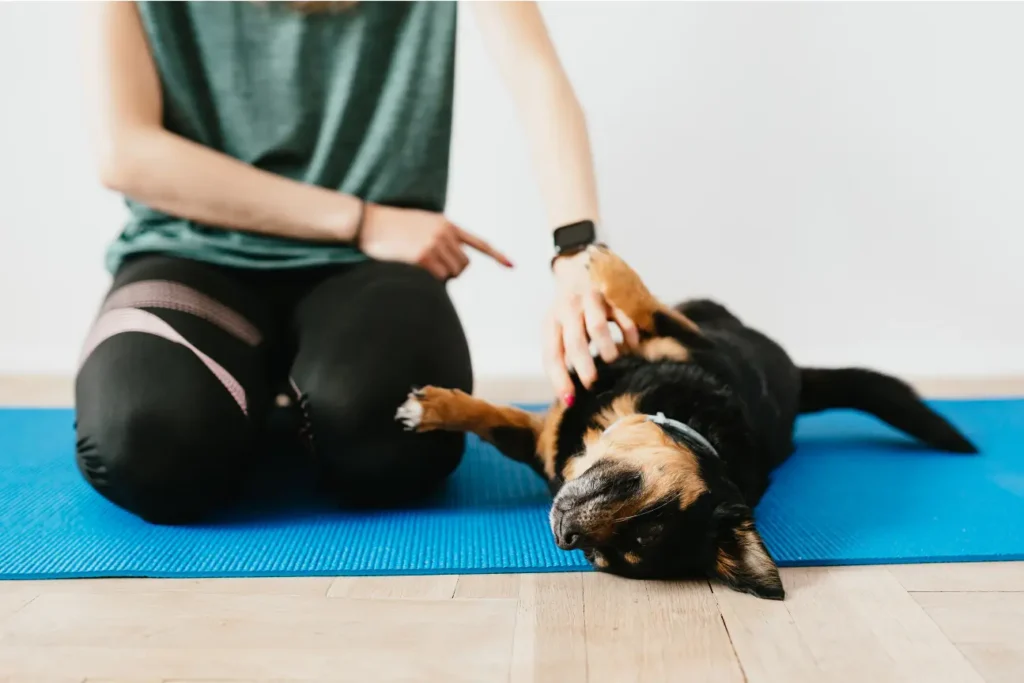
Why Exercise Matters Beyond Just Physical Health
Exercise plays a role in far more than simply keeping your dog physically fit. Regular activity supports:
- Mental stimulation, reducing boredom-related behaviors like destructive chewing or excessive barking
- Healthy weight management, reducing strain on joints and lowering risk of obesity-related health issues
- Better sleep and reduced anxiety, since physical exertion often helps regulate a dog’s overall stress levels
- Stronger bonding, particularly through interactive activities like walks, fetch, or training sessions
- Improved cardiovascular and muscular health, supporting long-term wellbeing
Understanding that exercise serves multiple purposes helps clarify why simply letting a dog out into a yard alone often isn’t a sufficient substitute for more active, engaged exercise.
General Exercise Guidelines by Energy Level
While individual needs vary, breeds are often grouped into general energy categories that offer a useful starting point.
Low-Energy Breeds
Breeds like Bulldogs, Basset Hounds, Shih Tzus, and Pekingese typically need around 30 minutes of exercise per day, often split into shorter walks or play sessions. These breeds are more prone to overheating or joint strain, so shorter, more frequent activity generally works better than one long session.
Moderate-Energy Breeds
Breeds such as Beagles, Cocker Spaniels, and many mixed-breed dogs generally benefit from 45 minutes to an hour of daily exercise, combining walks with some form of active play or mental engagement.
High-Energy Breeds
Working and sporting breeds, including Border Collies, Labrador Retrievers, Australian Shepherds, and German Shepherds, often require an hour or more of vigorous exercise daily. These breeds were bred for demanding physical work, and without adequate outlets, they frequently develop behavioral issues stemming from pent-up energy.
Very High-Energy Breeds
Some working and sporting breeds, such as Huskies, Vizslas, and certain herding breed mixes, may need well beyond an hour of intense exercise, sometimes benefiting from structured activities like running, hiking, or dog sports in addition to standard walks.
These categories offer a helpful starting point, but they shouldn’t be treated as rigid rules, since individual variation within breeds can be significant.
Factors That Influence Exercise Needs
Age
Puppies have bursts of high energy but tire quickly, and their developing joints and bones make excessive, high-impact exercise potentially harmful. A general guideline suggests roughly five minutes of structured exercise per month of age, twice daily, though puppies also benefit enormously from unstructured play and mental stimulation throughout the day.
Adult dogs in their prime years typically have the highest sustained exercise capacity, generally aligning closely with their breed’s typical energy level.
Senior dogs often need reduced intensity, though not necessarily reduced frequency. Shorter, more frequent walks, along with lower-impact activities like swimming, often suit aging joints better than long, strenuous exercise sessions.
Breed Size
Larger breeds generally require more overall exercise volume, but they’re also more prone to joint issues, particularly in their growing years, making careful moderation important, especially during puppyhood. Smaller breeds may need less overall distance but can still benefit from equally engaging, if shorter, exercise sessions.
Health Conditions
Dogs with joint issues, heart conditions, respiratory challenges (particularly brachycephalic or flat-faced breeds), or other health concerns often require modified exercise routines. Consulting your veterinarian for guidance tailored to your dog’s specific health status ensures exercise supports rather than compromises their wellbeing.
Individual Personality
Just as with humans, individual dogs vary in their natural energy levels and enthusiasm for activity, sometimes regardless of typical breed expectations. Paying attention to your specific dog’s cues, energy levels, and preferences often provides more accurate guidance than breed generalizations alone.
Signs Your Dog Isn’t Getting Enough Exercise
Recognizing under-exercise is often easier through behavioral signs than through any strict formula:
- Excessive barking or whining, particularly out of apparent boredom
- Destructive chewing or digging
- Restlessness, especially in the evening
- Difficulty settling down or relaxing
- Weight gain
- Attention-seeking behavior that seems disproportionate to normal interaction
- Hyperactivity or apparent “zoomies” that seem to reflect pent-up energy rather than simple playfulness
If these behaviors sound familiar, gradually increasing exercise duration or intensity, while monitoring your dog’s response, often leads to noticeable behavioral improvement within a few weeks.
Signs Your Dog Might Be Getting Too Much Exercise
While less common, over-exercising is a genuine risk, particularly for puppies, senior dogs, or breeds prone to joint or respiratory issues.
- Excessive panting or difficulty catching their breath during or after activity
- Limping or reluctance to continue moving
- Noticeable fatigue that lasts unusually long after exercise
- Reluctance to engage in normal activity the following day
- Signs of joint stiffness or discomfort, particularly in larger or senior dogs
If you notice these signs, scaling back intensity or duration, and consulting your veterinarian if symptoms persist, helps ensure exercise remains a benefit rather than a strain.
Types of Exercise Beyond Walking
While walks form the foundation of most dogs’ exercise routines, variety often provides more comprehensive physical and mental benefits.
Fetch and Retrieving Games
High-intensity but relatively short in duration, fetch provides excellent cardiovascular exercise, particularly useful for high-energy breeds in more limited spaces like a backyard.
Swimming
An excellent low-impact option, particularly beneficial for senior dogs or those with joint issues, since water supports body weight while still providing genuine cardiovascular exercise.
Hiking
For active owners, hiking combines physical exercise with valuable mental stimulation through varied terrain, scents, and environmental exploration, often more satisfying for dogs than repetitive, flat walking routes.
Structured Training Sessions
Mental exercise through training, whether basic obedience or more advanced tricks, provides valuable stimulation that complements physical activity, particularly useful for high-energy or intelligent breeds prone to boredom.
Puzzle Toys and Enrichment Activities
While not a replacement for physical exercise, mentally engaging toys and activities provide meaningful supplementary stimulation, particularly valuable on days when weather or scheduling limits outdoor activity.
Dog Sports
Activities like agility, flyball, or dock diving offer structured, high-engagement exercise options for particularly active dogs and owners looking for more than standard walks and play can provide.
Building an Exercise Routine That Fits Your Lifestyle
Start With Realistic Assessment
Rather than starting with rigid, breed-based guidelines alone, honestly assess your own schedule, energy level, and available resources, then match your dog’s exercise plan to something genuinely sustainable for your household long-term.
Combine Structured and Unstructured Activity
A mix of dedicated walks or active play sessions, alongside more casual, unstructured time (like supervised yard access), often provides a well-rounded approach that doesn’t rely entirely on one single form of exercise.
Adjust for Weather and Seasons
Extreme heat or cold requires modified exercise approaches, shorter, more frequent sessions during hot weather, protective gear during cold conditions, and indoor mental stimulation alternatives when outdoor activity isn’t safe or practical.
Be Consistent
Dogs generally thrive with predictable routines, so maintaining reasonably consistent exercise timing and duration, even on busier days, helps support both physical health and behavioral stability over time.
When to Consult a Professional
If you’re uncertain about the right exercise level for your specific dog, particularly given health conditions, age, or unusual breed combinations, consulting your veterinarian offers personalized guidance based on your dog’s individual health profile. Professional dog trainers or canine fitness specialists can also offer valuable insight for owners looking to build more structured, goal-oriented exercise routines.
Quality Matters as Much as Quantity
While duration and intensity matter, the quality of engagement during exercise often matters just as much. A dog dragged through a distracted, phone-scrolling walk gets considerably less genuine benefit than one engaged in an attentive, interactive walk or play session, even if the time spent is similar. Prioritizing genuine engagement, rather than simply logging minutes, often leads to better outcomes for both physical health and behavior.
Finding the Right Balance for Your Dog
Determining how much exercise your dog really needs comes down to a thoughtful combination of breed tendencies, age, health status, and individual personality, rather than a single universal number. Paying close attention to your dog’s behavior and energy levels offers valuable, ongoing feedback that helps fine-tune their routine over time. With the right balance in place, consistent, appropriately matched exercise supports not just physical health, but emotional wellbeing and behavior too, helping your dog live a genuinely happy, balanced life by your side.

yespaws
Recent Posts
-
 How to Manage Pets in Small Apartments September 12, 2026
 -
 Indoor Games to Keep Pets Active September 11, 2026
 -
 First-Time Cat Owner? Here’s How to Groom Your Cat Safely September 9, 2026
 -
 Safety Tips for Night Walks with Dogs September 8, 2026
 -
 Why Cats Love Boxes So Much September 7, 2026