Common Cat Health Problems and Their Early Symptoms
Cats are masters at hiding illness and pain. This survival instinct, inherited from their wild ancestors, means that by the time your cat shows obvious signs of being unwell, the problem has often progressed significantly. Understanding the early symptoms of common cat health problems can literally save your cat’s life and prevent unnecessary suffering. As a cat owner in India, where veterinary care accessibility varies greatly between urban and rural areas, recognizing these early warning signs becomes even more critical. This comprehensive guide will walk you through the most common health problems affecting cats, their early symptoms that you might easily miss, and what each symptom means for your cat’s health.
Chronic Kidney Disease: The Silent Killer
Chronic kidney disease (CKD) is one of the most common health problems in cats, particularly affecting middle-aged and senior cats. Studies suggest that approximately 30-40% of cats over 10 years of age have some degree of kidney disease. The kidneys perform essential functions including filtering waste products from blood, regulating hydration and electrolyte balance, producing hormones that control blood pressure, and stimulating red blood cell production. When kidneys fail, these critical functions deteriorate, leading to a cascade of health problems.
The insidious nature of kidney disease lies in the fact that cats typically don’t show symptoms until 70-75% of kidney function is already lost. By this point, the damage is irreversible, though progression can often be slowed with appropriate treatment. This makes recognizing early symptoms absolutely critical for the best possible outcome.
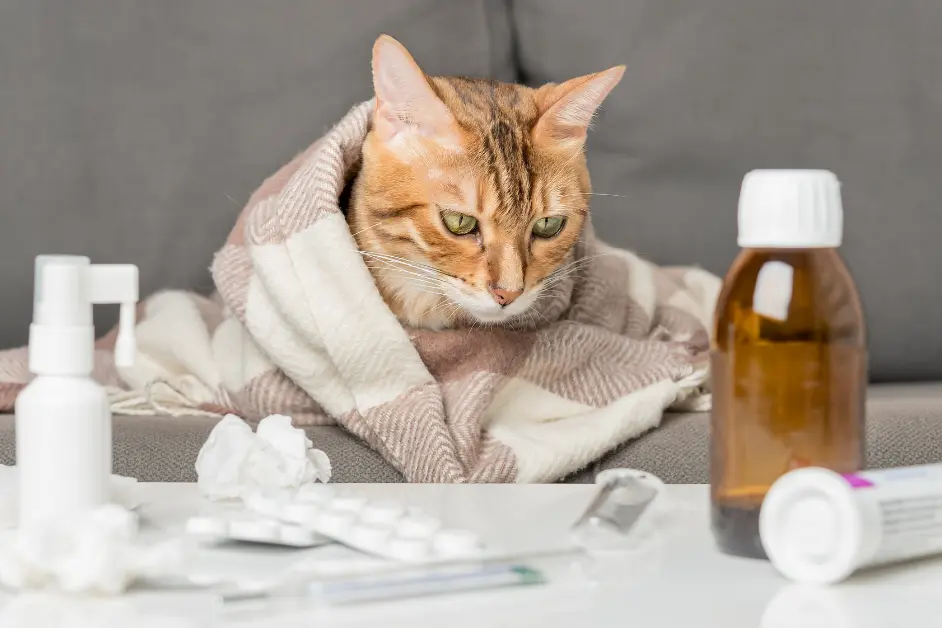
Early symptoms of kidney disease include:
Increased thirst and urination are often the very first signs, though they’re frequently missed or attributed to hot weather, especially in India’s climate. You might notice your cat drinking from the water bowl more frequently, seeking out unusual water sources like dripping taps or even toilet bowls, or their water bowl emptying faster than usual. The corresponding increase in urination means larger clumps in the litter box, more frequent litter box visits, or even accidents outside the litter box because they can’t hold it as long as before. In India’s hot climate, distinguishing between normal increased drinking due to heat versus pathological thirst can be challenging, but if your air-conditioned indoor cat suddenly starts drinking significantly more water, this warrants investigation.
Weight loss develops gradually, often so slowly that you don’t notice until it’s significant. Cats with early kidney disease maintain normal appetite initially, making the weight loss puzzling. Run your hands along your cat’s spine and ribs weekly—you should feel slight padding over the bones. If bones become more prominent over time, even if your cat is eating normally, this suggests a problem requiring veterinary attention.
Decreased appetite and pickiness develop as kidney disease progresses. Your cat might show interest in food but eat only small amounts, turn away from previously loved foods, or show preference for specific textures or flavors. This pickiness results from nausea caused by toxin buildup in the blood that healthy kidneys would normally filter out.
Lethargy and decreased activity manifest as sleeping more than usual, less interest in play or interaction, reluctance to jump or climb to favorite high spots, and general reduction in engagement with household activities. Senior cats naturally slow down, but kidney disease accelerates this decline noticeably.
Poor coat condition appears because cats feel too unwell to groom properly. The coat becomes dull, greasy, or matted, particularly along the back and hindquarters that require flexibility to groom. A cat that previously groomed meticulously suddenly neglecting their coat is always a red flag for illness.
Bad breath develops in kidney disease due to uremia—the buildup of urea and other waste products in the blood. The breath may smell unusually strong, ammonia-like, or chemical. This differs from the typical “cat food breath” and is often one of the earlier signs owners notice.
Why this matters: Kidney disease cannot be cured, but early detection allows for management that significantly extends both lifespan and quality of life. Dietary changes to reduce kidney workload, medications to control symptoms, subcutaneous fluid therapy to maintain hydration, and management of secondary problems like high blood pressure can keep cats comfortable and functional for months or even years after diagnosis. However, these interventions work best when started early, before severe damage occurs.
Diabetes Mellitus: The Growing Epidemic
Diabetes in cats is becoming increasingly common, particularly in urban India where sedentary indoor lifestyles and obesity rates among cats are rising. Diabetes occurs when the pancreas doesn’t produce enough insulin (Type 1, less common in cats) or when body cells become resistant to insulin’s effects (Type 2, much more common in cats). Insulin is necessary for cells to absorb glucose from the blood for energy. Without proper insulin function, glucose accumulates in the blood while cells starve for energy, creating the characteristic symptoms of diabetes.
Obesity is the primary risk factor for feline diabetes—fat tissue produces hormones that create insulin resistance. Indoor cats fed free-choice dry food, particularly in India where many owners leave bowls of kibble available constantly, face higher diabetes risk. Male cats and cats over 7 years of age also show increased susceptibility.
Early symptoms of diabetes include:
Increased thirst and urination are typically the first signs owners notice, similar to kidney disease. The mechanism differs though—high blood glucose levels spill into urine, pulling water with it through osmotic effect, leading to excessive urination that triggers compensatory increased drinking. You’ll notice the litter box becoming soaked with large amounts of urine, requiring more frequent changing. Water bowls empty quickly, and some cats even start drinking from unusual sources.
Increased appetite with weight loss is highly characteristic of diabetes and helps distinguish it from kidney disease. Your diabetic cat will seem ravenously hungry, begging for food constantly, cleaning their bowl immediately, and possibly stealing food or getting into garbage. Despite this increased eating, they lose weight because cells cannot access glucose for energy without proper insulin function. The body starts breaking down fat and muscle tissue for energy instead, causing weight loss despite excessive food intake. This combination—eating more but losing weight—should immediately prompt veterinary investigation.
Lethargy and weakness develop as cells become energy-starved. Your cat sleeps more, shows less interest in play, moves more slowly, and may seem generally depressed or unwell. In severe cases, weakness in the hind legs develops, causing a plantigrade stance where the cat walks on their hocks (ankles) rather than their toes, giving them a distinctive crouched appearance.
Poor coat condition results from both the general ill health caused by diabetes and the weakness that prevents proper grooming, particularly of hard-to-reach areas. The coat becomes dull, greasy, and may develop mats.
Recurrent urinary tract infections occur because glucose in the urine creates an excellent environment for bacterial growth. Signs include frequent litter box visits with small amounts of urine, straining to urinate, blood in urine, urinating outside the litter box, or excessive licking of the genital area.
Why this matters: Diabetes requires lifelong management with insulin injections, dietary modifications, and blood glucose monitoring. However, many cats with Type 2 diabetes can achieve remission if diagnosed early, treated aggressively with insulin and strict low-carbohydrate diet, and if weight loss is achieved. Early intervention dramatically improves remission chances. Unmanaged diabetes leads to serious complications including diabetic ketoacidosis (a life-threatening emergency), severe infections, cataracts, and diabetic neuropathy causing the characteristic hind leg weakness.
Hyperthyroidism: When the Thyroid Goes Into Overdrive
Hyperthyroidism is one of the most common hormonal disorders in cats, particularly affecting cats over 8 years of age. The thyroid gland, located in the neck, produces hormones that regulate metabolism. In hyperthyroidism, the thyroid becomes overactive (usually due to benign tumors), producing excessive thyroid hormone that speeds up all body processes to unhealthy levels. This condition is extremely common in senior cats but frequently goes undiagnosed for months because early symptoms are subtle or attributed to normal aging changes.
Early symptoms of hyperthyroidism include:
Increased appetite is often the first symptom, with cats becoming ravenously hungry and demanding food constantly. They may wake you at night for food, vocalize loudly near mealtimes, steal food, or beg persistently. Many owners initially view this increased appetite positively, thinking their senior cat is feeling more energetic and healthy, not realizing it indicates illness.
Weight loss despite increased eating develops because the elevated metabolism burns calories faster than the cat can consume them. This combination—eating much more than normal but still losing weight—is a hallmark of hyperthyroidism and should always trigger veterinary investigation. The weight loss is often gradual enough that owners don’t notice until feeling the cat reveals prominent spine, ribs, and hip bones despite the hearty appetite.
Hyperactivity and restlessness make the cat seem younger and more energetic, which owners sometimes interpret positively. However, this isn’t healthy energy—it’s metabolic overdrive. The cat may pace, seem unable to settle, vocalize excessively, have periods of frantic activity, show aggression or irritability, or demonstrate obsessive behaviors. In India, where cats often live in smaller apartments, this restless energy becomes particularly noticeable and disruptive.
Increased thirst and urination develop due to increased kidney blood flow and changes in how kidneys process fluids. This symptom overlaps with kidney disease and diabetes, highlighting why multiple conditions can’t be diagnosed based on symptoms alone—laboratory testing is essential.
Vomiting and diarrhea occur in many hyperthyroid cats as the accelerated gut motility leads to digestive upset. Cats may vomit undigested food shortly after eating, experience intermittent diarrhea, or have increased stool frequency. These gastrointestinal symptoms are often mistaken for food sensitivities or dietary indiscretion rather than recognized as signs of systemic disease.
Poor coat condition despite grooming occurs because the accelerated metabolism affects coat quality at the root level. The coat may become greasy, unkempt, or develop an unusual texture despite the cat’s grooming efforts.
Heart rate changes include noticeably rapid heartbeat, which you can sometimes feel when holding your cat against your chest. Some cats develop heart murmurs audible to veterinarians. The chronic elevated metabolism puts severe stress on the heart, potentially leading to hypertrophic cardiomyopathy and heart failure if left untreated.
Behavioral changes include increased vocalization (especially at night), irritability, restlessness, decreased tolerance for handling, and sometimes aggression. Senior cats who suddenly become “talkative” or start yowling at night often have hyperthyroidism.
Why this matters: Hyperthyroidism is highly treatable through medication (daily oral methimazole), radioactive iodine therapy (available at specialized veterinary centers in major Indian cities), surgical removal of affected thyroid tissue, or prescription low-iodine diets. Treatment can completely reverse symptoms and prevent the serious complications of untreated hyperthyroidism, including heart failure, high blood pressure, and progressive weight loss leading to severe debilitation. However, chronic untreated hyperthyroidism causes permanent heart damage and can mask underlying kidney disease, making early diagnosis and treatment crucial.
Dental Disease: The Overlooked Epidemic
Dental disease is perhaps the most common yet most overlooked health problem in cats. Studies suggest that over 70% of cats over 3 years of age have some degree of dental disease, and in India, where dental care for pets receives minimal attention, this percentage is likely even higher. Dental disease isn’t just about bad breath or yellow teeth—it causes genuine pain, affects eating, and creates systemic health problems when bacteria from infected teeth enter the bloodstream and damage heart, liver, and kidneys.
Dental disease progresses through stages, starting with plaque accumulation (soft film of bacteria), progressing to tartar formation (hardened plaque), then gingivitis (gum inflammation), and ultimately periodontitis (infection and bone loss around tooth roots). Cats also develop tooth resorption, a uniquely feline dental problem where the tooth structure breaks down from the inside, creating extremely painful lesions.
Early symptoms of dental disease include:
Bad breath (halitosis) is often the first sign owners notice. While cats don’t have naturally minty-fresh breath, healthy cat breath shouldn’t be offensive. If your cat’s breath smells noticeably bad, fishy, rotten, or makes you turn away when they yawn, dental disease is highly likely. Many Indian cat owners dismiss bad breath as normal or inevitable, but it’s actually a clear sign of bacterial infection in the mouth.
Difficulty eating or changed eating behaviors manifest in subtle ways that are easily missed. Your cat might approach food eagerly but then eat slowly, chew carefully on one side of the mouth, drop food while eating, prefer soft food over hard kibble, take food out of the bowl to eat it on the floor, swallow kibble whole without chewing, or leave meals partially uneaten. These behaviors indicate that eating causes pain or discomfort. Some cats continue eating despite severe pain because the hunger drive overcomes discomfort, so maintained appetite doesn’t rule out dental problems.
Drooling develops when dental pain prevents comfortable swallowing or when gum inflammation produces excess saliva. You might notice wetness around the mouth, on the chest, or on surfaces where your cat has been lying. In severe cases, the drool may be blood-tinged or have an unpleasant odor.
Pawing at the mouth or face indicates pain localized to the mouth. Your cat may rub their face on the floor, scratch at their mouth, shake their head, or show resistance to having their face touched. These are clear pain behaviors that should never be ignored.
Decreased grooming occurs because cats with mouth pain are less willing to groom, as grooming requires using the mouth to clean fur. The coat, particularly on the back and hindquarters, becomes unkempt, greasy, or matted.
Behavioral changes include increased irritability, withdrawal, decreased interaction, aggression when touched around the face, reluctance to play with toys requiring mouth use, and reduced vocalization (because it hurts to meow).
Visible tartar, red gums, or bleeding can be seen if you gently lift your cat’s lip. Healthy gums should be pink (or pigmented in some cats). Red, inflamed gums, especially along the tooth line, indicate gingivitis. Brown or yellow buildup on teeth is tartar. Any bleeding from gums is abnormal. Many Indian cat owners never look inside their cat’s mouth, missing obvious dental disease until it becomes severe.
Why this matters: Dental disease causes chronic pain that significantly diminishes quality of life. Cats suffer silently while eating, grooming, and existing with infected, painful teeth. The treatment—professional dental cleaning under anesthesia with extraction of damaged teeth—completely eliminates pain and dramatically improves wellbeing. Many owners report their cat becoming more playful, social, and energetic after dental treatment, behaviors they attributed to aging were actually pain responses. Additionally, the bacteria from dental infections circulate through the bloodstream, potentially causing or contributing to heart disease, kidney disease, and liver problems.
Lower Urinary Tract Disease (FLUTD): The Emergency Waiting to Happen
Feline Lower Urinary Tract Disease (FLUTD) is an umbrella term covering various conditions affecting the bladder and urethra, including urinary tract infections, bladder stones, idiopathic cystitis (inflammation without infection), and urethral obstruction. FLUTD is extremely common, affecting approximately 1-3% of cats annually, with higher rates in India possibly due to dietary factors and limited water intake in our climate.
FLUTD causes significant discomfort and, in the case of urethral obstruction (especially in male cats), can become life-threatening within 24-48 hours. Understanding early symptoms is critical because prompt treatment prevents both suffering and emergencies.
Early symptoms of FLUTD include:
Frequent trips to the litter box with small amounts of urine is often the earliest and most noticeable sign. Your cat visits the litter box repeatedly but produces only small amounts of urine each time, or goes through the motions without producing any urine. This differs from normal urination where cats typically produce decent amounts less frequently. The frequent attempts occur because bladder inflammation creates the sensation of needing to urinate even when the bladder is empty.
Straining to urinate appears as your cat squatting in the litter box for extended periods, visible abdominal effort while attempting to urinate, crying or vocalizing while in the box, or producing only dribbles despite effort. Many owners mistake this straining for constipation, particularly because cats may squat in similar positions for both urination and defecation. However, straining to urinate, especially in male cats, is an emergency requiring immediate veterinary care as it can indicate urethral obstruction.
Blood in urine (hematuria) appears as pink, red, or brown-tinged urine, or as small blood clots in the litter box. With clumping litter, you might notice red or pink-tinged clumps. Blood in urine always indicates inflammation or trauma to the urinary tract and requires investigation.
Urinating outside the litter box occurs because cats associate the litter box with pain and try to find places where urination might hurt less. They may urinate on cool surfaces like tile floors or bathtubs, on soft surfaces like beds or laundry, or in unusual locations. Many owners interpret this as behavioral or litter box aversion, punishing the cat or simply cleaning up, not recognizing it as a medical symptom. Any sudden onset of inappropriate urination should prompt medical evaluation before behavioral interventions.
Excessive licking of the genital area develops as cats try to relieve discomfort in the urethral area. You might catch your cat licking excessively after litter box use or notice the area appears wet or inflamed from constant licking.
Crying or vocalizing in the litter box indicates pain during urination. Cats may cry out when urinating, before or after using the box, or show general distress around elimination times.
Changes in urination behavior include finding unusual places to urinate, avoiding the litter box entirely, entering and exiting the box multiple times without urinating, or spending excessive time in the litter box.
Agitation, restlessness, or hiding reflect the discomfort and pain of FLUTD. Cats may pace, seem unable to settle, hide in unusual places, show uncharacteristic irritability, or demonstrate visible distress.
Why this matters: FLUTD requires prompt veterinary diagnosis to identify the specific cause and appropriate treatment. Urinary tract infections need antibiotics, bladder stones may require surgery or dissolution diets, and idiopathic cystitis responds to stress reduction, increased water intake, dietary changes, and sometimes pain medication. Most critically, urethral obstruction—most common in male cats—is a life-threatening emergency. A completely blocked cat cannot urinate at all, leading to toxin buildup, kidney failure, and death within 24-72 hours without treatment. Any male cat showing straining, frequent litter box visits with no urine production, or crying in distress needs emergency veterinary care immediately.
Chronic Gastrointestinal Issues: When Vomiting Isn’t Normal
Many cat owners accept occasional vomiting as normal cat behavior, particularly hairball-related vomiting. While cats do vomit hairballs occasionally, frequent vomiting indicates gastrointestinal problems requiring investigation. Chronic gastrointestinal issues in cats include inflammatory bowel disease (IBD), food allergies or sensitivities, parasites, chronic gastritis, pancreatitis, and sometimes intestinal lymphoma in older cats.
Early symptoms of chronic GI problems include:
Vomiting more than once or twice monthly exceeds normal frequency. If your cat vomits weekly, several times weekly, or daily, this indicates a problem regardless of whether they seem otherwise healthy. The vomiting may occur at specific times (morning, after eating, during night), may contain food, liquid, bile, or hairballs, and may be accompanied by retching or nausea behaviors like lip-licking and drooling before vomiting.
Changes in appetite manifest as decreased interest in food, pickiness about food that was previously enjoyed, eating small amounts frequently rather than full meals, or initially enthusiastic approach to food followed by eating very little. Some cats with GI issues actually show increased appetite, particularly if they’re vomiting food and therefore not absorbing nutrients properly.
Weight loss or poor weight gain develops gradually. In adult cats, even stable weight may indicate problems if muscle mass is being lost and replaced by fat, so monitoring body condition beyond just weight is important. Feel along your cat’s spine and ribs regularly—you should feel slight padding. Prominent bones or visible muscle wasting indicates concerning weight loss.
Diarrhea or changes in stool consistency include soft stools, liquid diarrhea, unusually frequent defecation, straining during defecation, small amounts of stool with mucus or blood, or alternating between diarrhea and normal stools. The appearance, frequency, and consistency of stool provides valuable diagnostic information.
Decreased energy and lethargy result from poor nutrient absorption, dehydration from vomiting or diarrhea, and the general unwellness caused by chronic GI inflammation. Your cat may sleep more, play less, and show reduced interest in normal activities.
Poor coat condition develops because nutrient malabsorption prevents proper coat maintenance from the inside, while the general unwellness reduces grooming behavior. The coat becomes dull, dry, or develops a harsh texture.
Abdominal discomfort appears as hunched posture, reluctance to be picked up or handled around the abdomen, vocalization when the belly is touched, or guarding the abdominal area. Some cats with GI pain assume a crouched position with their belly tucked up.
Excessive hairballs might indicate not just normal grooming but increased grooming due to anxiety or skin problems, or may reflect GI motility problems preventing normal hair passage through the digestive system.
Why this matters: Chronic GI issues significantly impact quality of life and, if left untreated, can lead to serious complications including severe malnutrition, dehydration, and in the case of conditions like IBD, potential progression to intestinal lymphoma. Diagnosis typically requires combination of dietary trials, fecal testing, blood work, and sometimes imaging or endoscopy with biopsies. Treatment varies based on the specific diagnosis but may include dietary management, medications to reduce inflammation, antibiotics for bacterial overgrowth, anti-nausea medications, and treatment of underlying conditions. Many cats with chronic GI issues respond well to treatment once properly diagnosed, returning to normal eating, maintaining healthy weight, and experiencing significantly improved quality of life.
Heart Disease: The Silent Threat
Heart disease in cats is surprisingly common but notoriously difficult to detect in early stages because cats rarely show symptoms until the disease is advanced. The most common form is hypertrophic cardiomyopathy (HCM), where the heart muscle thickens abnormally, reducing the heart’s efficiency. Other forms include dilated cardiomyopathy, restrictive cardiomyopathy, and unclassified cardiomyopathies. Some breeds including Maine Coons, Ragdolls, British Shorthairs, and Persians have higher genetic predisposition to heart disease.
Heart disease often progresses silently for months or years. The first sign is sometimes sudden, dramatic, and devastating—acute heart failure with fluid accumulation in or around the lungs, blood clot formation leading to sudden hind leg paralysis, or even sudden death. This makes recognizing subtle early symptoms critically important, though they’re frustratingly non-specific and easily attributed to other causes or aging.
Early symptoms of heart disease include:
Decreased activity and lethargy are often the earliest signs but are extremely non-specific. Your cat sleeps more, shows less interest in play, doesn’t run or jump as much, and generally seems less energetic. Because this develops gradually and many cats are already fairly sedentary, especially indoor-only cats in India’s hot climate, this change is easily missed or attributed to aging, weather, or laziness.
Increased respiratory rate means your cat breathes faster than normal even at rest. Normal resting respiratory rate for cats is approximately 20-30 breaths per minute. To check this, watch your cat’s chest rise and fall while they’re sleeping or resting quietly, count breaths for 60 seconds, and establish their normal baseline. If resting respiratory rate consistently exceeds 35-40 breaths per minute, or if you notice their normal rate increasing over time, this can indicate heart disease causing congestion even before obvious breathing difficulty develops.
Breathing through an open mouth is never normal in cats except immediately after vigorous play or when extremely stressed. A cat breathing with mouth open while at rest, or showing open-mouth breathing after only mild exertion, may have heart or lung disease affecting oxygen delivery.
Exercise intolerance manifests as your cat becoming tired quickly during play, showing reluctance to engage in activities they previously enjoyed, or stopping play sessions earlier than before. In India, where many cats are indoor-only, exercise intolerance may be subtle because there’s limited baseline activity to begin with.
Abnormal breathing sounds including wheezing, crackling, or respiratory noise may develop as heart disease progresses and fluid begins accumulating in or around lungs. However, by the time breathing sounds are audible to owners, the disease is often already advanced.
Weakness or lethargy in hind legs can occur if blood clots form in the heart and travel to the aorta, blocking blood flow to the rear legs. This often appears suddenly as the cat dragging their hind legs, appearing unable to use rear legs properly, or crying in pain. This is a medical emergency requiring immediate veterinary care.
Coughing is actually rare in cats with heart disease, unlike in dogs. If a cat coughs, respiratory disease is more likely than heart disease, though both should be investigated.
Decreased appetite and weight loss develop as heart disease progresses and the cat feels generally unwell from poor circulation and organ congestion.
Heart murmur or gallop rhythm detected by a veterinarian during routine examination may be the only early sign of heart disease, highlighting the importance of regular veterinary check-ups even for apparently healthy cats.
Why this matters: While many forms of feline heart disease can’t be cured, early detection allows for management that can slow progression, prevent complications, and extend both lifespan and quality of life. Medications can reduce heart workload, prevent blood clot formation, and manage fluid accumulation. Cats with diagnosed heart disease require specific monitoring and lifestyle modifications. Most importantly, knowing your cat has heart disease allows you to watch for signs of decompensation (acute worsening) and seek emergency care immediately, which is critical for survival of heart failure episodes.
When to See a Veterinarian: Taking Action
Understanding symptoms is only valuable if it translates into appropriate action. Many cat owners in India face barriers to veterinary care including cost concerns, limited access in smaller cities, and uncertainty about when symptoms are “serious enough” to warrant a vet visit. Here’s guidance on recognizing when veterinary care is necessary:
Seek immediate emergency care for:
- Difficulty breathing, open-mouth breathing, or blue/gray gums
- Inability to urinate, especially in male cats (straining with no urine production)
- Sudden paralysis or inability to use hind legs
- Seizures or loss of consciousness
- Severe lethargy or complete unresponsiveness
- Major trauma (hit by vehicle, high falls)
- Obvious severe pain or continuous crying
- Suspected poisoning or toxic exposure
- Profuse bleeding that won’t stop
- Distended, hard, painful abdomen
- Repeated vomiting (more than 3-4 times in 24 hours) or severe diarrhea
- Not eating or drinking for more than 24 hours
Schedule veterinary appointment within 24-48 hours for:
- Any symptom listed in this article that persists for more than 1-2 days
- Vomiting or diarrhea that’s not severe but continues
- Changes in urination or defecation patterns
- Noticeable weight loss
- Decreased appetite lasting more than 24 hours
- Behavioral changes that seem health-related rather than purely environmental
- Any new lump or bump on the body
- Eye discharge, squinting, or cloudiness
- Limping or favoring a leg
- Excessive scratching or hair loss
Mention at next routine visit (but doesn’t require special appointment):
- Very subtle changes you’re monitoring
- Questions about normal aging changes
- Preventive care planning
- Dietary questions
When in doubt, call your veterinarian’s office. Describing symptoms over the phone allows them to assess urgency and guide you appropriately. In India, where WhatsApp is ubiquitous, many veterinarians now allow preliminary consultation via messages including photos or videos of concerning symptoms, which can help determine if an in-person visit is needed.
Prevention and Early Detection: Your Role
While not all health problems can be prevented, you can significantly improve your cat’s odds through preventive care and early detection practices:
Regular veterinary check-ups: Annual examinations for cats under 7 years, twice-yearly for senior cats (over 7-10 years depending on health status). These exams catch problems before symptoms appear.
Know your cat’s normal: Establish baselines for eating habits, drinking amounts, litter box patterns, activity levels, and behavior. Changes from these baselines are often the first clue to illness.
Monitor weight: Weigh your cat monthly and track the results. Even small weight changes (0.25-0.5 kg) are significant in cats. Weight loss of just 10% of body weight can indicate serious illness.
Dental care: Brush teeth if your cat tolerates it, provide dental treats or toys, and schedule professional cleanings as recommended by your veterinarian.
Appropriate diet: Feed high-quality, age-appropriate food. For Indian cat owners, this means selecting foods appropriate for our climate and your cat’s specific needs, ensuring adequate water intake (critical in hot weather), and avoiding excessive treats or table scraps.
Environmental enrichment: Mental stimulation, appropriate exercise, and stress reduction support overall health and help you notice behavioral changes that might indicate illness.
Litter box monitoring: Pay attention to frequency, amount, and appearance of both urine and feces. Changes provide early warning of many health issues.
Home health checks: Weekly sessions where you pet your cat from head to tail, feeling for lumps, checking coat condition, looking at eyes and ears, and gently examining their mouth helps you notice changes early.
By understanding these common health problems and their early symptoms, you’re equipped to be an effective advocate for your cat’s health. Remember that cats instinctively hide illness, making your observational skills absolutely critical. Trust your instincts—you know your cat better than anyone, and if something seems off, it probably is. Early detection and treatment dramatically improve outcomes for virtually every condition discussed here. Your attention to subtle changes in your cat’s behavior, appearance, and habits could save their life.

yespaws
Recent Posts
-
 How to Manage Pets in Small Apartments September 12, 2026
 -
 Indoor Games to Keep Pets Active September 11, 2026
 -
 How Much Exercise Does Your Dog Really Need September 10, 2026
 -
 First-Time Cat Owner? Here’s How to Groom Your Cat Safely September 9, 2026
 -
 Safety Tips for Night Walks with Dogs September 8, 2026