Early Signs of Kidney Disease in Cats: What Every Cat Owner Must Notice Early
Kidney disease in cats is one of the most common yet often overlooked health conditions, especially because it develops gradually and the early symptoms are subtle. Unlike sudden illnesses that show clear warning signs, kidney disease progresses silently, which means many cat owners only recognise it when the condition has already advanced. This makes early detection not just helpful, but critical in managing the disease and improving your cat’s quality of life. Understanding the early signs of kidney disease in cats helps you notice small changes that may otherwise seem insignificant but can indicate deeper health issues. These early signals are your opportunity to intervene before the condition becomes severe, making awareness one of the most powerful tools in protecting your cat’s health.
Why Early Detection of Kidney Disease in Cats Matters
Recognising the early signs of kidney disease in cats is essential because the condition is progressive and often irreversible once it reaches an advanced stage. Acting early does not just slow down the disease; it can significantly improve your cat’s comfort, longevity, and overall well-being.
Slowing Down Disease Progression
Kidney disease does not appear suddenly—it develops over time as kidney function gradually declines. When detected early, treatment and dietary changes can slow down this progression, allowing your cat to maintain better health for a longer period. Without early detection, the disease continues silently until symptoms become severe, making management more difficult and less effective.
Improving Quality of Life
Early identification of kidney issues allows for timely intervention, which helps reduce discomfort and prevent complications such as dehydration, weakness, or toxin buildup in the body. Cats with managed kidney conditions often live comfortably for years, but this depends heavily on how early the condition is recognised and addressed.
Preventing Severe Complications
Kidneys play a vital role in filtering waste and maintaining balance in the body, and when they begin to fail, toxins accumulate in the bloodstream. Early detection helps prevent these complications by addressing the issue before it disrupts essential bodily functions. Ignoring early signs increases the risk of more serious health problems that are harder to manage.
Changes in Drinking and Urination Patterns
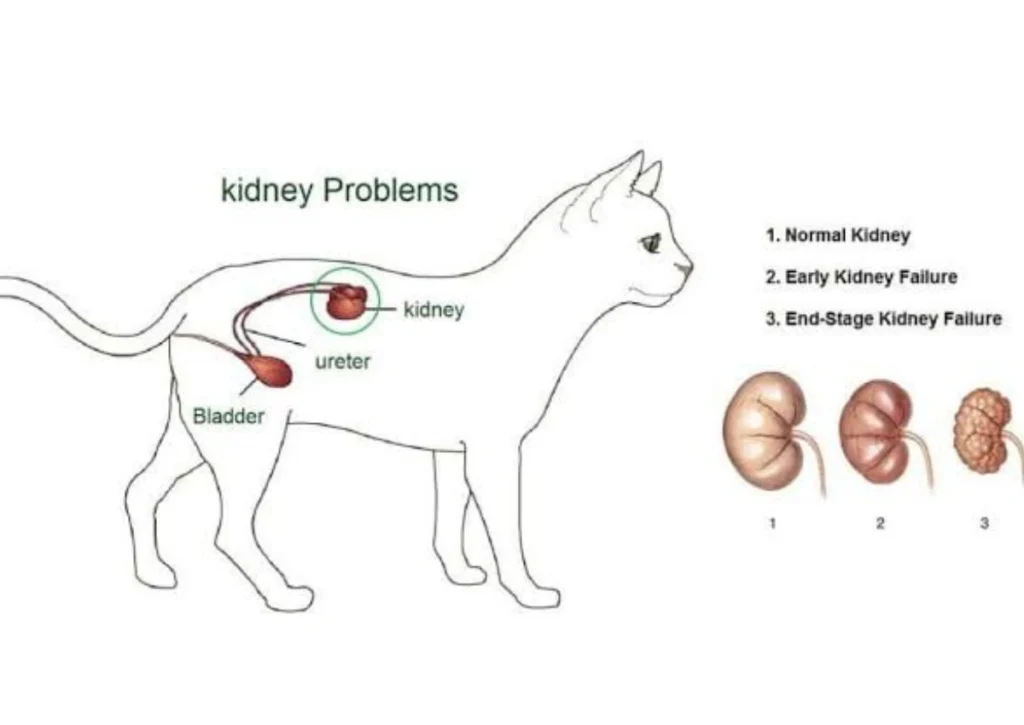
One of the earliest and most important indicators of kidney disease in cats is a shift in hydration and elimination patterns, but these changes are often overlooked because they develop gradually and do not immediately disrupt daily routine. The kidneys play a central role in regulating fluid balance in the body, and when their function begins to decline, this balance is one of the first systems to be affected. Instead of showing dramatic symptoms, the body begins compensating quietly, which is why these changes can appear subtle at first but carry significant meaning if observed.
Increased Thirst
In the early stages of kidney disease, your cat may begin drinking more water than usual, but this increase is not random—the body attempts to compensate for the kidneys’ reduced ability to retain fluids. Healthy kidneys conserve water efficiently, but when they begin to lose function, more fluid is lost through urine, forcing the body to signal thirst more frequently to maintain balance. This is why you may notice your cat visiting the water bowl more often or drinking for longer durations.
The challenge is that this change happens gradually, which makes it easy to dismiss as normal variation, especially in warmer weather or with dietary changes. However, when increased thirst becomes consistent rather than occasional, it reflects an underlying imbalance rather than a situational change. Ignoring this sign allows the condition to progress silently, while early attention can lead to timely diagnosis and better management of kidney health.
Frequent Urination
As kidney efficiency declines, the ability to concentrate urine decreases, which means your cat’s body starts producing larger volumes of more diluted urine. This leads to more frequent urination, even if water intake has only slightly increased. You may notice that the litter box fills up more quickly, clumps appear larger, or your cat uses the litter box more often than usual.
What makes this sign difficult to catch is that many owners do not monitor litter box patterns closely enough to notice gradual changes. It is often only recognised when the difference becomes obvious, by which point the condition may have already progressed. Frequent urination is not just a behavioural change; it is a direct reflection of declining kidney function, and recognising it early allows for intervention before the imbalance becomes severe.
Changes in Urine Appearance
In addition to frequency, the appearance of urine may also change, becoming lighter in colour or more diluted. This happens because the kidneys are no longer able to filter and concentrate waste effectively, leading to urine that lacks the usual density and colour. While this may seem like a minor detail, it is actually a key indicator of how well the kidneys are functioning.
The difficulty is that this change is subtle and often goes unnoticed unless you are actively observing it. Combined with increased thirst and urination, it becomes a stronger signal that something is not functioning properly internally. Paying attention to these small details helps build a clearer picture of your cat’s health, rather than relying on obvious symptoms that appear later.
Appetite and Weight Changes
Changes in appetite and body weight are among the earliest internal responses to kidney dysfunction, but they often appear gradually, making them easy to overlook or misattribute to other factors such as ageing or mood changes. The kidneys play a role in maintaining internal balance, and when they begin to fail, toxins start accumulating in the bloodstream, affecting digestion, metabolism, and overall comfort. These internal disruptions manifest externally through eating behaviour and body condition, making them critical indicators of early disease.
Reduced Appetite
One of the first noticeable changes is a gradual decline in appetite, where your cat may eat less than usual or show reduced enthusiasm toward food. This is not simply a loss of interest—it is often caused by the buildup of toxins in the body, which can create nausea, discomfort, or changes in how food is perceived. Because this change is usually subtle at first, it can be mistaken for pickiness or temporary disinterest. However, when reduced appetite becomes consistent, it signals that the body is struggling internally. Ignoring this can lead to nutritional deficiencies and further weakening of the body, while early attention allows you to address the root cause and adjust care accordingly.
Gradual Weight Loss
Weight loss associated with kidney disease is typically slow and progressive, which makes it difficult to detect without regular monitoring. As appetite decreases and the body struggles to utilise nutrients effectively, muscle mass begins to decline, leading to a gradual reduction in body weight.
This type of weight loss is not sudden or dramatic, which is why it often goes unnoticed until it becomes more advanced. By the time it is clearly visible, the disease may have progressed significantly. Regularly observing your cat’s body condition and weight helps identify these changes earlier, allowing for timely intervention and better outcomes.
Selective Eating Behaviour
In some cases, your cat may not stop eating entirely but may begin to show selective eating behaviour, avoiding certain foods or eating inconsistently. This change often reflects internal discomfort or altered taste perception caused by toxin buildup, which can make previously enjoyed foods less appealing.
This behaviour is often misunderstood as simple fussiness, leading owners to change food frequently rather than investigate the underlying cause. However, consistent selectiveness is often a sign that something deeper is affecting your cat’s system. Recognising this early helps prevent further decline and ensures that the issue is addressed rather than masked.
Changes in Behaviour and Energy Levels
Behavioural changes are often one of the earliest indicators of internal health issues in cats, but they are also the most commonly misinterpreted. Unlike physical symptoms, behaviour shifts are subtle and gradual, which makes them easy to dismiss as mood changes or ageing. However, in the case of kidney disease, these changes are often a direct response to internal imbalance, toxin buildup, and reduced energy levels. Understanding these behavioural signals allows you to identify early signs of kidney disease in cats before more obvious physical symptoms appear.
Increased Lethargy
As kidney function declines, toxins begin to accumulate in the bloodstream, which directly affects your cat’s energy levels and overall vitality. This often results in increased lethargy, where your cat appears less active, sleeps more than usual, or shows reduced interest in play and exploration. This is not simply tiredness—it is a physiological response to internal imbalance, where the body is conserving energy due to reduced efficiency.
The challenge is that lethargy develops gradually and is often mistaken for normal ageing, especially in older cats. However, a noticeable decline in activity compared to your cat’s usual behaviour is a significant signal. Ignoring this can delay diagnosis, while early recognition allows for timely medical intervention and better management of the condition.
Reduced Interaction
Cats experiencing early kidney issues may begin to withdraw socially, showing less interest in interaction with their owners or other pets. This change is often subtle, such as avoiding contact, responding less to attention, or spending more time alone. This behaviour reflects underlying discomfort or fatigue, rather than a personality change.
Because cats are naturally independent, reduced interaction is often overlooked or considered normal behaviour. However, consistent withdrawal is usually a sign that something is affecting your cat internally. Recognising this shift helps you identify potential health issues early, rather than assuming it is simply behavioural.
Hiding or Withdrawal
Hiding is an instinct in cats when they are unwell, as it allows them to feel protected and avoid perceived threats. In the early stages of kidney disease, your cat may begin spending more time in secluded or hidden areas, even if they were previously more social. This behaviour is often dismissed as a preference for quiet spaces, but when it becomes more frequent or prolonged, it indicates discomfort or stress. Ignoring this sign can delay necessary care, while observing it as part of a larger pattern helps identify early signs of kidney disease in cats more effectively.
Physical Signs That Should Not Be Ignored
While early symptoms are often subtle, physical changes eventually begin to appear as the condition progresses. These signs provide clearer evidence that something is wrong, but by the time they become noticeable, the disease may already be advancing. This is why recognising these physical indicators early is essential for timely intervention.
Poor Coat Condition
A healthy cat typically maintains a clean and well-groomed coat, but kidney disease can affect this routine. As energy levels drop and internal discomfort increases, your cat may groom less frequently, leading to a dull, rough, or unkempt coat. This change is not just cosmetic—it reflects underlying fatigue and reduced well-being. Because coat condition is often overlooked as a health indicator, this sign may be ignored until it becomes more pronounced. Paying attention to grooming habits provides valuable insight into your cat’s overall health.
Bad Breath
Kidney disease can lead to a buildup of toxins in the bloodstream, which may result in noticeable changes in breath odour. This is often described as a strong, unusual, or ammonia-like smell, which is a direct reflection of waste products not being filtered properly. Bad breath is often associated with dental issues, which can cause confusion and delay proper diagnosis. However, when combined with other symptoms such as increased thirst or lethargy, it becomes a stronger indicator of kidney-related problems. Recognising this connection helps identify the underlying issue rather than treating only the symptom.
Dehydration Signs
Despite drinking more water, cats with kidney disease often struggle to retain fluids, leading to signs of dehydration such as dry gums, reduced skin elasticity, or general weakness. This occurs because the kidneys are unable to regulate fluid balance effectively, causing the body to lose more water than it can retain. This contradiction, drinking more but still being dehydrated, is a key indicator of kidney dysfunction. It is often overlooked because increased water intake is seen as a positive sign, when in reality it reflects a compensatory response. Recognising dehydration early allows for better management and prevents further complications.
When to See a Veterinarian
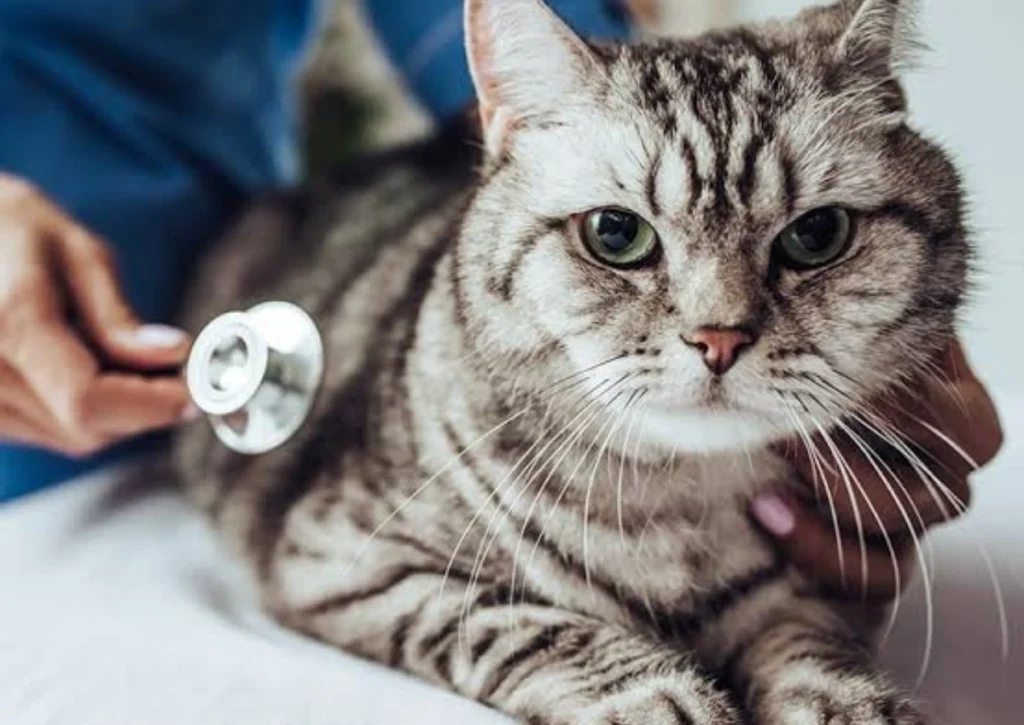
Recognising the early signs of kidney disease in cats is only the first step, the next and most critical step is knowing when to seek professional help. Early intervention significantly improves outcomes, but delaying action can allow the condition to progress to a more advanced stage.
Persistent Symptoms
If changes in drinking, eating, or behaviour continue over time rather than resolving on their own, it is important to consult a veterinarian. Persistent symptoms indicate that the issue is not temporary and requires medical evaluation. Many owners wait for symptoms to become severe before seeking help, but early-stage kidney disease is much easier to manage than advanced stages. Acting early provides more treatment options and improves your cat’s long-term quality of life.
Combination of Signs
A single symptom may not always indicate kidney disease, but when multiple signs appear together—such as increased thirst, weight loss, and lethargy—they form a pattern that should not be ignored. These combined signals provide a clearer picture of what is happening internally. Focusing on patterns rather than isolated symptoms helps you make more informed decisions about your cat’s health. This approach reduces the risk of overlooking important warning signs.
Early Testing and Diagnosis
Veterinary testing, including blood work and urine analysis, can detect kidney issues before they become severe. These tests provide a clear understanding of kidney function and allow for early intervention. Early diagnosis does not just confirm the condition—it creates an opportunity to manage it effectively. With proper care, many cats with early kidney disease can live comfortable and healthy lives for years.
Final Thoughts
Understanding the early signs of kidney disease in cats is not about becoming overly cautious or reacting to every small change; it is about developing a deeper awareness of your cat’s normal behaviour and recognising when subtle patterns begin to shift. Cats are naturally quiet when it comes to discomfort, and their ability to hide illness often means that what appears minor on the surface can reflect something much more significant internally. This is why early signs are rarely dramatic—they are quiet signals that require attention, consistency, and observation over time rather than one-time noticing.
The challenge with kidney disease is not just the condition itself, but how silently it progresses. By the time symptoms become obvious, a significant portion of kidney function may already be compromised. This is what makes awareness so powerful. It gives you the ability to act before the disease reaches a stage where management becomes more difficult. Recognising patterns such as gradual changes in thirst, appetite, energy, or behaviour allows you to connect small signs into a larger picture, rather than dismissing them as isolated or temporary.
At the same time, early awareness is not just about extending life; it is about improving the quality of that life. When kidney disease is managed early, your cat can remain comfortable, active, and emotionally stable for a much longer period. Small interventions made at the right time can prevent discomfort, reduce complications, and create a more balanced daily life for your pet because, in the end, kidney disease does not arrive suddenly; it develops quietly, gradually, and often unnoticed. And it is not just medical treatment that makes the difference, but your ability to observe, understand, and respond early. Your awareness becomes the first step in protecting your cat’s health, turning subtle signs into timely action and giving your cat the best possible chance at a longer, healthier, and more comfortable life.

yespaws
Recent Posts
-
 How to Manage Pets in Small Apartments September 12, 2026
 -
 Indoor Games to Keep Pets Active September 11, 2026
 -
 How Much Exercise Does Your Dog Really Need September 10, 2026
 -
 First-Time Cat Owner? Here’s How to Groom Your Cat Safely September 9, 2026
 -
 Safety Tips for Night Walks with Dogs September 8, 2026