Dog Losing Weight Suddenly: Understanding the Causes and What You Should Never Ignore
Your dog losing weight suddenly is one of those symptoms that many owners overlook in the beginning because it often develops gradually rather than overnight. A dog may still appear active, continue eating normally, or behave almost the same, which creates the impression that the change is temporary or harmless. However, unexplained weight loss is rarely something that should be ignored because body weight reflects much more than appearance; it reflects how the body is functioning internally. When a dog starts losing weight unexpectedly, it usually means that the body is either not receiving enough nutrition, not absorbing nutrients properly, or using more energy than it should due to an underlying issue. Understanding why your dog is losing weight suddenly is important because early recognition often determines how quickly the real cause can be identified and treated.
Why Sudden Weight Loss in Dogs Is a Serious Sign
Weight loss in dogs is often misunderstood because many owners associate it only with appetite. If the dog is still eating, active, or behaving somewhat normally, the assumption is usually that the weight loss is temporary or not serious. However, body weight is not controlled by appetite alone—it reflects a complex interaction between digestion, nutrient absorption, metabolism, organ function, hormonal balance, and energy usage. This means that when a dog begins losing weight unexpectedly, the body is almost always struggling with something internally, even if obvious symptoms have not appeared yet.
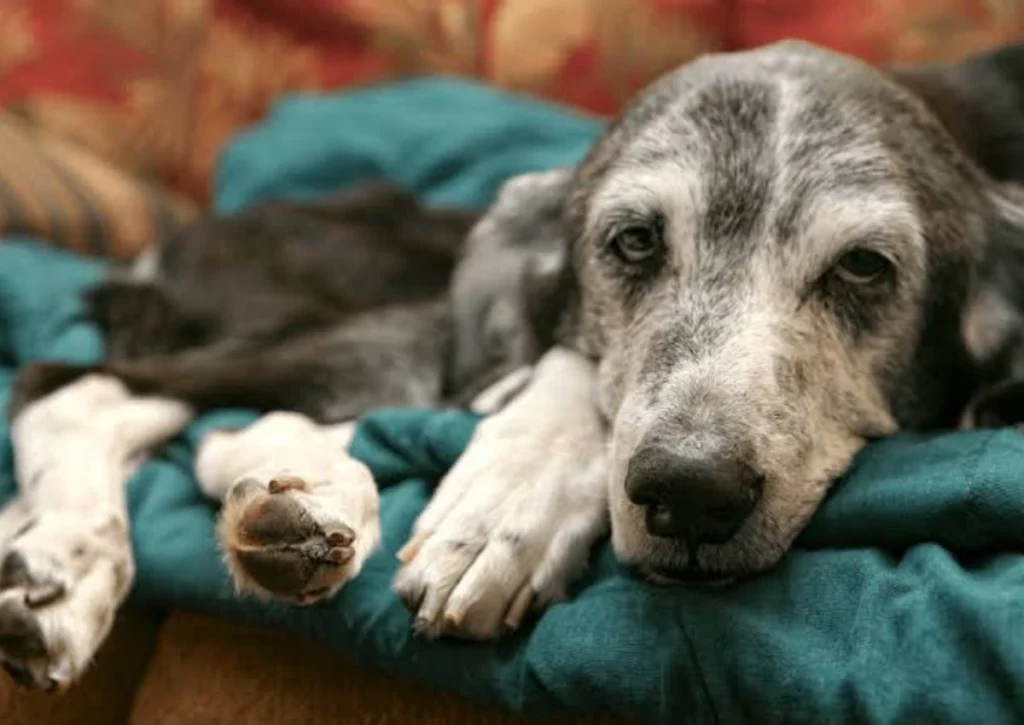
What makes sudden weight loss especially concerning is that it rarely happens in isolation. The body does not simply “drop weight” without reason. In most cases, weight loss is the visible result of an invisible imbalance that has already been developing quietly for weeks or even months. By the time the physical change becomes noticeable externally, the underlying issue may already be affecting multiple systems internally. This is why understanding why your dog is losing weight suddenly is not about focusing on appearance; it is about recognising weight as one of the body’s earliest warning systems.
Weight Reflects Internal Health
A dog’s body weight reflects much more than food intake—it reflects whether the body is able to properly digest, absorb, process, and utilise nutrients efficiently. Healthy body weight depends on internal systems functioning in balance. The digestive system must break down food correctly, the intestines must absorb nutrients effectively, hormones must regulate metabolism properly, and organs such as the liver and kidneys must support overall energy balance.
When even one of these systems begins failing, weight often becomes one of the first visible signs. For example, a dog may continue eating the same amount of food, but if nutrients are not being absorbed properly, the body slowly begins breaking down fat and muscle tissue to compensate. This creates gradual weight loss that owners often mistake for “getting leaner” or “ageing,” when in reality the body is struggling internally.
What makes this dangerous is how quietly it develops. Unlike sudden injuries or severe illness, internal dysfunction often progresses slowly enough that owners adapt to the change without realising it. You see your dog every day, so gradual body condition changes become harder to notice until the difference becomes significant. This is why regular observation matters—not just noticing whether your dog eats, but noticing whether the body itself is changing over time.
Dogs Often Hide Illness Well
One of the biggest reasons sudden weight loss becomes dangerous is that dogs naturally hide weakness and discomfort as a survival instinct. In the wild, visibly weak animals become vulnerable, so dogs are biologically conditioned to continue functioning normally even when something is wrong internally. This means a dog may still wag its tail, go for walks, or appear emotionally normal while the body is under significant physical stress.
This behaviour creates a false sense of reassurance for owners. Because the dog is still “acting normal,” the weight loss is often dismissed as temporary, diet-related, or age-related rather than medical. By the time behavioural changes become obvious, such as lethargy, weakness, or appetite loss, the underlying condition may already be much more advanced.
What owners often fail to realise is that weight loss itself is sometimes the first major clue precisely because dogs hide everything else so well. The body may reveal the problem physically before behaviour changes become impossible to suppress. This is why unexplained weight loss should never be treated casually, even if your dog still seems relatively fine otherwise.
Early Detection Changes Outcomes
The earlier the underlying cause of weight loss is identified, the greater the chance of successful treatment and long-term management. Many conditions associated with sudden weight loss, such as diabetes, digestive disorders, parasites, kidney disease, or hormonal imbalances, become progressively harder to manage when ignored for too long.
What makes early detection powerful is not just preventing severe illness, but reducing the amount of physical damage the body experiences over time. When the body is continuously losing weight, it is not just losing fat; it may also be losing muscle mass, immune strength, hydration balance, and overall resilience. The longer this continues, the weaker the body becomes, making recovery slower and more complicated. Early intervention changes this completely. Identifying the issue while symptoms are still mild often allows for dietary adjustments, medication, hydration support, or lifestyle changes before severe complications develop. In many cases, the difference between a manageable illness and a critical illness is simply how early the problem was recognised.
Inadequate Nutrition or Feeding Problems
One of the most underestimated causes of a dog losing weight suddenly is inadequate nutrition—not necessarily because food is unavailable, but because the body is not receiving the quality or consistency of nourishment it actually needs. Many owners assume that if the food bowl is full and the dog is eating, nutrition cannot be the issue. However, nutrition is not just about quantity; it is about whether the food supports the body’s actual biological demands.
Poor Diet Quality

Not all dog food provides the same nutritional value, and poor-quality diets can slowly weaken the body even when calorie intake appears sufficient. Foods lacking proper protein balance, digestibility, healthy fats, or essential nutrients may fill the stomach without truly nourishing the body. Over time, this nutritional imbalance leads to muscle loss, low energy, poor coat condition, and gradual weight decline.
What makes this difficult to identify is that the dog may continue eating enthusiastically, creating the impression that everything is fine. However, internally, the body may already be struggling to maintain muscle mass and metabolic balance. Weight loss caused by poor nutrition often develops slowly, which makes owners more likely to normalise it rather than recognise it as a warning sign.
Reduced Appetite
Appetite reduction rarely becomes severe immediately. Most dogs begin by eating slightly less, becoming selective, or leaving small amounts of food unfinished. Because the change appears minor at first, owners often assume the dog is simply being picky or temporarily uninterested in food. The deeper issue is that appetite reduction is usually a symptom, not the root problem itself. Pain, nausea, stress, digestive discomfort, hormonal imbalance, or organ dysfunction can all reduce appetite gradually. As food intake decreases, the body begins using stored fat and muscle for energy, leading to progressive weight loss over time. The danger is not just the reduced eating, but what the reduced appetite may represent internally. This is why ongoing appetite changes should never be ignored simply because the dog still eats “a little.”
Feeding Competition or Stress
In multi-pet households, feeding problems can develop even when food is consistently available. Some dogs feel anxious eating around other pets, eat too quickly due to competition, or avoid food altogether because they feel unsafe or stressed during feeding time. This issue is commonly overlooked because owners see food being provided and assume all pets are eating properly. However, emotional stress affects appetite and digestion significantly. A dog experiencing chronic stress around feeding may gradually consume less than needed without obvious signs initially. Over time, this creates a nutritional imbalance and weight loss that seems unexplained because the problem is behavioural rather than medical. Recognising feeding-related stress requires observing not just whether food is present, but how your dog behaves around food consistently over time.
Digestive Problems and Nutrient Absorption Issues
Sometimes, the reason your dog is losing weight suddenly has very little to do with how much food they are eating and much more to do with what happens after the food enters the body. Digestion is not simply the act of eating; it is a complex internal process where food must be broken down, nutrients must be absorbed correctly, and energy must be distributed efficiently throughout the body. When any part of this system begins malfunctioning, the body may stop receiving proper nourishment even if your dog continues eating normally.
This is what makes digestive-related weight loss especially confusing for many owners. The dog may still show interest in food, continue eating regularly, or even seem hungrier than usual, yet the body keeps becoming weaker and thinner. The issue is not always food intake; it is whether the body is capable of using that food properly. Understanding this distinction is important because many digestive disorders develop gradually and silently before more dramatic symptoms appear.
Intestinal Parasites
Parasites such as roundworms, hookworms, whipworms, or tapeworms are one of the most common yet underestimated causes of sudden weight loss in dogs, particularly in puppies or dogs that spend a lot of time outdoors. These parasites survive by feeding directly off the nutrients passing through your dog’s digestive system, which means your dog may technically be eating enough food while still being deprived internally.
What makes parasites dangerous is not just nutrient theft, but the long-term stress they place on the digestive system. Over time, parasites irritate the intestinal lining, interfere with nutrient absorption, weaken immunity, and create inflammation inside the gut. As the body struggles to maintain normal nutritional balance, weight loss begins to appear gradually, often alongside dull coat condition, low energy, bloating, or inconsistent stool quality.
The reason many owners miss this issue early is that appetite often remains normal or even increases. In some cases, the dog appears constantly hungry because the body is trying to compensate for nutrient loss internally. This creates confusion because increased eating usually feels reassuring rather than concerning. However, a dog eating more while continuing to lose weight is often one of the clearest signs that nutrients are not being utilised properly.
Ignoring parasites for too long can lead to severe nutritional deficiencies, digestive damage, anaemia, and chronic weakness, especially in younger dogs whose bodies are still developing. This is why regular deworming and stool monitoring are not just preventive routines; they are essential parts of protecting long-term health.
Poor Nutrient Absorption
In some cases, the digestive system itself loses the ability to absorb nutrients effectively, even when food quality and appetite remain normal. This condition is especially concerning because the body may appear to be functioning normally from the outside, while internally it is becoming progressively malnourished. The intestines play a critical role in transferring nutrients from food into the bloodstream. When inflammation, disease, or digestive dysfunction damages this process, nutrients begin passing through the body without being fully absorbed. As a result, the body slowly enters a nutritional deficit despite regular feeding. This forces the system to break down stored fat and muscle tissue to maintain energy needs, leading to gradual but noticeable weight loss over time.
What makes poor nutrient absorption difficult to identify early is that symptoms are often inconsistent. Some dogs may experience mild diarrhoea occasionally, while others may simply lose weight without major digestive symptoms initially. Because the signs are subtle, owners often assume the issue is related to food preference, metabolism, or activity levels rather than a deeper absorption problem. The longer nutrient absorption issues continue, the more strain they place on the body. Muscles weaken, immunity declines, coat condition worsens, and energy levels drop because the body is essentially functioning without adequate nourishment. This is why unexplained weight loss despite normal eating should always raise concern; it often indicates that the problem lies inside the digestive process itself rather than in appetite alone.
Chronic Digestive Upset
Repeated digestive disturbances such as vomiting, diarrhoea, stomach irritation, or inconsistent stool quality can gradually lead to significant weight loss, even when each episode seems minor. Many owners underestimate the long-term effect of recurring digestive issues because they focus on each episode separately rather than recognising the cumulative impact on the body. Every time digestion is disrupted, the body loses fluids, electrolytes, and nutrients that are necessary for maintaining energy and a healthy body condition. When this happens repeatedly, the digestive system never fully stabilises, which means the body remains in a constant state of imbalance. Over time, this prevents efficient nutrient retention and slowly weakens the dog internally.
The problem becomes even more serious when chronic digestive upset creates fear or discomfort around eating. Some dogs begin associating food with nausea or stomach pain, leading to reduced appetite and further nutritional decline. This creates a cycle where poor digestion leads to lower intake, which then accelerates weight loss even further. One of the biggest mistakes owners make is normalising recurring digestive issues because they are “not severe enough” to seem urgent. However, chronic digestive problems are rarely harmless when they persist over time. The body can tolerate occasional stomach upset, but ongoing digestive instability gradually affects every major system connected to nutrition, hydration, and energy regulation.
Underlying Medical Conditions
One of the most serious reasons a dog may begin losing weight suddenly is the presence of an underlying medical condition that affects how the body processes energy, regulates metabolism, or maintains internal stability. What makes these conditions dangerous is that weight loss often appears before more obvious symptoms develop, making it one of the earliest visible clues that something deeper is wrong internally.
The body does not lose weight without reason. When major organs, hormones, or metabolic systems begin malfunctioning, the body enters a state where it can no longer maintain a healthy energy balance efficiently. In these situations, weight loss is not simply a side effect; it is evidence that the body is struggling to function normally. Understanding this helps owners recognise that unexplained weight loss should never be viewed as “just getting thinner,” especially when it occurs without intentional dietary changes.
Diabetes
Diabetes in dogs affects how the body uses glucose for energy, and one of its most noticeable early signs is unexpected weight loss despite normal or even increased appetite. Under normal conditions, glucose from food enters the body’s cells and provides energy. However, in diabetic dogs, this process becomes disrupted because insulin is either insufficient or ineffective.
As a result, even though food is being consumed, the body cannot utilise nutrients properly for energy production. To compensate, the body begins breaking down stored fat and muscle tissue as an alternative energy source. This leads to progressive weight loss, even while the dog may continue eating enthusiastically.
What makes diabetes particularly deceptive is that owners often feel reassured when the dog still eats well. Appetite is commonly associated with health, so a dog that continues eating usually does not appear seriously ill initially. However, internally, the body is already struggling to maintain metabolic balance, and the longer this continues untreated, the greater the risk of dehydration, weakness, organ damage, and severe complications. Weight loss linked to diabetes is therefore not simply about calories; it reflects a deeper inability of the body to process energy correctly. Recognising this early allows treatment to begin before the disease progresses further.
Kidney Disease
Kidney disease is another major cause of gradual but significant weight loss in dogs, particularly in older pets. The kidneys play a critical role in filtering waste, maintaining hydration balance, and supporting overall metabolic stability. When kidney function declines, toxins begin accumulating inside the body instead of being removed properly. This toxin buildup affects appetite, digestion, hydration, and energy levels simultaneously. Dogs with kidney disease often begin eating less, drinking more water, urinating more frequently, and gradually losing weight as the body weakens internally. In many cases, the weight loss appears subtle initially, which is why it is often mistaken for natural ageing rather than illness.
What makes kidney disease especially dangerous is that symptoms usually develop slowly. Dogs may continue behaving relatively normally in the early stages while internal damage progresses quietly. By the time weight loss becomes obvious, kidney function may already be significantly compromised. The body’s inability to maintain proper toxin balance eventually affects every major system, leading to fatigue, nausea, dehydration, and muscle loss. This is why early recognition matters so much; kidney disease cannot always be reversed, but identifying it early often allows for management that improves both comfort and lifespan significantly.
Cancer or Tumours
Cancer-related weight loss is often one of the most concerning forms of unexplained body condition change because it reflects the body operating under constant internal stress. Certain cancers dramatically increase the body’s energy demands while simultaneously reducing appetite, nutrient usage, and overall physical resilience. As tumours grow, they alter how the body distributes energy and resources. In many cases, the immune system also remains continuously activated, which further increases energy consumption internally. This means the body may begin burning calories and muscle tissue much faster than normal, leading to progressive weight loss even before obvious symptoms appear.
One of the reasons cancer-related weight loss becomes difficult to identify early is that it often develops gradually. Owners may initially assume the dog is simply ageing, becoming less active, or naturally slimming down. However, unexplained weight loss in older dogs should always be taken seriously because it is one of the most common early warning signs of deeper illness. The danger of ignoring cancer-related weight loss is that the disease often progresses silently until more severe symptoms appear. Early detection significantly improves treatment possibilities, which is why sudden or persistent weight loss should never be dismissed without proper evaluation.
Behavioural and Emotional Causes
Physical illness is not the only reason a dog may begin losing weight suddenly. Emotional stress, behavioural changes, and psychological instability can affect appetite, digestion, metabolism, and overall energy balance much more deeply than most owners realise. Dogs are highly sensitive animals, and their emotional state directly influences how their bodies function internally. When stress becomes chronic or emotional well-being declines, the body often responds physically through appetite changes, digestive imbalance, and gradual weight loss.
What makes emotional causes difficult to identify is that they are often subtle and easily dismissed. Owners usually look for visible physical illness first, which means emotional triggers are overlooked unless behaviour changes become obvious. However, stress-related weight loss is real, and when emotional imbalance continues for long periods, it can weaken the body just as significantly as physical illness.
Anxiety and Stress
Stress affects a dog’s body far beyond behaviour alone. When a dog experiences ongoing anxiety, whether due to environmental changes, separation anxiety, loud noises, unfamiliar surroundings, or unstable routine, the body enters a heightened state of alertness. In this state, stress hormones such as cortisol increase, which affects digestion, appetite regulation, metabolism, and energy usage. Some dogs respond to stress by eating less, while others become too emotionally overwhelmed to eat properly at all. The body essentially prioritises survival response over normal digestive function, which means food intake and nutrient processing become disrupted. Over time, this imbalance gradually leads to weight loss, reduced energy, and physical weakening.
The reason many owners miss this issue is that the trigger often seems unrelated to health. A move to a new home, a new family member, changes in schedule, or even prolonged loneliness may not immediately appear serious enough to affect body condition. However, dogs thrive on emotional stability and routine, and chronic stress quietly affects both mental and physical health simultaneously. If emotional stress continues for too long without resolution, it may also weaken immunity, increase digestive sensitivity, and create long-term behavioural changes that become harder to reverse. This is why emotional well-being should never be separated from physical health when evaluating unexplained weight loss.
Depression or Withdrawal
Dogs can experience emotional withdrawal in ways that resemble depression, especially after major emotional changes such as losing a companion, reduced interaction, environmental isolation, trauma, or prolonged neglect of emotional needs. In these situations, the dog may gradually lose interest in food, play, social interaction, or activities they previously enjoyed. What makes emotional withdrawal dangerous is that the decline is often slow and subtle. The dog may still eat occasionally, respond minimally, or continue basic routines, which creates the impression that the situation is temporary. However, internally, reduced emotional engagement often lowers overall motivation, including motivation to eat consistently or maintain normal activity levels.
Over time, this emotional decline begins to affect physical condition. Appetite decreases, metabolism changes, activity drops, and the body gradually loses healthy muscle and fat reserves. Unlike illness-related weight loss, emotional withdrawal may not show dramatic medical symptoms initially, which makes it easier to overlook. Many owners underestimate how deeply emotional well-being affects physical health in dogs. Dogs are social, emotionally responsive animals, and prolonged emotional distress can slowly weaken the body even without an obvious disease present. Recognising these emotional patterns early helps prevent both behavioural deterioration and long-term physical decline.
Increased Physical Activity
Not all sudden weight loss is caused by illness or emotional stress; sometimes the body is simply burning more energy than it receives. Dogs that suddenly become much more physically active may begin losing weight if nutritional intake does not increase accordingly. This commonly happens in highly active breeds, dogs starting intense exercise routines, working dogs, or pets whose daily movement suddenly increases due to environmental or lifestyle changes. The body requires significantly more calories to maintain energy balance during increased activity, and if food intake remains unchanged, the body begins using stored fat and eventually muscle tissue for fuel.
What makes this issue deceptive is that active dogs often appear healthy initially because they remain energetic and enthusiastic. Owners may even view the weight loss positively at first because the dog seems “leaner” or “more athletic.” However, excessive calorie deficit eventually leads to muscle reduction, fatigue, reduced recovery ability, and weakened overall condition. The important distinction here is whether the weight loss stabilises appropriately or continues progressively. Healthy conditioning should maintain muscle tone and energy, whereas unhealthy weight loss eventually causes visible physical decline. Monitoring body condition alongside activity level helps determine whether the body is adapting properly or becoming nutritionally depleted.
Signs That Make Weight Loss More Concerning
Weight loss becomes significantly more serious when it appears alongside additional symptoms because this usually indicates that the body is not simply adjusting temporarily; it is struggling with a larger internal problem. While isolated mild weight fluctuation may occasionally happen due to diet or activity changes, combined symptoms often reveal that multiple systems in the body are being affected simultaneously. The key is not just noticing individual symptoms, but understanding patterns. When weight loss appears together with fatigue, digestive changes, or altered drinking behaviour, it creates a clearer picture that something deeper may be developing internally. Recognising these combinations early allows for faster diagnosis and more effective treatment.
Weakness or Fatigue
If your dog becomes noticeably weaker, less active, or more easily exhausted while losing weight, it often means the body is struggling to maintain proper energy production. Weight loss itself already places physical stress on the body, but when weakness appears alongside it, this suggests that muscle mass, nutrition, hydration, or metabolic balance may already be significantly affected.
This weakness may first appear subtly. Your dog may sleep more, avoid physical activity, walk more slowly, or lose enthusiasm for normal routines. Because these changes develop gradually, owners often interpret them as laziness, ageing, or temporary tiredness rather than signs of deeper health problems. The danger is that weakness usually reflects systemic strain rather than a minor issue. The body may no longer be receiving enough nutrients, oxygen, hydration, or metabolic support to function efficiently. If ignored, this decline can progress into severe exhaustion, muscle wasting, and reduced immune function over time.
Vomiting or Diarrhoea
Digestive symptoms combined with weight loss are especially concerning because they indicate that the body is losing nutrients, fluids, and stability simultaneously. Vomiting and diarrhoea do not just create temporary discomfort; they disrupt digestion, nutrient absorption, hydration balance, and electrolyte regulation, all of which directly affect body condition.
When these symptoms become recurring or chronic, the digestive system remains in a constant state of instability. Food may pass through the body too quickly, nutrients may not be absorbed efficiently, and appetite may decrease due to nausea or discomfort. This creates a cycle where the body becomes progressively weaker even if food intake appears relatively normal. Many owners underestimate repeated mild digestive upset because each episode seems manageable on its own. However, chronic digestive symptoms almost always indicate that something internally is disrupting normal gastrointestinal function. Combined with weight loss, this pattern should never be ignored because it often signals infection, inflammation, disease, or severe digestive imbalance.
Changes in Drinking or Urination
Increased thirst or urination alongside weight loss is one of the clearest signs that the issue may involve deeper metabolic or organ-related dysfunction. Conditions such as diabetes, kidney disease, hormonal disorders, or internal imbalance commonly affect both hydration regulation and body weight simultaneously.
The reason this combination is so important is that the kidneys and metabolic systems play a major role in maintaining internal balance. When these systems begin failing, the body struggles to regulate fluids, process nutrients, and maintain healthy energy levels. Weight loss occurs because the body is no longer functioning efficiently internally. Owners often notice increased water intake but assume it is caused by weather, activity, or ageing. However, when excessive drinking appears together with visible body condition changes, it strongly suggests that the body is compensating for a deeper issue rather than simply reacting to the environment. This combination should always be evaluated seriously because it often reflects conditions that become progressively worse without treatment.
When to See a Veterinarian
Understanding when unexplained weight loss requires veterinary attention is critical because waiting too long allows the underlying condition to progress further internally. Weight loss itself is not the actual disease; it is the body’s response to a problem that may already be affecting digestion, metabolism, organ function, hormones, or overall energy balance.
The mistake many owners make is waiting until the dog appears severely ill before seeking help. However, by the time major symptoms develop, the body may already be under significant stress. Early evaluation is important because many conditions become far easier to manage when identified before severe deterioration occurs.
Persistent Weight Loss
If your dog continues losing weight despite normal eating habits, dietary adjustments, or a stable routine, veterinary attention becomes necessary because the body is clearly failing to maintain a healthy balance on its own. Occasional minor fluctuations may happen naturally, but ongoing progressive weight loss almost always indicates an unresolved internal issue.
The important factor is persistence rather than speed alone. Even slow weight decline matters when it continues consistently over time. The body should not steadily lose condition without explanation, and assuming it will “correct itself” often delays necessary diagnosis. Early medical evaluation helps identify whether the issue is related to digestion, metabolism, infection, hormonal imbalance, emotional stress, or organ dysfunction before the body becomes significantly weakened.
Rapid Body Condition Changes
Visible rib prominence, muscle loss, sunken appearance, or dramatic physical decline indicate that the body is losing reserves faster than it can replace them. Rapid body condition changes are especially concerning because they suggest the underlying issue is progressing aggressively.
What makes rapid weight loss dangerous is not just appearance; it reflects how quickly the body is consuming stored energy and muscle tissue to survive. Once muscle wasting begins, strength, immunity, and recovery ability all decline significantly. This level of physical change should never be dismissed as simple appetite fluctuation or normal ageing. Rapid decline almost always indicates that immediate veterinary attention is necessary to identify and stabilise the underlying condition.
Combination of Multiple Symptoms
Weight loss accompanied by lethargy, appetite changes, vomiting, diarrhoea, behavioural shifts, excessive thirst, or weakness should always be treated as a serious warning pattern rather than isolated symptoms. The presence of multiple symptoms usually means several systems inside the body are being affected simultaneously.
Patterns matter more than individual signs alone. A dog may occasionally skip a meal or have temporary stomach upset, but when body weight continues dropping alongside additional changes, it strongly indicates that the body is struggling internally. Seeking veterinary care early in these situations is essential because combined symptoms often reflect conditions that worsen progressively without treatment. Delaying evaluation increases the risk of complications, prolonged suffering, and a more difficult recovery later.
Final Thoughts
Understanding why your dog is losing weight suddenly is not about assuming the worst every time body condition changes; it is about recognising that healthy body weight reflects internal stability, balance, and overall wellbeing. Weight loss is rarely random. In most cases, it is the body’s way of signalling that something deeper is affecting digestion, metabolism, organ function, emotional health, or nutrient usage internally.
What makes this symptom especially important is how quietly it develops. Dogs often continue functioning normally while underlying problems progress slowly beneath the surface, which means body condition changes may appear before obvious illness does. This is why consistent observation matters so much. Recognising subtle shifts early allows you to identify problems before they become severe enough to dramatically affect your dog’s quality of life.
At the same time, not every case of weight loss immediately points toward a serious disease. Sometimes the cause may be a nutritional imbalance, emotional stress, increased activity, or digestive instability that can be corrected once properly understood. The key is not panic, it is awareness. Paying attention early allows you to respond thoughtfully rather than react only when symptoms become impossible to ignore, because in the end, weight loss is not just about appearance, it is one of the clearest physical reflections of what is happening inside the body. And the earlier you notice, investigate, and respond, the better the chances of protecting your dog’s long-term health, comfort, and overall well-being.

yespaws
Recent Posts
-
 How to Manage Pets in Small Apartments September 12, 2026
 -
 Indoor Games to Keep Pets Active September 11, 2026
 -
 How Much Exercise Does Your Dog Really Need September 10, 2026
 -
 First-Time Cat Owner? Here’s How to Groom Your Cat Safely September 9, 2026
 -
 Safety Tips for Night Walks with Dogs September 8, 2026