Understanding Your Pet Blood Test Reports
Blood tests are one of the most important diagnostic tools in veterinary medicine because they provide a detailed look into what is happening inside your pet’s body long before many illnesses become physically obvious. Yet for most pet owners, reading pet blood test reports can feel confusing and intimidating. Reports are often filled with abbreviations, numbers, highlighted values, reference ranges, and medical terminology that can be difficult to understand without professional guidance.
Many owners immediately panic when they see values marked as “high” or “low,” assuming something is seriously wrong. Others do the opposite and ignore abnormal findings because their pet still appears relatively normal externally. The truth is that pet blood test reports are far more complex than simply labelling results as good or bad. Bloodwork must always be interpreted in context with symptoms, medical history, hydration status, age, medications, stress levels, breed differences, and physical examination findings.
Understanding pet blood test reports matters because many diseases begin silently. Kidney disease, liver dysfunction, diabetes, infections, inflammation, anaemia, hormonal disorders, immune conditions, and metabolic imbalances often start developing internally long before pets show obvious visible symptoms. Bloodwork helps identify these hidden changes early, giving veterinarians a chance to begin treatment or monitoring before severe damage develops.
Why Blood Tests Are So Important for Pets
Blood travels through nearly every organ and tissue in the body, carrying oxygen, nutrients, hormones, immune cells, waste products, and chemical signals continuously. Because blood interacts with almost every major body system, even small changes in blood composition can reveal important information about overall internal health. This is why blood tests are considered such a powerful diagnostic and monitoring tool in veterinary medicine.
Bloodwork Helps Detect Hidden Disease Early
One of the biggest advantages of pet blood test reports is their ability to identify disease before severe symptoms become externally visible. Many illnesses progress gradually during their early stages, especially in animals, because pets instinctively hide weakness and discomfort. By the time obvious symptoms finally appear, the disease may already be significantly advanced internally.
For example, a cat with developing kidney disease may still appear calm, affectionate, and relatively active while bloodwork already shows declining kidney filtration function. Similarly, a dog developing diabetes may only show mild increased thirst initially, while glucose levels have already become significantly elevated internally.
Bloodwork commonly helps identify early signs of:
- kidney disease
- liver dysfunction
- diabetes
- inflammation
- infections
- anemia
- immune disorders
- electrolyte imbalance
- dehydration
- thyroid disease
The reason early detection matters so much is that treatment is often far more effective before severe organ damage develops. In many cases, pet blood test reports provide the first warning signs that something inside the body is beginning to change.
Blood Tests Evaluate Multiple Body Systems Together
Another reason pet blood test reports are so valuable is that a single blood sample can provide information about several major body systems simultaneously. Rather than evaluating only one organ, bloodwork helps veterinarians understand how different systems are functioning together overall.
A standard blood panel may help assess:
- kidney function
- liver health
- blood sugar regulation
- oxygen transport
- hydration status
- infection and inflammation
- clotting ability
- electrolyte balance
- immune system response
- hormone function
This broader perspective is extremely important because many illnesses affect multiple systems at once. Kidney disease may influence red blood cells and hydration. Liver disease may affect protein production and clotting. Hormonal disorders may impact glucose, electrolytes, metabolism, and organ function simultaneously. Because of this, veterinarians usually focus on patterns within pet blood test reports rather than isolated abnormal values alone.
Normal Results Do Not Always Mean Perfect Health
One common misunderstanding among pet owners is assuming that completely normal bloodwork automatically means the pet is perfectly healthy. While normal results are reassuring, blood tests are only one part of the diagnostic picture. Some diseases may still exist during very early stages before blood values become abnormal. Certain conditions also affect tissues or organs in ways that may not appear clearly on standard blood panels.
For example:
- arthritis rarely appears directly on bloodwork
- Early heart disease may require imaging
- Some cancers may not change blood values initially
- Digestive disease may require stool testing or an ultrasound
This is why veterinarians combine bloodwork with physical examinations, medical history, imaging, urine testing, and symptom patterns rather than relying on laboratory values alone. At the same time, mildly abnormal values do not automatically mean severe illness either. Temporary dehydration, stress, excitement, medications, inflammation, or dietary changes may occasionally influence blood values without indicating major disease. Context always matters when interpreting pet blood test reports properly.
Understanding Complete Blood Count (CBC)

The Complete Blood Count, commonly called a CBC, evaluates the blood cells themselves rather than organ chemistry. This section of pet blood test reports provides valuable information about oxygen transport, immune activity, infection, inflammation, clotting ability, and overall blood health. What makes the CBC especially important is that blood cells often respond quickly when the body is under physical stress. Changes here may therefore provide some of the earliest clues that illness, inflammation, or immune dysfunction is developing internally.
Red Blood Cells (RBC), Haemoglobin, and Hematocrit
Red blood cells are responsible for transporting oxygen throughout the body. Haemoglobin is the oxygen-carrying protein inside these cells, while hematocrit measures how much of the blood volume is made up of red blood cells overall. Low red blood cell levels usually indicate anaemia. However, anemia itself is not a disease—it is a symptom showing that something deeper may be affecting the body internally. Anaemia may develop due to chronic kidney disease, blood loss, immune disorders, parasites, nutritional deficiencies, inflammation, bone marrow disease, or internal bleeding.
Because red blood cells carry oxygen, anaemia often affects energy levels and physical stamina first. Pets experiencing anaemia may gradually become weaker, less playful, more tired, or unwilling to exercise. Pale gums, rapid breathing, or increased sleeping may also appear as oxygen delivery becomes less efficient. What makes anaemia difficult to recognise early is that symptoms often develop slowly. Owners may mistakenly assume the pet is simply “slowing down with age” when oxygen transport is actually becoming impaired internally.
High red blood cell levels may sometimes occur due to dehydration because fluid loss artificially concentrates the blood. In rarer cases, persistently elevated levels may suggest heart disease, lung disease, or bone marrow abnormalities affecting oxygen regulation. Veterinarians also evaluate whether the body is attempting to replace lost red blood cells properly through reticulocyte counts. This helps determine whether the bone marrow is responding appropriately to anaemia or whether blood cell production itself is impaired.
White Blood Cells (WBC) and Immune Function
White blood cells help protect the body against infection, inflammation, toxins, parasites, and immune challenges. When veterinarians evaluate white blood cells within pet blood test reports, they are essentially examining how the immune system is reacting internally. High white blood cell counts commonly suggest bacterial infection, inflammation, stress response, tissue injury, immune stimulation, steroid influence, or certain cancers affecting blood or bone marrow. However, veterinarians rarely focus only on the total white blood cell count because different white blood cells respond to different types of problems.
Neutrophils often increase with bacterial infections or inflammation. Lymphocytes may change with viral disease, chronic immune stimulation, or endocrine disorders. Eosinophils commonly rise with allergies, asthma, parasites, or certain immune conditions. Monocytes often increase during chronic inflammation or long-term immune activity. This is why interpreting pet blood test reports requires understanding patterns rather than isolated numbers alone. The combination of white blood cell changes often provides far more information than one abnormal value by itself.
Low white blood cell counts may also be extremely important because they can indicate immune suppression, severe infection overwhelming the immune system, viral disease, toxin exposure, medication effects, or bone marrow dysfunction. Another important detail is that stress alone may temporarily alter white blood cell patterns, especially during veterinary visits. This is why bloodwork must always be interpreted alongside the pet’s overall condition and symptom history.
Platelets and Blood Clotting
Platelets are tiny blood components responsible for helping blood clot after injury. Although small, they play a critical role in preventing dangerous bleeding internally and externally. Low platelet counts may occur due to immune-mediated disease, infections, tick-borne illness, toxins, clotting disorders, bone marrow disease, or severe inflammation. Pets with significantly low platelet levels may bruise easily, develop nosebleeds, bleed from the gums, or show blood in urine or stool.
One important thing many owners do not realise is that internal bleeding may sometimes develop before visible external bleeding becomes obvious. This is why severely low platelet levels require careful monitoring and sometimes urgent medical attention. Another important detail is that cats commonly experience platelet clumping during blood sample collection. Automated laboratory machines may mistakenly interpret these clumps as low platelet counts, which is why veterinarians often manually review blood smears under a microscope for confirmation.
Understanding Kidney Values
The kidneys are among the most important organs in your pet’s body because they constantly work to maintain internal balance and remove harmful waste products from the bloodstream. Every minute, blood passes through the kidneys, where toxins, excess minerals, metabolic waste, and unnecessary fluids are filtered out while important nutrients and water are preserved. Beyond filtration alone, the kidneys also help regulate hydration, blood pressure, electrolyte balance, red blood cell production, and overall chemical stability throughout the body.
Because the kidneys perform so many essential functions simultaneously, even gradual kidney dysfunction can eventually affect multiple body systems at once. What makes kidney disease especially challenging is that it often develops very slowly and silently over months or even years. Many pets continue eating, walking, interacting, and behaving relatively normally during the early stages while internal kidney damage continues progressing unnoticed.
This is why kidney-related markers are considered some of the most important parts of pet blood test reports. Bloodwork often identifies early changes long before severe symptoms such as vomiting, major weight loss, collapse, or extreme weakness become visible externally. In many cases, routine blood testing provides the first indication that the kidneys may no longer be functioning efficiently.
Another important thing owners should understand is that kidney values rarely provide simple “healthy” or “unhealthy” answers on their own. Kidney markers must always be interpreted alongside hydration status, urine concentration, symptoms, body condition, medications, age, and long-term trends. A mildly elevated value may sometimes reflect temporary dehydration, while values technically still within the normal range may still indicate gradual kidney decline if they continue increasing steadily over time.
Because kidney disease is often progressive rather than suddenly appearing overnight, understanding how kidney values work inside pet blood test reports helps owners recognise why early detection and long-term monitoring are so important.
Creatinine and Kidney Filtration
Creatinine is one of the most commonly evaluated kidney markers in pet blood test reports because it helps measure how efficiently the kidneys are filtering waste from the bloodstream. Creatinine is produced naturally during normal muscle metabolism. As muscles use energy throughout the day, waste products are generated and eventually carried through the blood to the kidneys for removal.
Healthy kidneys filter creatinine out of the bloodstream continuously and remove it through urine. However, when kidney filtration begins declining, creatinine starts accumulating in the blood because the kidneys can no longer eliminate waste products effectively. Elevated creatinine levels therefore, often suggest that kidney filtration efficiency has been reduced.
What many pet owners misunderstand is that creatinine does not directly measure kidney damage itself. Instead, it reflects how effectively the kidneys are still functioning at filtering waste at that moment. This distinction is important because kidney tissue may already be damaged long before creatinine becomes obviously abnormal on bloodwork.
One of the biggest limitations of creatinine is that kidney disease often becomes fairly advanced before levels rise significantly outside the normal range. In some cases, pets may lose a substantial amount of kidney function before major creatinine elevations appear. This is one reason why veterinarians increasingly emphasise trend monitoring over time rather than focusing only on one isolated result.
Another important factor is that creatinine levels are influenced by muscle mass. Pets with larger muscle mass naturally produce more creatinine, while very thin or elderly animals with muscle loss may show deceptively lower creatinine values despite significant kidney disease internally. This can sometimes make early kidney dysfunction harder to recognise in senior pets.
Hydration status also plays a major role in interpretation. Dehydration reduces blood fluid volume, causing waste products such as creatinine to become artificially concentrated in the bloodstream. A dehydrated pet may therefore temporarily show elevated creatinine even if kidney tissue itself remains relatively healthy.
Because of these complexities, veterinarians never interpret creatinine alone. Instead, they compare it alongside:
- BUN levels
- SDMA values
- urine concentration
- hydration status
- appetite and weight changes
- clinical symptoms
- body condition
- long-term bloodwork trends
What often matters most is not whether creatinine is slightly above normal one time, but whether values continue rising steadily over months or years. Gradual progression frequently provides much more meaningful insight into kidney health than isolated abnormalities alone.
Blood Urea Nitrogen (BUN)
Blood Urea Nitrogen, commonly called BUN, is another important kidney marker included in pet blood test reports. Urea is a waste product created when the body breaks down protein during normal metabolism. The kidneys normally filter urea from the bloodstream and remove it through urine, helping maintain a safe chemical balance inside the body.
When kidney filtration becomes less efficient, BUN levels often begin rising because waste products are no longer being removed properly. However, BUN interpretation is much more complex than simply associating high values with kidney disease alone.
Many different factors may influence BUN levels, including:
- dehydration
- gastrointestinal bleeding
- high protein breakdown
- severe infection
- Reduced blood circulation
- shock
- fever
- certain medications
- dietary protein intake
For example, a severely dehydrated pet may show dramatically elevated BUN because fluid loss concentrates waste products in the bloodstream. Similarly, internal gastrointestinal bleeding may increase BUN because digested blood proteins affect nitrogen levels internally. This is why veterinarians rarely interpret BUN independently. Instead, they compare it with creatinine, hydration status, urine concentration, symptoms, and physical examination findings to determine whether kidney dysfunction is truly present.
Another important detail is that mild BUN elevation does not always indicate severe kidney failure. Temporary dehydration, illness, or reduced water intake may sometimes cause moderate increases that improve once hydration and circulation stabilise properly again. Low BUN values are generally less concerning but may occasionally reflect poor nutrition, severe liver dysfunction, or inadequate protein intake. Because the liver plays a major role in producing urea, advanced liver disease may reduce BUN production significantly.
One reason BUN remains so valuable in pet blood test reports is that it helps veterinarians understand how the kidneys are interacting with overall body metabolism and hydration balance, rather than evaluating filtration alone.
SDMA and Early Kidney Disease Detection
SDMA is a newer kidney marker that has become increasingly important in veterinary medicine because it may identify kidney dysfunction earlier than traditional creatinine testing in many pets. This is especially valuable because kidney disease often progresses silently for long periods before severe symptoms finally become obvious externally.
Unlike creatinine, SDMA is much less influenced by muscle mass. This makes it particularly useful in:
- senior pets
- thin animals
- cats with muscle loss
- chronically ill pets
- animals with low body condition
Older pets frequently lose muscle mass gradually as they age, which can sometimes make creatinine appear deceptively normal despite declining kidney function. Because SDMA is less affected by muscle changes, it may reveal kidney stress earlier in these situations. Another important reason SDMA matters is that early kidney disease symptoms are often extremely subtle. Pets may only show:
- slightly increased thirst
- more frequent urination
- mild weight loss
- inconsistent appetite
- lower energy levels
- increased sleeping
These changes usually develop gradually over time, causing many owners to mistake them for ordinary ageing rather than early kidney dysfunction. By the time severe vomiting, major appetite loss, dehydration, weakness, or obvious illness appear, kidney disease may already be significantly advanced internally. Earlier SDMA detection, therefore, provides veterinarians with an opportunity to begin supportive management much sooner.
This early intervention may include:
- prescription kidney diets
- hydration support
- blood pressure monitoring
- phosphorus management
- medication adjustments
- regular follow-up bloodwork
- urine testing
- long-term kidney protection strategies
Although early detection cannot always reverse kidney disease completely, it often helps slow progression significantly and improve long-term quality of life. Another important point is that SDMA should never be interpreted in isolation. Mild elevations may sometimes occur temporarily due to dehydration or illness, which is why veterinarians usually evaluate repeat testing, urine concentration, creatinine, symptoms, and overall health trends together before confirming chronic kidney disease. What makes SDMA especially valuable within pet blood test reports is that it strengthens the ability to recognise subtle kidney decline before severe organ damage becomes much harder to manage effectively.
Understanding Liver Values
The liver is one of the most important and complex organs in your pet’s body because it performs hundreds of functions necessary for survival. It helps process nutrients, remove toxins from the bloodstream, regulate metabolism, support digestion, produce important proteins, store vitamins and energy reserves, and assist with hormone balance. Because the liver is involved in so many internal processes, even mild liver dysfunction can affect multiple body systems at the same time. This is why abnormalities in pet blood test reports related to liver function are taken seriously, even when symptoms appear mild initially.
What makes liver disease especially challenging is that the liver has an enormous ability to compensate and continue functioning despite damage. Many pets may therefore appear relatively normal externally while liver values are already becoming abnormal internally. In early stages, symptoms are often subtle and may include mild appetite reduction, lower energy levels, vomiting, increased thirst, weight loss, or digestive changes that owners may not immediately connect to liver health.
Another important thing to understand is that elevated liver values do not automatically mean severe, irreversible liver disease. Bloodwork helps identify that the liver is under stress, but it does not always immediately reveal the exact cause. Infection, inflammation, toxins, medications, metabolic disorders, hormonal disease, bile flow obstruction, digestive problems, and even stress on other organs may all influence liver values within pet blood test reports.
Because of this, veterinarians usually interpret liver markers together rather than focusing on one isolated number alone. Patterns between enzyme elevations, bilirubin levels, symptoms, hydration status, ultrasound findings, and long-term trends often provide much more meaningful information about what may actually be happening internally.
ALT and AST Liver Enzymes
ALT and AST are two of the most commonly evaluated liver enzymes in pet blood test reports because they help identify damage or irritation affecting liver cells. ALT, which stands for alanine aminotransferase, is considered one of the more liver-specific enzymes, especially in dogs and cats. When liver cells become inflamed, injured, or damaged, ALT leaks into the bloodstream, causing blood levels to rise. AST, or aspartate aminotransferase, may also increase during liver injury, although AST can sometimes rise from muscle damage as well, which makes interpretation slightly more complex.
One of the biggest misunderstandings owners have is assuming that very high ALT or AST automatically means liver failure. In reality, these enzymes primarily indicate that liver cells are stressed or injured—they do not directly measure how well the liver is still functioning overall. A pet may sometimes show dramatically elevated liver enzymes while still maintaining relatively good liver function, especially if the problem is identified early.
There are many possible reasons these enzymes may increase, including:
- liver inflammation
- toxin exposure
- medication side effects
- infections
- metabolic disease
- pancreatitis
- hormonal disorders
- Reduced blood flow to the liver
- ingestion of toxic substances
Certain medications, especially long-term steroid use or seizure medications, may also influence liver enzymes significantly over time. This is why veterinarians often recommend routine monitoring of bloodwork for pets receiving chronic medications. Another important detail is that temporary mild liver enzyme elevations sometimes occur after recent illness, stress, digestive upset, or muscle injury. Because of this, veterinarians frequently repeat bloodwork after several weeks to determine whether the abnormality is persistent, improving, or worsening.
Persistent or progressively increasing liver enzymes usually require deeper investigation through:
- abdominal ultrasound
- bile acid testing
- toxin evaluation
- infection screening
- liver biopsy in severe cases
What matters most is not simply whether ALT or AST is elevated, but how high the values are, whether they continue rising, whether symptoms are present, and how the rest of the pet blood test reports appear overall.
ALP and Bile Flow
ALP, or alkaline phosphatase, is another important liver-related marker commonly included in pet blood test reports. Unlike ALT, which mainly reflects liver cell injury, ALP is more closely associated with bile flow and certain metabolic or hormonal influences affecting the liver.
Bile is a digestive fluid produced by the liver that helps break down fats and remove waste products from the body. When bile flow becomes disrupted or obstructed, ALP levels often increase significantly. This may happen due to liver disease, gallbladder problems, inflammation, bile duct obstruction, pancreatitis, or certain endocrine disorders.
However, ALP interpretation is often more complicated than owners expect because many different factors may influence it. Dogs, in particular, commonly show elevated ALP for reasons unrelated to severe liver disease. Steroid medications, Cushing’s disease, chronic inflammation, stress responses, and even normal bone growth in puppies may all raise ALP levels considerably.
This is why veterinarians rarely panic over isolated ALP elevations alone. Instead, they compare ALP with:
- ALT and AST levels
- bilirubin values
- symptoms
- appetite changes
- ultrasound findings
- medication history
- endocrine testing results
For example, a dog with mildly elevated ALP but otherwise normal pet blood test reports may simply require monitoring and repeat testing. On the other hand, extremely high ALP combined with vomiting, jaundice, appetite loss, and abnormal imaging findings may suggest more serious liver or bile system disease requiring immediate investigation.
Another important point is that ALP often increases gradually in chronic disease processes. Long-term elevations sometimes reflect ongoing internal stress even before severe symptoms become visible externally. This is why trend monitoring becomes extremely important when evaluating liver-related bloodwork over time.
Bilirubin and Jaundice
Bilirubin is a yellow pigment created during the normal breakdown of old red blood cells. After red blood cells are processed, bilirubin travels to the liver, where it is further processed and eventually removed from the body through bile.
When bilirubin levels become elevated in a pet’s blood test reports, it usually means one of three major problems may be occurring:
- The liver cannot process bilirubin properly
- Bile flow is obstructed
- Excessive red blood cell destruction is occurring internally
Because bilirubin metabolism involves both the blood and the liver, elevated levels often signal a significant internal imbalance requiring careful evaluation. One of the most recognisable signs of elevated bilirubin is jaundice, which causes yellow discolouration of:
- the gums
- eyes
- skin
- ears
Jaundice itself is not a disease; it is a visible symptom showing that bilirubin has accumulated abnormally within the body. What makes jaundice especially important is that it often reflects more advanced internal dysfunction compared to mild isolated liver enzyme elevations. Pets with jaundice may also develop:
- appetite loss
- vomiting
- lethargy
- weakness
- digestive problems
- dark urine
- weight loss
However, elevated bilirubin does not always mean primary liver disease alone. Severe infections, immune-mediated destruction of red blood cells, gallbladder disease, pancreatitis, bile duct obstruction, toxins, or advanced inflammation may also contribute. This is why veterinarians usually investigate elevated bilirubin aggressively through additional diagnostics such as:
- ultrasound imaging
- red blood cell evaluation
- clotting tests
- infection screening
- bile flow assessment
Another important detail is that bilirubin often provides insight into how advanced the disease process may be. Mild liver enzyme elevations may appear long before bilirubin becomes abnormal, while severe bilirubin elevation often indicates that the liver or bile system is struggling much more significantly. Understanding bilirubin within pet blood test reports, therefore, helps owners recognise why jaundice is considered a serious clinical sign requiring prompt veterinary attention rather than simple monitoring alone.
Final Thoughts
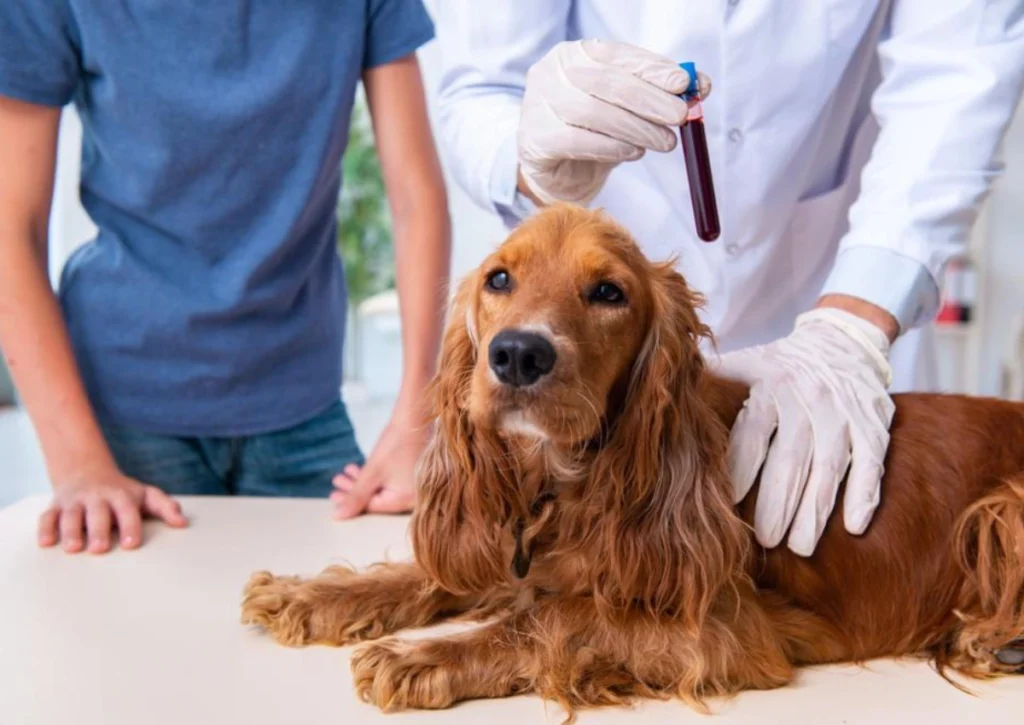
Understanding pet blood test reports is not about memorising laboratory abbreviations or trying to diagnose illness independently. It is about recognising that bloodwork provides one of the clearest and most valuable views into your pet’s internal health. Blood tests help veterinarians identify hidden disease, monitor organ function, assess immune activity, evaluate hydration balance, detect inflammation, and recognise subtle internal changes long before many illnesses become physically obvious.
What makes pet blood test reports especially important is that they help veterinarians evaluate the body as an interconnected system rather than focusing only on isolated symptoms. Kidney markers, liver enzymes, glucose levels, blood cells, electrolytes, proteins, and hormonal values all interact together to create a broader picture of how the body is functioning internally.
At the same time, no blood test should ever be interpreted without proper context. Slight abnormalities do not always indicate severe disease, while normal values do not automatically guarantee perfect health. Age, medications, hydration status, stress levels, symptoms, breed tendencies, imaging results, and long-term trends all influence what bloodwork truly means.
Another important thing owners should understand is that trends over time are often more meaningful than one isolated result. Repeat bloodwork frequently helps veterinarians identify whether organ function is stable, improving, or gradually declining. This long-term perspective becomes especially valuable for senior pets and animals living with chronic conditions. Because in the end, pet blood test reports are far more than laboratory numbers on a page. They are early warning systems that help owners and veterinarians work together to detect disease sooner, guide treatment decisions, monitor recovery, and protect long-term health before problems become significantly more difficult to manage.

yespaws
Recent Posts
-
 How to Manage Pets in Small Apartments September 12, 2026
 -
 Indoor Games to Keep Pets Active September 11, 2026
 -
 How Much Exercise Does Your Dog Really Need September 10, 2026
 -
 First-Time Cat Owner? Here’s How to Groom Your Cat Safely September 9, 2026
 -
 Safety Tips for Night Walks with Dogs September 8, 2026