Monsoon Pet Care Tips in India: Keep Your Furry Friend Safe This Rainy Season
The monsoon in India is many things at once a long-awaited relief from the scorching summer heat, the smell of wet earth that lifts every spirit, and the soundtrack of rain pattering against the window that makes you want to curl up with a good book. But if you share your home with a pet, the rainy season brings an entirely different checklist of concerns.
From waterlogged streets and muddy paws to ticks, fungal infections, and anxiety triggered by thunderstorms the monsoon months between June and September demand a little extra attention from every pet parent. The good news? With the right preparation, you and your pet can enjoy this beautiful season without the stress.
Here’s everything you need to know to keep your dog, cat, or small pet safe, healthy, and comfortable during India’s monsoon.
Why Monsoon Is a Challenging Time for Pets in India
India’s monsoon isn’t a light drizzle situation. In many parts of the country Mumbai, Kerala, Assam, and the northeastern states in particular it means days of relentless rain, high humidity, waterlogged roads, and temperatures that stay warm enough to make that moisture a breeding ground for bacteria, fungi, and parasites.
For pets, this combination is a genuine health hazard. Dogs that love their outdoor walks are suddenly navigating flooded streets. Cats that roam freely become reluctant homebodies. And for both, the warm humidity creates ideal conditions for skin infections, ear problems, and a significant spike in tick and flea activity.
Add to this the psychological toll of thunderstorms which can cause severe anxiety in many dogs and you have a season that requires thoughtful, proactive pet care.
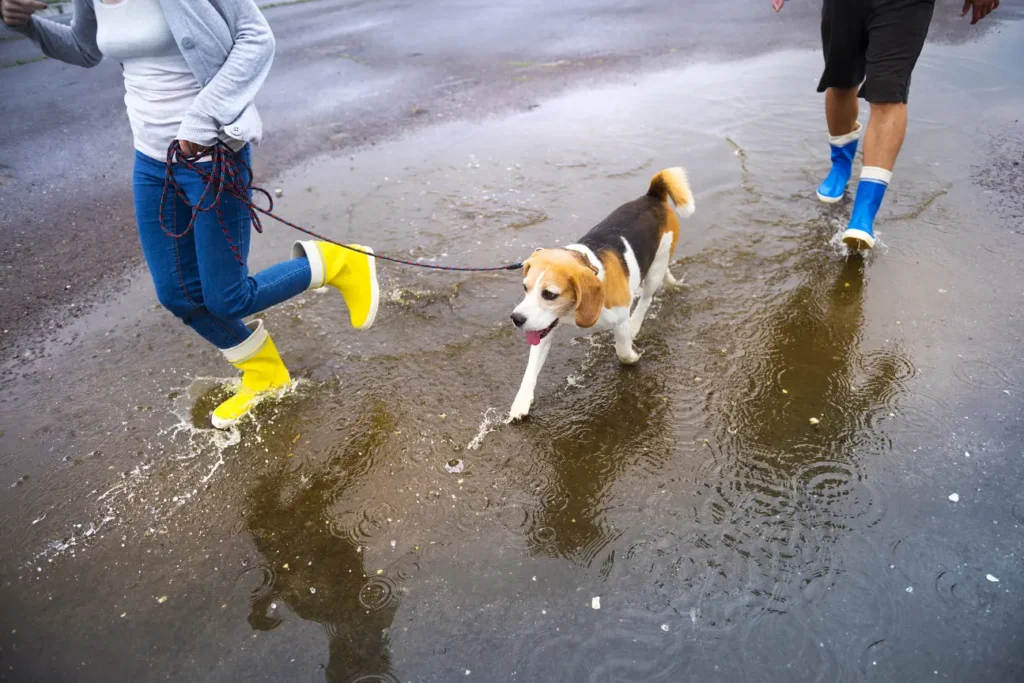
1. Protect Your Pet from Ticks, Fleas, and Mosquitoes
If there’s one monsoon pet care tip that veterinarians across India agree on, it’s this: parasite prevention is non-negotiable during the rainy season.
Ticks thrive in warm, moist conditions. They hide in grass, leaf litter, and damp soil exactly the kind of terrain that appears everywhere during monsoon. A single walk through a park or garden patch can bring a dozen ticks home on your dog’s coat. Beyond the irritation, ticks carry serious diseases including Ehrlichiosis, Babesiosis, and Lyme disease all of which can become life-threatening if untreated.
Fleas multiply rapidly in humid weather, and mosquitoes already a monsoon staple in Indian cities can transmit heartworm disease to dogs.
What to do:
- Speak to your veterinarian about appropriate tick and flea prevention options include monthly spot-on treatments, tick collars, and oral chewables. What works best depends on your pet’s size, breed, and lifestyle.
- Check your pet thoroughly after every outdoor outing. Run your fingers through their coat, paying special attention to the ears, between the toes, around the neck, and under the armpits.
- Avoid letting your pet walk through tall grass or heavily vegetated areas during peak monsoon.
- Keep your home environment clean vacuum regularly and wash pet bedding frequently to disrupt flea life cycles.
2. Keep Paws Clean and Dry Every Single Time
Your dog’s paws are in contact with the ground constantly, and during monsoon, that ground is covered in rainwater, mud, puddles, and everything else that washes onto Indian streets. Standing water in urban areas can carry leptospirosis bacteria a serious infection that affects the kidneys and liver and is transmitted through contact with contaminated water or soil.
Beyond leptospirosis, damp paws that aren’t dried properly become a breeding ground for fungal infections. The warm, moist space between the toes is a perfect environment for yeast and bacteria, leading to redness, itching, and painful interdigital cysts.
What to do:
- Wipe your pet’s paws with a clean, dry towel immediately after every walk. Don’t skip this step, even if the walk was short.
- Consider using a mild pet-safe paw wash or diluted povidone-iodine solution (ask your vet for the right dilution) to disinfect paws after outdoor exposure.
- Dry between the toes carefully this is the area most commonly missed and most prone to infection.
- Check paws regularly for redness, swelling, or unusual odor, which are early signs of infection.
- Ask your vet about the leptospirosis vaccine if your dog hasn’t received it this is particularly important for dogs in urban India with regular street exposure.
3. Manage Skin and Coat Health in High Humidity
High humidity and wet fur are a combination that skin problems love. Dogs with dense or double coats think Golden Retrievers, Labradors, German Shepherds, and Huskies are especially vulnerable during the Indian monsoon. Wet fur that stays damp for hours creates a warm, airless layer close to the skin where bacteria and fungi flourish, leading to a condition commonly called “hot spots” or acute moist dermatitis.
Cats are generally better at keeping themselves dry, but long-haired cats and those with outdoor access can develop similar issues.
What to do:
- Bathe your pet more frequently during monsoon, but ensure they are completely dry after every bath don’t let them air-dry in a humid environment. Use a blow dryer on a low heat setting if needed.
- Brush your pet’s coat regularly to remove tangles, dirt, and moisture trapped in the undercoat.
- Trim the fur around the paws, ears, and belly areas that collect moisture easily. A monsoon grooming trim from a professional groomer can make a significant difference.
- Watch for signs of skin infection: redness, unusual hair loss, persistent scratching, or a musty odor from the coat.
- If your pet develops a hot spot, consult your vet promptly these can spread quickly if not treated.
4. Address Monsoon Anxiety and Thunder Phobia
For many dogs, the Indian monsoon brings something scarier than any parasite: thunderstorms. The deep rumbles, sudden flashes of lightning, and the drop in barometric pressure that precedes heavy rain can trigger severe anxiety in dogs. Trembling, hiding, excessive panting, destructive behavior, and attempts to escape are all common reactions.
This is not your dog “being dramatic.” Noise anxiety is a genuine physiological stress response, and it deserves to be taken seriously.
What to do:
- Create a safe space for your pet a quiet, enclosed corner of the house with their bed, a familiar blanket, and some of their favorite toys. Many dogs feel safest in interior rooms away from windows.
- Close windows and draw curtains during storms to muffle sound and block the visual stimulation of lightning.
- Stay calm yourself. Dogs read their owners’ emotional state, and your composure is genuinely reassuring to them.
- Consider calming aids such as pheromone diffusers (like Adaptil for dogs or Feliway for cats), anxiety wraps, or calming music designed for pets.
- For dogs with severe thunder phobia, speak to your vet about short-term medication options during peak storm season. This is a valid and humane choice, not a last resort to feel embarrassed about.
- Avoid punishment of any kind during anxiety episodes it makes the fear worse, not better.
5. Adjust Diet and Watch for Monsoon Illnesses
Digestive upsets are significantly more common during the monsoon months in India. The reasons are multiple: contaminated water sources, food that spoils faster in the heat and humidity, and the higher likelihood of pets coming into contact with contaminated outdoor surfaces.
What to do:
- Ensure your pet always has access to fresh, clean drinking water. Change the water in their bowl multiple times a day during monsoon stagnant water in humid conditions can harbor bacteria.
- Avoid feeding pets near open windows or outdoors where flies and insects can contaminate food.
- Don’t leave wet food out for extended periods the combination of humidity and warmth causes it to spoil quickly.
- Watch for signs of digestive illness: vomiting, diarrhea, lethargy, loss of appetite, or abdominal discomfort. These symptoms in combination warrant a vet visit, not just a wait-and-watch approach.
- Keep your pet’s vaccination schedule current diseases like parvovirus and leptospirosis become higher risks during monsoon.
6. Modify Walk Routines Thoughtfully
Rain doesn’t mean indoor imprisonment, but it does mean rethinking your pet’s outdoor routine. Walking through flooded or heavily contaminated streets increases exposure to everything from leptospirosis to toxic runoff.
What to do:
- Walk your dog during lighter rain spells rather than during heavy downpours.
- Avoid walking near drains, flooded areas, or stagnant puddles.
- Invest in a good quality pet raincoat particularly useful for short-haired breeds that feel the cold rain more acutely, and for small dogs whose bellies are close to the wet ground.
- Keep walks shorter but more frequent if needed, rather than one long walk through heavy rain.
- If outdoor walks are genuinely unsafe for several days due to heavy flooding (a reality in many Indian cities), compensate with indoor enrichment puzzle feeders, training sessions, and interactive play keep dogs mentally stimulated without the outdoor exposure.
7. Keep Ears Dry and Clean
Ear infections spike during the monsoon, particularly in floppy-eared breeds like Cocker Spaniels, Beagles, and Basset Hounds. The warm, humid air combined with any moisture that enters the ear canal creates a perfect environment for yeast and bacterial overgrowth.
What to do:
- Dry your pet’s ears gently but thoroughly after baths or outdoor exposure in rain.
- Check ears weekly for redness, unusual odor, dark discharge, or excessive head shaking all signs of an ear infection.
- Never insert cotton buds deep into the ear canal. Use a vet-recommended ear cleaning solution and cotton balls for gentle surface cleaning.
- If you notice any signs of infection, visit your vet ear infections that go untreated can become chronic and painful.
A Monsoon Pet Care Checklist for Indian Pet Parents
Here’s a quick summary to pin on your refrigerator:
Before You Head Back Inside
The monsoon season in India is magnificent, and there’s no reason your pet can’t enjoy it safely alongside you. What it takes is a little preparation, a lot of attention, and the willingness to adapt your routine to what the season demands.
Your pet can’t tell you when something feels off, which is exactly why being proactive matters so much. Watch them closely, follow the basics consistently, and don’t hesitate to call your vet when something doesn’t look right.
At Yes Paws, we’re here for every season of your pet parenting journey including the soggy, muddy, glorious ones.Stay dry, stay watchful, and enjoy the rain together.
This article is for informational purposes only. Always consult a licensed veterinarian for advice specific to your pet’s health and needs.

yespaws
Recent Posts
-
 How to Manage Pets in Small Apartments September 12, 2026
 -
 Indoor Games to Keep Pets Active September 11, 2026
 -
 How Much Exercise Does Your Dog Really Need September 10, 2026
 -
 First-Time Cat Owner? Here’s How to Groom Your Cat Safely September 9, 2026
 -
 Safety Tips for Night Walks with Dogs September 8, 2026