How to Protect Pets from Mosquitoes
The gentle buzz of a mosquito might seem like a minor summer annoyance, but for pets, mosquito bites can carry far more serious consequences than the itchy welt they leave on human skin. From painful, itchy bites to life-threatening diseases like heartworm, mosquitoes pose a genuine health risk to dogs, cats, and other companion animals, particularly during warmer months or in humid climates where these insects thrive year-round.
The encouraging news is that protecting your pet from mosquitoes is entirely manageable with the right combination of preventive medication, environmental control, and everyday habits. This guide walks through everything you need to know to keep your pet safe, comfortable, and mosquito-bite-free.
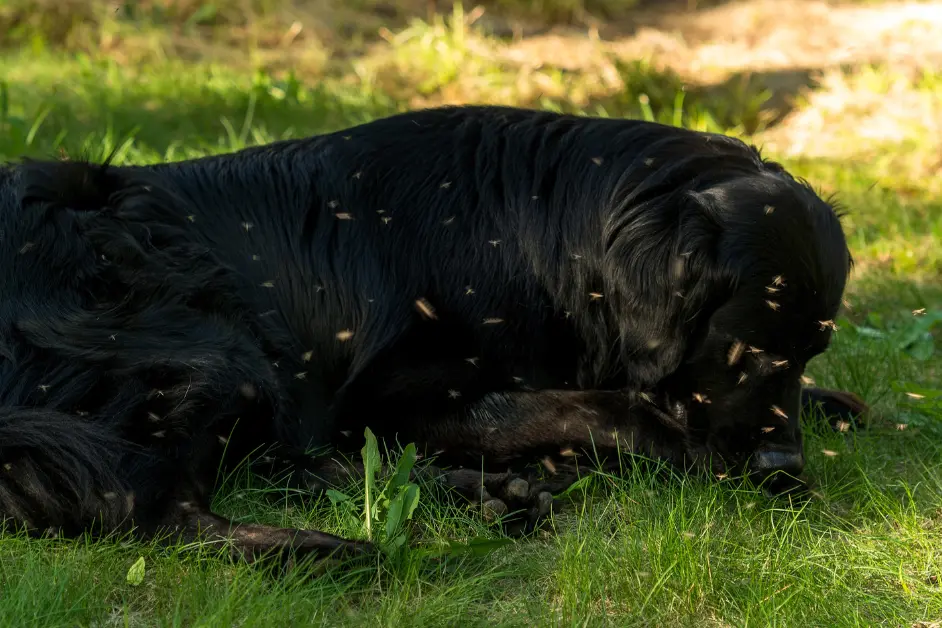
Why Mosquitoes Are a Real Threat to Pets
Mosquitoes aren’t just a nuisance; they’re active disease vectors capable of transmitting serious illnesses to pets. Understanding the specific risks helps underline why consistent prevention matters.
Heartworm Disease
The most significant mosquito-borne threat to dogs and cats is heartworm disease, caused by parasitic worms that live in the heart, lungs, and blood vessels. Mosquitoes transmit heartworm larvae through their bite, and left untreated, the disease can cause severe damage to the heart and lungs, and can ultimately be fatal. Heartworm is far easier and less expensive to prevent than to treat, which makes preventive care especially important.
Skin Irritation and Allergic Reactions
Beyond disease transmission, mosquito bites themselves can cause significant discomfort. Pets may develop redness, swelling, and intense itching at bite sites, and some pets, much like some humans, are more sensitive and can develop stronger allergic reactions, including hives or more widespread skin irritation.
Secondary Infections
Excessive scratching or licking at mosquito bites can break the skin, creating an entry point for bacteria and leading to secondary skin infections that require veterinary treatment.
Other Mosquito-Borne Illnesses
While less common, mosquitoes can also transmit other diseases depending on your region, underscoring the importance of region-specific preventive guidance from your veterinarian.
Recognizing Mosquito Bites on Pets
Because pets are covered in fur, mosquito bites aren’t always immediately obvious. Signs to watch for include:
- Small, raised bumps, often more visible on less-furred areas like the belly, ears, or nose
- Excessive scratching, licking, or biting at a specific area
- Redness or mild swelling at the bite site
- Restlessness or visible discomfort, particularly in areas with thinner fur
If you notice widespread swelling, difficulty breathing, or signs of a severe allergic reaction, seek veterinary care immediately, as this can indicate a more serious hypersensitivity response.
Veterinary-Approved Prevention Methods
Heartworm Preventive Medication
The single most important step in protecting your pet from mosquito-borne illness is consistent heartworm prevention, typically administered as a monthly oral tablet, topical treatment, or an injectable option lasting six to twelve months, depending on the product. These medications don’t repel mosquitoes directly, but they eliminate heartworm larvae before they can mature into adult worms, effectively breaking the transmission cycle.
Talk to your veterinarian about the most appropriate preventive option for your pet, taking into account their species, size, health history, and your regional mosquito activity levels. In many climates, year-round prevention is recommended rather than seasonal use alone, since mosquito activity can persist longer than expected, especially in warmer regions.
Mosquito Repellent Products Designed for Pets
Several topical and spray repellent products are formulated specifically for pets, designed to deter mosquitoes from landing and biting in the first place. These often contain pet-safe active ingredients that are distinctly different from human insect repellents.
Important safety note: Never use human mosquito repellents containing DEET on pets, as this ingredient can be toxic to animals, causing symptoms ranging from vomiting and skin irritation to more severe neurological effects in significant exposures. Always choose products specifically labeled as safe for your pet’s species, since some ingredients safe for dogs can be dangerous for cats.
Flea and Tick Collars With Mosquito Protection
Certain collars designed primarily for flea and tick prevention also offer mosquito-repelling properties. Check product labeling carefully, and consult your veterinarian to confirm a specific product is appropriate and safe for your pet.
Reducing Mosquito Populations Around Your Home
Prevention isn’t only about protecting your pet directly; reducing mosquito breeding grounds around your property significantly lowers overall exposure risk.
Eliminate Standing Water
Mosquitoes breed in even small amounts of stagnant water. Regularly check and empty:
- Flowerpot saucers
- Bird baths (change water every few days)
- Clogged gutters
- Buckets, tires, or containers that collect rainwater
- Pet water bowls left outside for extended periods without changing
Maintain Your Yard
- Keep grass trimmed, since mosquitoes often rest in tall grass during the day
- Trim back dense shrubbery where mosquitoes may congregate
- Consider mosquito-repelling plants like citronella, marigolds, or lavender as a supplementary, natural deterrent
Use Outdoor Mosquito Control Measures
- Mosquito traps or zappers can help reduce local populations, though they work best as part of a broader strategy rather than a standalone solution
- Professional mosquito control treatments for your yard can be effective, particularly in high-risk regions, though it’s worth confirming any products used are pet-safe once dry
- Screened enclosures or patios provide a mosquito-free outdoor space for pets to enjoy fresh air safely
Timing Outdoor Activities Wisely
Mosquitoes are most active during dawn and dusk, so adjusting your pet’s outdoor schedule can meaningfully reduce exposure.
- Limit outdoor time during peak mosquito activity hours when possible
- Choose midday walks during warmer months, when mosquito activity tends to be lower
- Avoid areas with standing water or dense vegetation, particularly near ponds, marshes, or heavily wooded areas where mosquito populations concentrate
Protecting Specific Types of Pets
Dogs
In addition to heartworm prevention and repellents, consider pet-safe mosquito repellent clothing or bandanas for dogs who spend significant time outdoors, particularly during camping trips or extended outdoor activities.
Cats
Cats are also susceptible to heartworm disease, though it’s often underdiagnosed since symptoms can be subtle or mistaken for other respiratory conditions. Indoor cats aren’t entirely protected either, since mosquitoes can easily enter homes through open doors, windows, or screens. Discuss appropriate preventive care with your veterinarian regardless of whether your cat spends time outdoors.
Small Pets and Exotic Animals
Rabbits, guinea pigs, and other small pets kept outdoors in hutches or enclosures should have their living spaces checked regularly for nearby standing water or mosquito activity. While heartworm isn’t typically a concern for these species, mosquito bites can still cause irritation and, in some cases, transmit other regional diseases, so consult an exotic-animal veterinarian for species-specific guidance.
Natural and Supplementary Approaches
While veterinary-approved preventive medication remains the most reliable defense against serious mosquito-borne illness, some pet owners incorporate additional supportive measures:
- Citronella-based pet-safe sprays, though effectiveness can vary and shouldn’t replace medical prevention
- Apple cider vinegar added to a pet’s diet, sometimes used anecdotally as a natural deterrent, though scientific support for this practice is limited
- Mosquito nets over outdoor kennels or enclosures for pets who spend significant time outside
These approaches can serve as helpful supplements, but they shouldn’t be relied upon as primary protection, particularly against heartworm disease, where consistent veterinary-approved prevention remains essential.
When to Consult Your Veterinarian
Reach out to your vet if you notice:
- Persistent scratching or visible skin irritation that doesn’t improve
- Signs of an allergic reaction, including widespread swelling or difficulty breathing
- Lethargy, coughing, or reduced appetite, which could indicate heartworm disease in its early stages
- Uncertainty about which preventive products are appropriate for your specific pet and region
Annual heartworm testing is also typically recommended, even for pets on consistent preventive medication, to confirm the prevention plan is working effectively and to catch any potential issues early.
Staying Ahead of Mosquito Season
Protecting your pet from mosquitoes comes down to a layered approach: consistent veterinary-approved preventive medication, reducing breeding grounds around your home, using pet-safe repellents when appropriate, and being mindful of peak activity times. None of these measures need to be complicated or time-consuming once they become part of your regular routine. With the right combination of prevention and awareness, you can significantly reduce your pet’s mosquito exposure and the health risks that come with it, allowing them to enjoy the outdoors safely throughout the year.

yespaws
Recent Posts
-
 How to Manage Pets in Small Apartments September 12, 2026
 -
 Indoor Games to Keep Pets Active September 11, 2026
 -
 How Much Exercise Does Your Dog Really Need September 10, 2026
 -
 First-Time Cat Owner? Here’s How to Groom Your Cat Safely September 9, 2026
 -
 Safety Tips for Night Walks with Dogs September 8, 2026