How to Support Animal Shelters
Animal shelters play a vital role in caring for abandoned, injured, and homeless animals, offering them safety, medical care, and a chance at finding a loving home. Yet many shelters, particularly smaller or community-run organizations, operate on limited budgets, relying heavily on donations, volunteers, and community support to keep their doors open and their animals cared for. Whether you’re an avid animal lover or simply someone who wants to make a meaningful difference, there are countless ways to support shelters beyond just adopting a pet.
This guide explores practical, accessible ways individuals and communities can support animal shelters, whether through time, resources, advocacy, or everyday choices that add up to real impact.
Why Shelter Support Matters
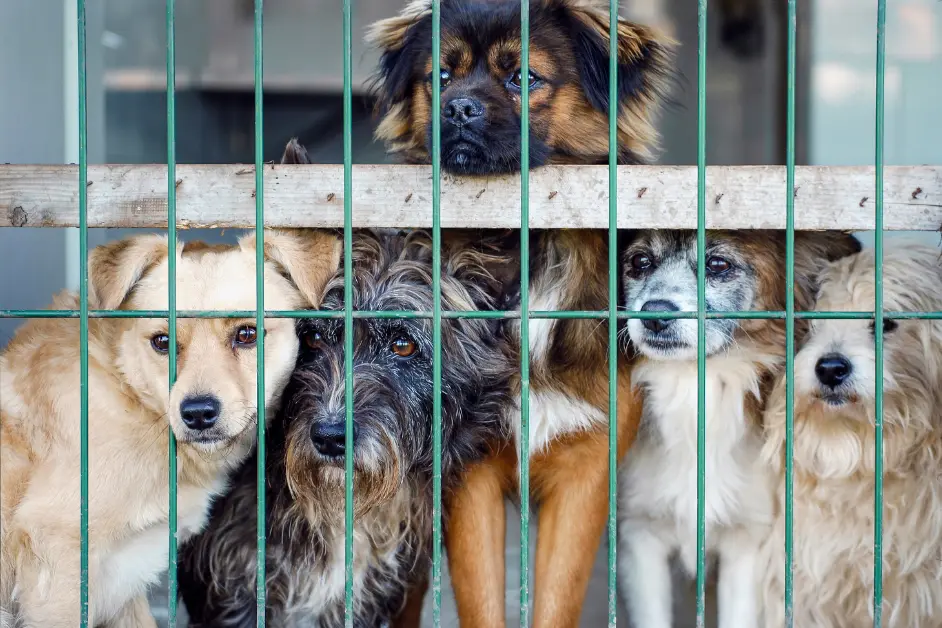
Animal shelters often operate under significant strain, dealing with overcrowding, limited funding, and a constant influx of animals in need. Many shelters rely on a combination of government support, private donations, and volunteer labor just to meet basic operational needs, feeding animals, providing veterinary care, and maintaining clean, safe facilities.
When community members step in to help, whether through donations, volunteering, or adoption, it directly reduces the strain on these organizations and improves outcomes for the animals in their care. Every contribution, no matter how small it might seem, plays a part in a larger system of care.
Adoption: The Most Direct Form of Support
Choose Adoption Over Buying
One of the most impactful ways to support shelters is choosing to adopt rather than purchasing a pet from a breeder or pet store. Every adoption creates space for the shelter to take in another animal in need, while also giving a deserving pet a genuine second chance at a loving home.
Consider Harder-to-Place Animals
Senior pets, animals with disabilities, or those with behavioral challenges often wait significantly longer for adoption than younger, more conventionally “adoptable” animals. If your lifestyle and experience level allow for it, considering one of these harder-to-place pets can make an outsized difference, both for that individual animal and for freeing up shelter resources.
Foster When Adoption Isn’t Possible
If you’re not in a position for permanent pet ownership, fostering offers a flexible alternative. Foster homes provide temporary care for animals, often freeing up shelter space and giving animals a calmer, more comfortable environment while they wait for adoption. Fostering is particularly valuable for young kittens or puppies needing round-the-clock care, or for animals recovering from medical treatment or trauma.
Financial Contributions
Direct Monetary Donations
Straightforward financial donations remain one of the most flexible and impactful ways to support a shelter, since organizations can allocate funds toward their most pressing needs, whether that’s medical care, food, facility maintenance, or staffing.
Sponsor a Specific Animal
Many shelters offer sponsorship programs, allowing donors to cover the costs of caring for a specific animal, particularly those requiring extended medical treatment or long-term care while awaiting adoption. This option often appeals to donors who want a more personal connection to their contribution.
Set Up Recurring Donations
Even small, consistent monthly contributions can provide shelters with more predictable income, helping with long-term planning and budgeting in ways that one-time donations sometimes can’t.
Participate in or Organize Fundraisers
Shelters frequently rely on fundraising events, walk-a-thons, adoption drives, or online campaigns, to supplement their operating budgets. Participating in these events, or even organizing your own fundraiser within your community or workplace, can generate meaningful financial support.
Include Shelters in Special Occasions
Some people choose to request donations to a favorite shelter in lieu of gifts for birthdays or holidays, turning personal celebrations into an opportunity for broader impact.
Donating Supplies
Beyond monetary contributions, shelters often have ongoing needs for physical supplies. Common items include:
- Pet food (both wet and dry, appropriate for various life stages)
- Bedding, blankets, and towels
- Cleaning supplies and disinfectants
- Litter and litter boxes
- Leashes, collars, and harnesses
- Toys and enrichment items
- Crates and carriers
- Office supplies for administrative operations
Before donating, check with the specific shelter about their current needs, since requirements can vary significantly based on the animals currently in their care and their existing supply levels. Many shelters post updated wish lists on their websites or social media pages.
Volunteering Your Time
Direct Animal Care
Many shelters welcome volunteers to help with daily animal care tasks, including walking dogs, socializing cats, cleaning kennels, and assisting with feeding schedules. This hands-on involvement provides animals with much-needed attention and exercise while easing the workload on shelter staff.
Administrative and Behind-the-Scenes Support
Not all volunteer opportunities involve direct animal contact. Shelters often need help with administrative tasks, data entry, answering phones, managing social media, or coordinating events, all of which are essential to daily operations but don’t always require hands-on animal experience.
Transport Volunteers
Some shelters, particularly those involved in rescue networks, need volunteers willing to transport animals between locations, whether that’s moving animals from overcrowded shelters to ones with more space, or transporting them to veterinary appointments and adoption events.
Photography and Marketing Skills
Well-taken photos and compelling descriptions significantly increase an animal’s chances of adoption. If you have photography, writing, or social media skills, offering these talents to a local shelter can have a meaningful impact on adoption rates.
Event Support
Shelters frequently host adoption events, fundraisers, and community outreach programs that require additional hands for setup, coordination, and day-of support.
Fostering Skills and Expertise
If you have professional skills relevant to shelter operations, consider offering pro bono or discounted services:
- Veterinarians and vet technicians can offer reduced-cost or volunteer medical services
- Trainers and behaviorists can help address behavioral issues that might otherwise prevent successful adoptions
- Graphic designers can assist with marketing materials or website design
- Legal professionals can provide guidance on nonprofit compliance or contracts
- Accountants can assist with financial management and reporting
Even a few hours of specialized expertise can provide value that would otherwise be costly for a shelter to access.
Advocacy and Awareness
Share Adoptable Animals on Social Media
Simply sharing photos and information about adoptable animals through your personal social media networks can significantly expand a shelter’s reach, sometimes leading directly to successful adoptions from people who wouldn’t have otherwise seen the listing.
Educate Others About Responsible Pet Ownership
Encouraging friends and family to consider adoption, supporting spay and neuter initiatives, and promoting responsible pet ownership practices helps address root causes of shelter overcrowding over the long term.
Support Policy Changes
Getting involved in local advocacy for stronger animal welfare laws, better funding for municipal shelters, or improved regulations around breeding and pet sales can create systemic change that benefits shelters and animals more broadly.
Attend Community Events
Showing up for shelter-hosted events, adoption fairs, fundraising walks, or educational programs, helps demonstrate community support and often directly contributes to a shelter’s visibility and fundraising success.
Corporate and Community Partnerships
Workplace Giving Programs
Some employers offer matching donation programs or workplace giving campaigns. Checking whether your employer offers this benefit can effectively double the impact of your personal contributions to a shelter.
Organize Supply Drives
Community groups, schools, workplaces, or social clubs can organize supply drives, collecting food, bedding, or other needed items collectively rather than relying on individual donations alone.
Partner With Local Businesses
Local businesses, pet stores, cafes, or veterinary clinics, are often willing to host donation bins, display adoptable pet information, or contribute a percentage of sales to local shelters, particularly when approached with a clear, easy partnership proposal.
Supporting Shelters During Difficult Times
Shelters often face particular strain during certain periods, natural disasters, economic downturns, or seasonal surges in surrendered animals. Staying attentive to a shelter’s current needs, particularly during these challenging periods, and being ready to offer additional support when called upon, reflects a deeper level of community commitment.
Choosing the Right Way to Help
Not everyone has the same resources, time, or capacity to help, and that’s perfectly fine. The most effective support is support that’s sustainable for you personally, whether that means a few hours of volunteering each month, a small recurring donation, occasional supply drop-offs, or simply sharing adoptable pets on social media when you see them. Consistency, even in small ways, often creates more lasting impact than sporadic, larger gestures that aren’t sustainable long-term.
Making a Lasting Difference
Animal shelters depend on the generosity, time, and advocacy of their communities to continue their essential work. Whether through adoption, financial contributions, volunteering, donated supplies, or simply spreading awareness, every form of support plays a meaningful role in improving outcomes for animals in need. Finding the approach that best fits your circumstances, and committing to it consistently, ensures your support translates into real, lasting impact for the shelters and animals who need it most.

yespaws
Recent Posts
-
 How to Manage Pets in Small Apartments September 12, 2026
 -
 Indoor Games to Keep Pets Active September 11, 2026
 -
 How Much Exercise Does Your Dog Really Need September 10, 2026
 -
 First-Time Cat Owner? Here’s How to Groom Your Cat Safely September 9, 2026
 -
 Safety Tips for Night Walks with Dogs September 8, 2026