Why Cats Love Boxes So Much
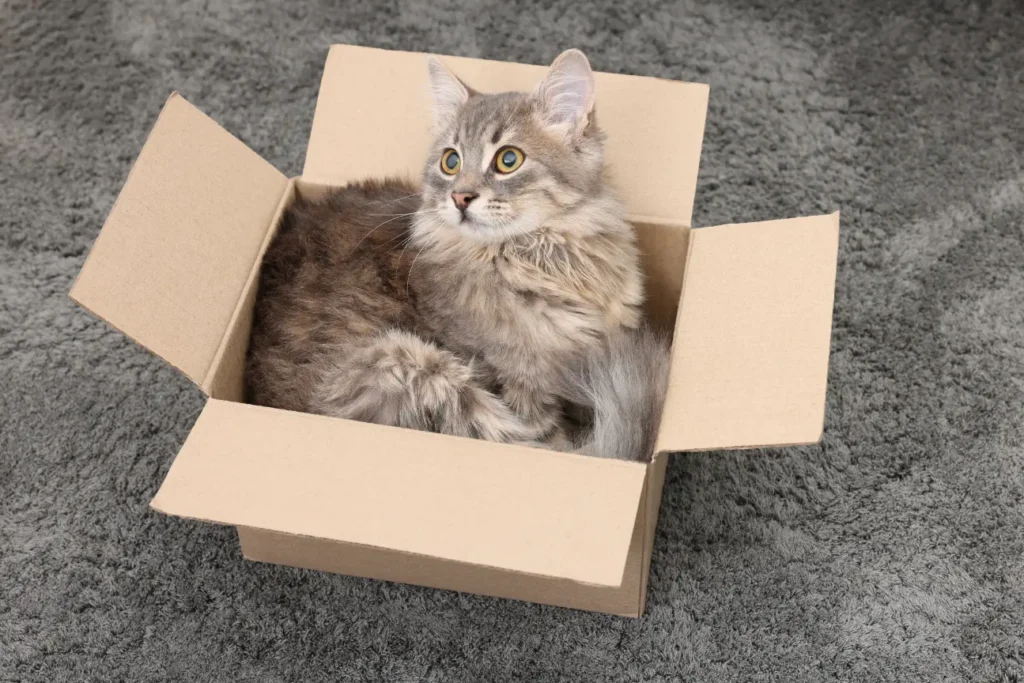
Buy your cat an expensive new cat tree, a designer bed, or the latest interactive toy, and there’s a fair chance they’ll ignore it entirely in favor of the cardboard box it arrived in. This peculiar, near-universal feline obsession has become something of an internet phenomenon, with countless photos and videos of cats squeezing themselves into boxes far too small for comfort, or contentedly curling up in ones that seem perfectly sized just for them. But behind the humor lies genuine feline psychology, rooted in instinct, biology, and comfort.
Understanding why cats are so drawn to boxes offers a fascinating window into feline behavior, and it turns out this seemingly quirky habit serves several real, practical purposes in a cat’s life. This guide explores the science and instinct behind the phenomenon, along with practical tips for using this natural preference to enrich your cat’s environment.
The Instinct to Seek Enclosed Spaces
At the core of the box obsession lies a deeply rooted survival instinct. In the wild, and even among feral and outdoor cats today, small, enclosed spaces offer critical safety benefits. Cats are both predators and prey in the natural world, and this dual role shapes much of their behavior, including their strong preference for confined spaces.
Protection From Predators
Enclosed spaces like boxes mimic the kind of tight, sheltered environments a wild cat might seek out to avoid larger predators. Even though domestic cats living indoors face no such genuine threats, this instinct remains deeply embedded in their behavior, passed down through generations of evolutionary programming that hasn’t disappeared simply because their environment has changed.
A Strategic Vantage Point for Hunting
Boxes also serve a dual purpose related to hunting instinct. A partially enclosed space allows a cat to observe their surroundings while remaining mostly hidden, an ideal position for watching potential “prey,” whether that’s an actual mouse, a feather toy, or simply activity happening elsewhere in the home. This combination of concealment and visibility taps directly into a cat’s natural hunting behavior.
Boxes Provide a Sense of Security
Beyond pure survival instinct, boxes offer cats a powerful sense of psychological security. The enclosed, tactile pressure of a box’s walls against a cat’s body can have a calming effect, similar to how swaddling comforts a human infant. This sensation, sometimes referred to as thigmotaxis, describes an animal’s tendency to seek out and feel comforted by physical contact with surfaces surrounding their body.
This is part of why stressed or anxious cats often seek out boxes specifically during stressful situations, a house move, a new pet introduction, or unfamiliar visitors. The enclosed space offers a retreat where they can feel protected and regain a sense of control over their immediate environment.
Temperature Regulation
Interestingly, boxes also serve a practical thermoregulatory function. Cardboard is a natural insulator, and the enclosed shape of a box helps trap a cat’s body heat, creating a warmer microenvironment inside. Cats generally prefer warmer temperatures than humans, often seeking out sunny spots, warm laundry, or heating vents, and a box provides yet another way to conserve body heat and stay comfortably warm, particularly appealing during cooler months or in air-conditioned homes.
Reduced Sensory Overload
Modern homes, especially multi-person or multi-pet households, can be filled with near-constant stimulation, noise, movement, unfamiliar scents, and general activity. For a species that evolved as a solitary hunter valuing quiet, controlled environments, this level of stimulation can occasionally become overwhelming.
A box offers a simple, effective way to reduce sensory input, blocking out some visual stimulation and creating a smaller, more controlled personal space. This can be particularly valuable for cats prone to anxiety, or simply those who periodically need a break from a bustling household environment.
Scientific Research Behind the Box Obsession
The preference for enclosed spaces isn’t just anecdotal; it’s been studied directly. A notable study conducted at a Dutch animal shelter examined stress levels in newly arrived shelter cats, comparing those given access to a hiding box with those who weren’t. The cats provided with boxes showed significantly lower stress indicators and adjusted to their new environment more quickly than those without access to an enclosed hiding space.
This research reinforced what many cat owners had long observed anecdotally: access to enclosed spaces genuinely reduces stress and supports emotional wellbeing in cats, particularly during transitions or unfamiliar situations. It’s a compelling example of how a simple, low-cost environmental addition can have a measurable impact on feline welfare.
Why Size Matters (Even When It Seems Too Small)
Many cat owners are baffled watching their cat squeeze into a box that seems far too small for their body size, sometimes appearing almost comically cramped. This preference actually makes sense within the context of the security-seeking instinct discussed earlier.
A smaller, snugger space provides more complete surrounding contact, maximizing that comforting, secure sensation described earlier. In the wild, tight spaces like small crevices or dense brush offer more effective concealment than larger, more open shelters, so this preference for smaller enclosures reflects the same underlying instinct for maximum protection and comfort.
Boxes and Territorial Marking
Cats are also deeply territorial animals, relying heavily on scent to establish familiarity and ownership over their environment. Boxes, particularly ones a cat spends significant time in, become imbued with their scent through natural rubbing and resting behavior, reinforcing a sense of ownership and territory. This scent-marking function adds another layer to why a specific, familiar box often becomes a particularly favored spot over time, compared to a brand-new one introduced into the home.
Using This Instinct to Enrich Your Cat’s Environment
Understanding the psychology behind box obsession opens up simple, practical ways to enrich your cat’s environment using this natural preference.
Provide Multiple Box Options
Rather than relying on a single box, offering a few scattered throughout your home, particularly in quieter areas, gives your cat multiple options for retreat and security throughout the day.
Create a DIY Cat Fort
Simple modifications, cutting doorways into larger boxes, connecting multiple boxes together, or adding soft bedding inside, can transform basic cardboard into an enriching, multi-functional play and rest space.
Use Boxes During Stressful Situations
If you know a stressful event is coming, moving homes, introducing a new pet, or hosting a gathering, having a familiar box readily available can help your cat manage the transition more comfortably, offering a reliable retreat throughout the disruption.
Rotate and Refresh
Since novelty itself can be stimulating for cats, periodically introducing new boxes, or rearranging existing ones, can help maintain their interest and provide ongoing environmental enrichment.
Consider Placement Carefully
Positioning boxes near windows allows cats to combine their love of enclosed spaces with their fondness for observing outdoor activity, satisfying both security-seeking and curious, observational instincts simultaneously.
When Box Behavior Might Signal Something Else
While box-seeking behavior is overwhelmingly normal and healthy, a few situations are worth paying closer attention to:
- A sudden, marked increase in hiding behavior, particularly if paired with reduced appetite, lethargy, or other behavioral changes, could indicate illness or significant stress worth discussing with a veterinarian
- Complete avoidance of normal activity in favor of constant hiding might suggest an underlying health issue rather than simple comfort-seeking
- Aggressive behavior when approached in a box, if new or escalating, could reflect pain, fear, or another underlying issue requiring professional evaluation
In most cases, though, a cat’s fondness for boxes remains a completely normal, healthy behavior, simply an expression of deeply rooted instinct rather than any cause for concern.
Other Enclosed Spaces Cats Naturally Gravitate Toward
Interestingly, the box obsession is really just one expression of a broader feline preference for enclosed spaces. Many cats show similar enthusiasm for:
- Paper bags
- Laundry baskets
- Under-bed spaces
- Closets or cabinets left slightly open
- Sink or bathtub basins
- Suitcases left open during packing
This broader pattern reinforces that it’s not specifically the cardboard or the “box” itself that appeals to cats, but rather the underlying qualities of enclosure, security, and controlled visibility that any similar space can offer.
Embracing a Quirky but Meaningful Instinct
What might initially seem like a purely amusing feline quirk is, in reality, a meaningful expression of deeply rooted instinct, tied to safety, comfort, temperature regulation, and stress reduction. Far from a random preference, a cat’s love of boxes reflects thousands of years of evolutionary programming, still very much alive in our modern domestic companions.
The next time you catch your cat contentedly curled up in a box, whether one clearly designed for their comfort or simply an empty delivery box left on the floor, you can appreciate it for what it really is: a small, visible expression of your cat’s instinctual need for security, comfort, and a sense of control over their environment, wrapped up in one of the simplest, most accessible forms of enrichment you can offer them.

yespaws
Recent Posts
-
 How to Manage Pets in Small Apartments September 12, 2026
 -
 Indoor Games to Keep Pets Active September 11, 2026
 -
 How Much Exercise Does Your Dog Really Need September 10, 2026
 -
 First-Time Cat Owner? Here’s How to Groom Your Cat Safely September 9, 2026
 -
 Safety Tips for Night Walks with Dogs September 8, 2026