How to Feed Street Dogs the Right Way: A Real-World Guide to Safe, Responsible Care
Everything you need to know about healthy nutrition, avoiding neighbor conflict, and keeping your local pack safe.
If you walk down almost any street in India, chances are you’ll meet a pair of warm brown eyes looking up at you, tail wagging in cautious hope. Our community dogs affectionately known as Indies are resilient, incredibly smart, and deeply connected to the neighbourhoods they call home. For many of us, leaving out a bowl of food or sharing a meal with the local strays is second nature.
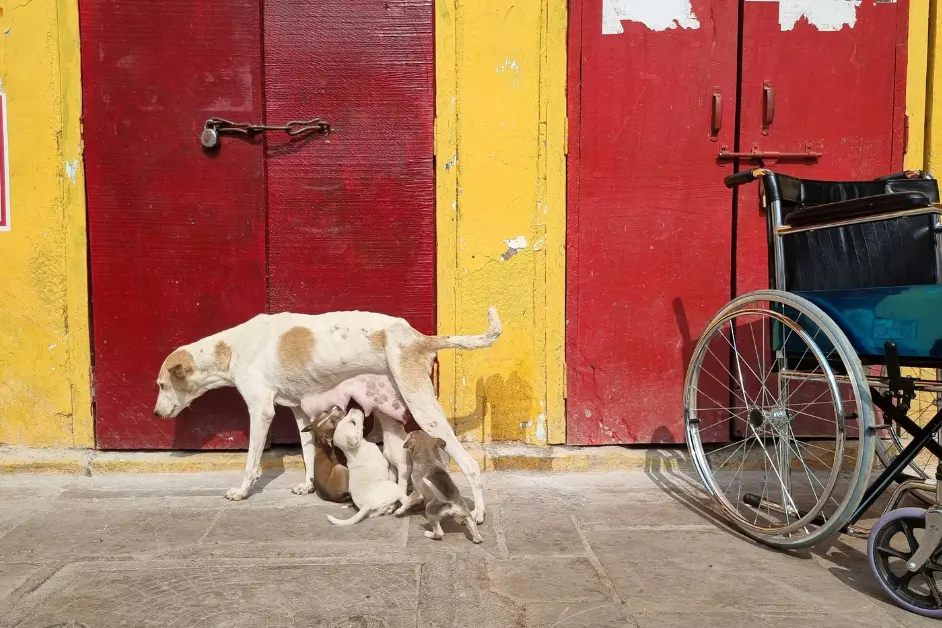
But as anyone who has managed a local pack will tell you, caring for street dogs goes way beyond throwing leftovers onto the pavement. Done thoughtlessly, feeding can inadvertently cause health problems for the dogs, attract pests, or trigger unnecessary fights with neighbors. Done right, it transforms the lives of the animals and builds a peaceful, compassionate community.
Whether you are already managing a feeding route or simply want to help the dogs outside your gate, here is a practical, ground-level guide to feeding street animals safely, legally, and responsibly.
What to Put in the Bowl: Healthy, Safe Options
Street dogs have remarkable stomachs, but that doesn’t mean they should eat junk. They do best on simple, wholesome meals that are low in salt, oil, and spices.
1. Boiled Rice with Lean Protein
Plain white or brown rice mixed with unseasoned boiled chicken or eggs is the absolute gold standard. Rice offers easily digestible calories, while protein supports muscle health and energy levels.
- A vital rule: Always, without exception, debone cooked chicken before serving. Cooked chicken bones become brittle and can easily splinter, causing fatal internal punctures or intestinal blockages.
2. Boiled Eggs
If you want an affordable, high-impact protein source, eggs are your best friend. They are packed with essential fatty acids that keep a stray’s coat healthy and build immunity. You can mash them directly into rice or serve them whole as a quick treat.
- Pro-tip: Don’t throw away the shells! Dry them in the sun, grind them into a fine powder using a blender, and sprinkle a small pinch into their meal. It acts as an excellent, free calcium supplement.
3. Curd (Yogurt) Rice
During the blistering summer months, heatstroke and dehydration are major threats to community animals. A bowl of plain curd mixed with cooked rice works wonders. The probiotics keep their gut healthy, cool down their body temperature, and encourage them to absorb fluid.
4. Steamed Vegetables
Vegetables like pumpkin, sweet potato, and carrots are rich in fiber and vital vitamins. Pumpkin in particular is a miraculous remedy for street dogs dealing with upset stomachs, diarrhea, or mild constipation. Just ensure the vegetables are thoroughly boiled and chopped small.
5. Fresh, Clean Water
Food gets all the attention, but fresh water is what saves lives especially in summer. Place heavy clay or metal bowls in shaded, quiet corners. Make it a daily habit to scrub the bowls out and refill them with clean water so they don’t become breeding grounds for mosquitoes.
What to Avoid: Toxic Foods and Common Hazards
One of the biggest misconceptions is that street dogs can digest anything because they are “tough.” In reality, human scrap food often contains ingredients that damage their organs or cause severe internal distress.
| Sweet Biscuits (Parle-G, cream biscuits) | High sugar and palm oil cause chronic fur loss, skin allergies, diabetes, and severe dental decay. | Plain, unsalted whole-wheat rotis soaked in warm water or warm milk diluted 50/50 with water. |
| Cooked Bones | Splinter easily, causing throat blockages, stomach tears, and severe internal bleeding. | Boneless boiled meat, boiled eggs, or paneer (cottage cheese). |
| Onions & Garlic | Contains compounds that destroy red blood cells, leading to severe, life-threatening anemia. | Plain boiled pumpkin or boiled carrots. |
| Spicy / Oily Gravies | Triggers severe pancreatitis, painful stomach ulcers, and chronic diarrhea. | Clear, unseasoned chicken broth or plain curd. |
Feeding Etiquette: How to Avoid Neighborhood Conflict
One of the hardest parts of being a dog feeder isn’t cooking the food—it’s dealing with human opposition. Most conflicts arise because of messy feeding habits, bad timing, or poor location choices. Here is how to keep the peace while keeping the dogs fed.
Choose Neutral, Low-Traffic Locations
Never place food right outside someone’s front gate, near a children’s park, beside a busy main road, or along narrow walking paths. Instead, choose quiet boundary walls, unused vacant lots, or shaded corners away from heavy foot traffic.
If you feed multiple dogs, spread the food out across 3 or 4 separate spots a few yards apart. This prevents dominant pack leaders from guarding all the food and attacking younger or weaker dogs.
Stick to a Predictable Schedule
Dogs have a strong internal clock. Try to feed them at roughly the same time every day.
- Early Morning (before 7:00 AM) or Late Night (after 9:00 PM) are usually the best windows. Streets are quiet, traffic is minimal, children aren’t playing outside, and there are fewer pedestrians around.
- Predictable meal times stop dogs from wandering into busy main roads or begging around local markets during peak hours.
Practice “Leave No Trace” Feeding
- Never use newspaper: Printer’s ink is laced with lead and toxic solvents that bleed directly into hot or wet food.
- Clean up immediately: Use reusable bowls, washable mats, or eco-friendly leaf plates. Wait 15 minutes for the dogs to finish, pick up every scrap of trash, pack it in a bag, and dispose of it in a closed dustbin.
A clean feeding spot gives neighbors zero grounds to complain about sanitation or pest infestation.
Knowing Your Legal Rights as a Feeder
It is completely normal to feel intimidated when confronted by neighbors or housing society board members. However, Indian law explicitly protects animal feeders.
- Article 51A(g) of the Constitution of India casts a fundamental duty upon every citizen to show compassion to living creatures.
- The Animal Birth Control (ABC) Rules, 2023 state that local authorities and Resident Welfare Associations (RWAs) cannot ban the feeding of street animals. In fact, RWAs are legally required to work with local feeders to establish designated, safe feeding spots within or around society premises.
If someone approaches you angrily, avoid shouting back. Calmly explain that you are feeding clean food away from common pathways, keeping the area tidy, and working to keep the local dog population stable and healthy.
The Big Picture: Why Sterilization and Vaccination Matter
Feeding is only step one. If you feed street dogs without taking care of their medical needs, you will quickly end up with an exploding population of puppies, leading to disease, territorial fights, and heightened conflict with residents.
- Sterilization (ABC Program): Partner with your local municipal corporation or a trusted animal welfare NGO to get the dogs in your lane spayed or neutered. Sterilized dogs are calmer, don’t howl during mating seasons, don’t get into bloody territorial fights, and won’t produce litters destined for harsh lives on the street.
- Annual Rabies Shots: Rabies is entirely preventable. Ensure every dog you care for receives an annual Anti-Rabies Vaccine (ARV). Keep a notebook or digital log of their vaccination dates.
- Deworming: Street dogs frequently pick up internal parasites from ground soil or dirty puddle water. Slipping a vet-approved deworming tablet inside a meatball or piece of paneer every 3 to 4 months keeps them absorbing their food properly and looking healthy.
Final Thoughts
Caring for community dogs is one of the most rewarding things you can do, but it is a long-term commitment that requires patience, consistency, and diplomacy. By serving clean, nutritious food, cleaning up after every meal, and getting your local pack vaccinated and neutered, you aren’t just feeding stray animals you are actively making your neighborhood a safer, kinder place for everyone.

yespaws
Recent Posts
-
 How to Manage Pets in Small Apartments September 12, 2026
 -
 Indoor Games to Keep Pets Active September 11, 2026
 -
 How Much Exercise Does Your Dog Really Need September 10, 2026
 -
 First-Time Cat Owner? Here’s How to Groom Your Cat Safely September 9, 2026
 -
 Safety Tips for Night Walks with Dogs September 8, 2026