Is Homemade Food Better Than Packaged Pet Food? Here’s What Every Pet Parent Should Know
By the Yes Paws Team
Every pet parent has been there standing in the pet food aisle, scanning ingredient labels, quietly wondering: Am I feeding my dog or cat the best food possible? And sooner or later, that question leads to another one: Should I just be making their food at home?
It’s a debate that has gained serious traction in recent years. Social media feeds are full of wholesome-looking pet meals made from scratch, while veterinary nutritionists caution against DIY diets gone wrong. So who’s right? The honest answer is: both sides have a point.
In this guide, we break down the real pros and cons of homemade and commercial pet food so you can make the most informed decision for your furry family member.
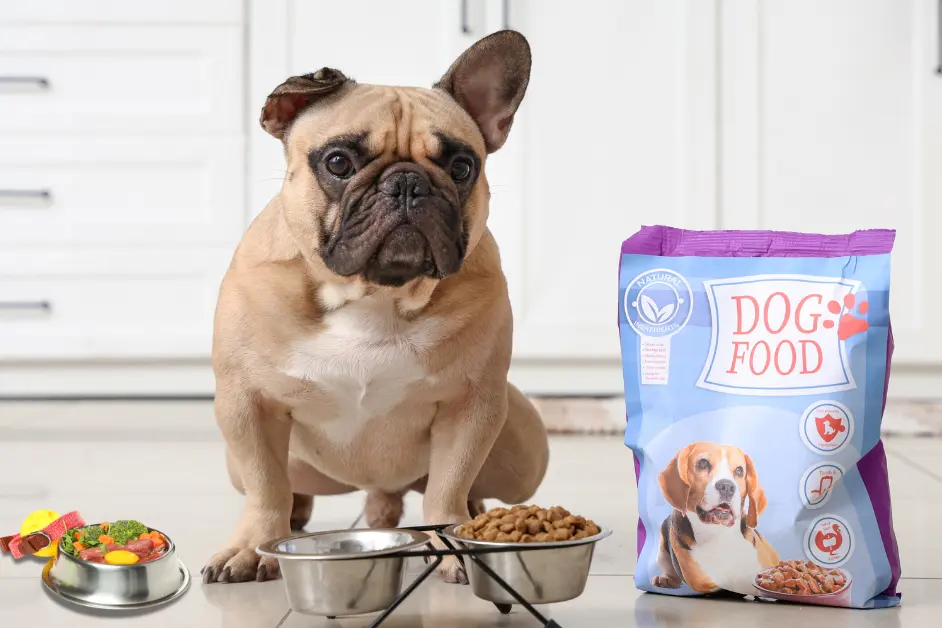
Why Pet Owners Are Turning to Homemade Food
The shift toward homemade pet food isn’t just a trend it’s a response. High-profile pet food recalls, growing concerns about artificial preservatives, and a broader “clean eating” culture have pushed millions of pet parents to consider what’s actually going into their companion’s bowl.
When you cook for your pet at home, you control every single ingredient. You know the chicken came from a trusted butcher. You know there are no mystery meat by-products, synthetic fillers, or artificial flavors. For pets with food allergies or sensitivities, this level of control can genuinely be life-changing.
There’s also an emotional dimension to it. Preparing a meal for your pet feels like an act of love and in many ways, it is.
The Real Benefits of Homemade Pet Food
Full ingredient transparency. With homemade food, what you see is what your pet gets. You can avoid common allergens, low-quality fillers, and ingredients your pet doesn’t tolerate well. For pets that have struggled with chronic digestive issues, skin problems, or unexplained weight gain, switching to a carefully prepared home diet has made a measurable difference.
Freshness. Commercial pet food even premium varieties often contains preservatives to extend shelf life. Homemade meals are fresh, which can make them more palatable and easier to digest for some animals.
Customization. Every pet is different. A senior Labrador with joint issues has different nutritional needs than a hyperactive two-year-old Border Collie. Homemade food allows you to tailor meals to your pet’s life stage, health condition, and even personal preferences in a way that no packaged food can fully replicate.
Reduced exposure to additives. Many commercial foods especially lower-end varieties contain artificial colors, flavors, and chemical preservatives. While regulatory bodies set limits on these, long-term exposure and cumulative effects are subjects of ongoing debate. Homemade food sidesteps this concern entirely.
The Serious Risks Pet Owners Often Overlook
Here’s the part that doesn’t get talked about enough: homemade pet diets are notoriously difficult to balance correctly.
Dogs and cats have highly specific nutritional requirements that are quite different from humans. A dog needs precise ratios of calcium to phosphorus. Cats are obligate carnivores requiring taurine, arachidonic acid, and Vitamin A in forms they cannot synthesize themselves. Missing these nutrients even slightly, over time can lead to serious and sometimes irreversible health problems.
Studies have found that a large majority of homemade pet food recipes found online or in popular books are nutritionally incomplete. This doesn’t mean cooking for your pet is wrong it means doing it without professional guidance carries genuine risk.
Common nutritional pitfalls in homemade diets include:
- Calcium deficiency (especially in dogs fed meat-heavy diets without bone or supplements)
- Taurine deficiency in cats, which can cause fatal heart disease
- Vitamin D or E imbalances
- Excess or deficiency of iodine, zinc, or iron
- Inadequate protein for cats, which can affect muscle mass and organ function
The preparation process also adds complexity. Some foods that are perfectly safe for humans are toxic to pets onions, garlic, grapes, raisins, xylitol, and cooked bones are all dangerous. Cross-contamination and improper storage of raw meat can introduce harmful bacteria like Salmonella or E. coli.
What Packaged Pet Food Gets Right
Commercial pet food particularly products meeting AAFCO (Association of American Feed Control Officials) standards or similar regulatory benchmarks is formulated to be complete and balanced. This is no small thing. Years of veterinary nutrition research go into developing these formulas.
Consistency and completeness. A quality commercial food delivers the same nutritional profile in every serving, every day. This consistency matters enormously for long-term health.
Convenience. Life is busy. Not every pet parent has the time, knowledge, or resources to prepare nutritionally complete meals from scratch, twice a day, every day. Packaged food makes responsible pet ownership accessible.
Variety and specialization. The commercial pet food market has evolved dramatically. Today you’ll find formulas for every life stage, breed size, health condition, and dietary preference — including grain-free, limited ingredient, raw-freeze-dried, and prescription diets developed specifically for conditions like kidney disease, diabetes, and obesity.
Quality has improved. Premium and super-premium brands now use human-grade ingredients, avoid artificial additives, and undergo rigorous third-party testing. The gap between a high-quality commercial diet and homemade food in terms of ingredient quality has narrowed considerably.
Packaged Food’s Weaknesses Are Real Too
Let’s be fair. Not all commercial pet food is created equal, and the industry has its share of problems.
Lower-quality products often rely on cheap fillers like corn syrup, rendered by-products, and artificial preservatives. Pet food recalls while relatively rare do happen, and they remind us that industrial food production carries its own risks.
Reading labels matters. Look for named protein sources (chicken, salmon, beef) as the first ingredient rather than vague terms like “meat meal.” Check for AAFCO’s “complete and balanced” statement. Avoid products with long lists of artificial colors or chemical preservatives like BHA and BHT if possible.
The Middle Ground: A Balanced Approach
For most pet owners, the best answer isn’t a binary choice it’s a thoughtful combination.
Work with a veterinary nutritionist. If you’re committed to home cooking, this step is non-negotiable. A board-certified veterinary nutritionist can create a recipe tailored specifically to your pet’s health needs that is genuinely complete and balanced. This is different from a generic recipe found online.
Use supplements strategically. Pre-mixed nutritional supplements designed specifically for homemade pet diets (such as Balance IT or similar products) can fill gaps and reduce the risk of deficiency when cooking at home.
Consider a rotation diet. Some pet owners find success rotating between high-quality commercial food and occasional homemade meals getting the benefits of both without the risks of a purely homemade diet.
Keep up with vet check-ins. Regular bloodwork and veterinary check-ups are essential for pets on homemade diets. Nutritional deficiencies often develop silently over months before becoming clinically visible.
So, Which Is Actually Better?
There’s no universal answer and that’s not a cop-out. It depends on your pet’s specific health needs, your time and resources, and your willingness to invest in professional nutritional guidance.
Homemade food can be better but only when it’s properly formulated, consistently prepared, and supervised by a professional. Done carelessly, it can cause more harm than a well-chosen commercial diet. Packaged food can be excellent but it requires you to be an educated label reader and choose products that meet genuine quality standards rather than falling for clever marketing.
What your pet needs, above all, is a pet parent who pays attention. Watch their energy levels, coat condition, digestion, and weight. These are the real indicators of whether their diet is serving them well and they’re the signals that should guide every food decision you make.
Quick Reference: Homemade vs. Packaged Pet Food
| Factor | Homemade Food | Packaged Food |
|---|---|---|
| Ingredient control | High | Moderate to low |
| Nutritional completeness | Risk of gaps | Reliable (if AAFCO-certified) |
| Freshness | High | Moderate |
| Convenience | Low | High |
| Cost | Variable | Variable |
| Customization | High | Moderate |
| Safety risks | Preparation errors | Recalls (rare) |
| Professional guidance needed | Essential | Helpful but not required |
At Yes Paws, we believe every pet deserves a diet built on informed choices, not guesswork. Whether you cook from scratch, choose premium commercial food, or find your own balance between the two — the most important ingredient in your pet’s diet is always your care and attention.
Have questions about your pet’s nutrition? Drop them in the comments below we’d love to help.

yespaws
Recent Posts
-
 How to Manage Pets in Small Apartments September 12, 2026
 -
 Indoor Games to Keep Pets Active September 11, 2026
 -
 How Much Exercise Does Your Dog Really Need September 10, 2026
 -
 First-Time Cat Owner? Here’s How to Groom Your Cat Safely September 9, 2026
 -
 Safety Tips for Night Walks with Dogs September 8, 2026