Step Away from the Scissors! 6 Common DIY Pet Grooming Mistakes to Avoid
There is something incredibly rewarding about grooming your pet at home. Beyond managing your monthly budget, a DIY grooming session can be a deeply restorative bonding experience. It is a quiet window of time where you and your dog or cat are completely dialed into each other.
However, anyone who has ever tried to trim a wiggly puppy’s nails or bathe an anxious cat knows that DIY grooming is far from a walk in the park. Without the specialized training and industrial equipment of a professional setup, what starts as a peaceful spa day can rapidly deteriorate into a high-stress, chaotic, or even medically dangerous situation.
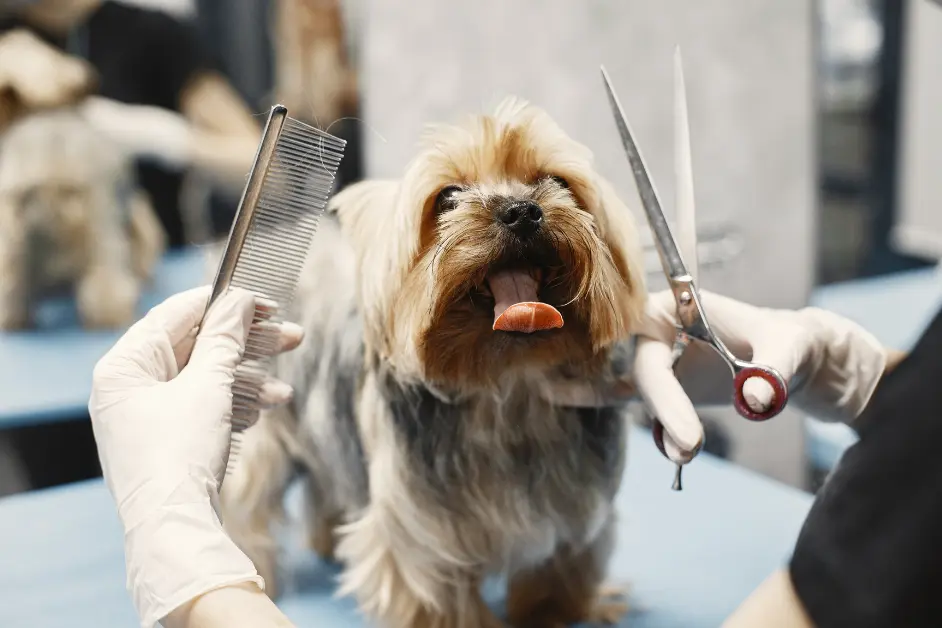
Animals don’t naturally understand why we are coming at them with sharp metal shears or loud, vibrating machinery. One wrong move can shatter their trust or worse, cause an accidental injury that requires an emergency vet visit.
To keep your home grooming sessions perfectly safe, stress-free, and highly effective, let’s audit the most common DIY pet grooming mistakes and look at exactly how to avoid them.
1. Navigating the Dreaded “Quick”: Nail Trimming Accidents
Clipping a pet’s nails is universally regarded as the most nerve-wracking aspect of at-home grooming. The most frequent error pet parents make is cutting too deep and striking the quick the highly sensitive living core of the nail that contains active blood vessels and nerve endings.
If you cut into the quick, your pet will experience a sharp flash of pain and the nail will bleed profusely. If this happens once, your pet will remember the trauma, making them fight, hide, or panic during every subsequent attempt to clip their paws.
How to Avoid It:
- Study the Anatomy: On white or clear nails, the quick is easily visible as a faint pink interior shadow. Clip just below that pink zone at a clean 45-degree angle. For solid black or dark nails, take incredibly tiny, incremental slivers off the tip. Look at the freshly cut surface of the nail head-on after each snip; when you start to see a small, dark, moist circle appear right in the center, stop immediately you are approaching the quick.
- Always Have Styptic Powder Ready: Never clip a single nail without a jar of styptic powder (or plain cornstarch in a pinch) sitting open right next to you. If you accidentally nick the quick, pack a heavy pinch of the powder directly onto the tip of the nail with firm pressure for 30 seconds to immediately stall the bleeding.
- Consider a Grinder: If traditional scissor-style clippers terrify you, switch to an electric rotary nail grinder. It allows you to gradually sand down the nail layer by layer with far greater control and structural safety.
2. Bathing a Matted Pet: The “Cement Effect”
When you notice your long-haired dog or cat has developed tight tangles or severe matting near their skin, your natural human instinct might be to toss them straight into a warm bath with plenty of detangling shampoo. This is one of the most critical structural mistakes you can make.
Water acts like a structural setting agent on pre-existing mats. When a dense knot of hair gets wet and subsequently dries, the hair shafts swell, interlock, and shrink, tightening the mat significantly closer to the animal’s skin. This creates a dense, solid shield of felted fur—often called the “cement effect”—that completely traps moisture against the skin.
How to Avoid It:
- The Golden Rule: Always brush and completely detangle your pet’s coat before a single drop of water touches them.
- Use the Line-Brushing Technique: Part the fur with one hand so you can clearly see the pink skin, then brush the hair outward from the base using a high-quality slicker brush. Work systematically in small sections across the body.
- Know When to Shave: If a mat is pulled so tight against the skin that you cannot gently slide a comb underneath it, do not try to brush or cut it out. Pulling on tight mats causes immense pain and skin bruising. In these advanced cases, the safest, most humane option is to use a professional pet clipper with a safe blade (like a #10 blade) to gently shave underneath the mat.
3. Shaving Double-Coated Breeds
If you own a double-coated breed—such as a Golden Retriever, German Shepherd, Pomeranian, Husky, or Indie dog—you might look at them during a blistering summer heatwave and think, “I should shave their coat down to keep them cool.”
While this seems logical from a human perspective, shaving a double-coated breed permanently wrecks their natural temperature control system. A double coat consists of a harsh outer layer of “guard hairs” that repel water and dirt, and a soft, dense “undercoat” that traps air. This unique structure acts exactly like home insulation; it keeps them warm in the winter, but it also reflects external radiant heat and protects their pale skin from sun damage in the summer.
When you shave a double coat down to the skin, the soft undercoat often grows back much faster than the slow-growing guard hairs. This alters the overall texture of the coat permanently, making it coarse, sticky, and far more prone to severe matting than it was originally.
How to Avoid It:
- Put Down the Electric Clippers: Never shave a healthy double coat unless it is medically necessary for surgery or a severe skin condition.
- Master the De-Shedding Blowout: To help your pet handle seasonal heatwaves, focus heavily on removing the dead, packed undercoat. Use a high-quality undercoat rake or a sleek de-shedding tool (like a Furminator) combined with a high-velocity blow dryer to safely blast out the trapped dead hair. This thins out the heavy insulation while keeping their protective guard hairs completely intact.
4. The Hidden Hazards of Using Household Scissors
It is incredibly tempting to grab a pair of kitchen scissors or crafting shears to quickly snip away a rogue knot behind your cat’s ear or trim the long fur covering your dog’s eyes. Professional groomers and ER vets across the board pleadingly advise against this.
Animal skin is remarkably elastic, thin, and loosely attached to underlying tissue. When a mat twists or tightens, it pulls the living skin directly up into the center of the knot. If you attempt to cut the knot out with standard scissors, it is incredibly easy to inadvertently slice a large, clean wedge of skin right off your pet. Because cats have exceptionally thin, paper-like skin, scissor lacerations are one of the most common feline emergency admissions.
How to Avoid It:
- Use Proper Tools: If you must trim hair around highly delicate areas like the eyes, paws, or sanitary zones, invest in professional grooming shears featuring rounded safety tips (ball-tip shears). The blunt, curved edge makes it physically impossible to accidentally puncture the skin if the pet suddenly jerks their head.
- The Comb Barrier Technique: If you are using scissors to trim a safe area, always slide a fine-toothed metal comb completely underneath the section of fur you intend to cut. The metal comb acts as a hard physical shield between the sharp scissor blade and the animal’s skin. If the comb cannot pass through freely, do not cut.
5. Ignoring Ear Care and Water Ingress
During a home bath, it is remarkably easy to accidentally spray water directly into your pet’s face or ears. While this might seem like a minor inconvenience, leaving moisture trapped inside an animal’s ear canal creates a perfect storm for painful medical issues.
The canine and feline ear canal is structured like a deep “L” shape. Unlike a human ear canal, which goes straight in, any water that enters a pet’s ear pools right at the bottom of the horizontal canal. Combined with the natural dark warmth of the ear flap, this trapped moisture creates an ideal breeding ground for rapid yeast and bacterial overgrowths.
How to Avoid It:
- The Cotton Ball Shield: Before placing your pet into the tub, gently place a clean, dry cotton ball just inside the opening of each ear canal. This acts as a physical sponge to absorb any stray splashes. Remember to remove them immediately after the bath.
- Keep the Streams Low: Never spray water directly over your pet’s head with a handheld nozzle. Instead, tilt their chin upward and use a damp washcloth to gently wipe down their forehead, face, and cheeks.
- Post-Bath Drying: After the bath is complete, use a dedicated, vet-approved ear-drying solution containing a mild drying agent (like salicylic acid) to flush the ear and safely evaporate any residual moisture deep inside the canal.
6. Using Human Shampoos and Haircare Products
When you run out of pet shampoo midway through a home wash, it can be incredibly tempting to reach for your personal luxury moisturizing shampoo or a gentle baby shampoo. After all, if it’s safe enough for human babies, it must be safe for a puppy, right? Biologically, this is incorrect.
The core issue comes down to the natural chemistry of the skin, specifically the pH balance. Human skin is distinctly acidic, typically hovering around a pH of 5.5. Because of this, human hair products are formulated with high acidity to match.
Conversely, canine and feline skin is much closer to neutral or slightly alkaline, typically ranging from a pH of 6.5 to 7.5.
When you apply an acidic human shampoo to a pet’s skin, you strip away their acid mantle a delicate, micro-thin lipid barrier that protects them from external allergens and microbes. Stripping this barrier leaves their skin dry, intensely itchy, inflamed, and highly vulnerable to secondary bacterial infections.
How to Avoid It:
- Always Buy Species-Specific Formulas: Only use high-quality shampoos explicitly formulated for dogs or cats. These products are carefully pH-balanced to preserve their natural skin barrier.
- Look for Soothing Botanicals: If your pet has naturally sensitive or reactive skin, opt for soap-free formulas containing oatmeal, aloe vera, or chamomile to lock in moisture without causing irritation.
Your DIY Grooming Success Checklist
To ensure your next at-home spa session is completely safe, follow this logical workflow:
Step 1.The Thorough Pre-Brush:
Run a slicker brush and a steel comb across your pet’s entire body to completely isolate and eliminate all hidden tangles before adding water.
Step 2.Prep Safety Equipment:
Place cotton balls inside the ears, lay down a non-slip rubber mat in the tub to prevent slipping injuries, and open your jar of styptic powder.
Step 3.Execute the Low-Stress Bath:
Use lukewarm water and pet-safe, pH-balanced shampoo. Keep the water pressure low and entirely avoid spraying the facial structure directly.
Step 4.The Complete Drying Phase:
Thoroughly towel-dry the coat, then use a low-heat or high-velocity dryer to remove moisture from the undercoat. Ensure the ears are entirely dry.
Elevating At-Home Care with Professional Support
DIY grooming is an incredible way to maintain your pet’s hygiene between major haircuts, but it shouldn’t completely replace professional care. If your pet ever develops severe matting, needs intricate sanitary trims, or displays high levels of grooming-induced anxiety, seeking professional help is the kindest choice you can make.
For pet parents looking for a completely stress-free alternative, scheduling a professional session with a specialized provider like Yes Paws bridges the gap perfectly. Whether you utilize our expert tips to refine your at-home routine or book our premium, vet-supervised Professional Pet Grooming Services in Hyderabad, keeping your pet comfortable and safe is always the ultimate goal.
yespaws
Recent Posts
-
 How to Manage Pets in Small Apartments September 12, 2026
 -
 Indoor Games to Keep Pets Active September 11, 2026
 -
 How Much Exercise Does Your Dog Really Need September 10, 2026
 -
 First-Time Cat Owner? Here’s How to Groom Your Cat Safely September 9, 2026
 -
 Safety Tips for Night Walks with Dogs September 8, 2026