Joint Pain in Dogs: Causes and Remedies
Watching a dog struggle to climb the stairs, hesitate before jumping onto the couch, or limp after a walk is heartbreaking for any pet owner. Joint pain is one of the most common health issues affecting dogs, especially as they age, and it can quietly diminish a dog’s quality of life if left unaddressed. The good news is that with early recognition, the right veterinary guidance, and a few lifestyle adjustments, most dogs with joint pain can continue to live active, comfortable lives.
This guide walks through what causes joint pain in dogs, how to recognize the warning signs, and the most effective remedies and management strategies available today.
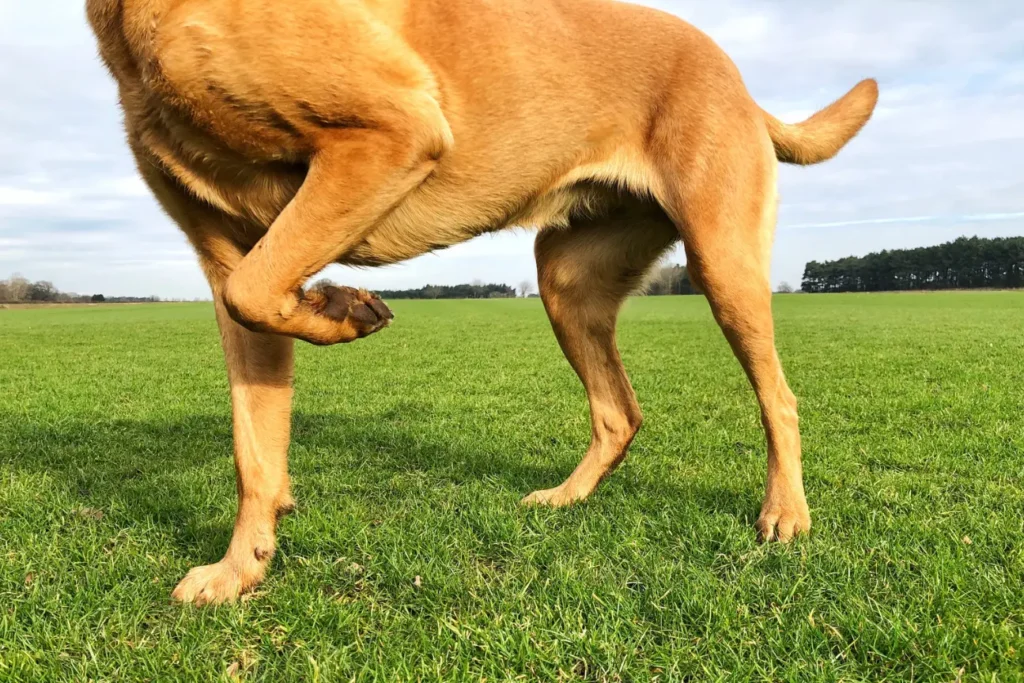
Understanding Joint Pain in Dogs
A dog’s joints are complex structures made up of cartilage, synovial fluid, ligaments, and bone. Cartilage acts as a cushion between bones, while synovial fluid lubricates the joint so movement stays smooth and pain-free. When any part of this system breaks down whether through injury, inflammation, or wear over time the result is friction, inflammation, and pain.
Joint pain can affect dogs of any age or breed, but it becomes far more common in middle-aged and senior dogs. Large and giant breeds, along with certain purebred lines, are also more genetically predisposed to joint problems.
Common Causes of Joint Pain in Dogs
1. Osteoarthritis (Degenerative Joint Disease)
Osteoarthritis is by far the leading cause of chronic joint pain in dogs. It develops when cartilage gradually wears away, causing bones to rub against each other. This leads to inflammation, stiffness, and reduced range of motion. Studies suggest a significant percentage of dogs over the age of seven show some degree of osteoarthritis, even if outward symptoms aren’t always obvious in the early stages.
2. Hip and Elbow Dysplasia
These are developmental conditions, common in larger breeds like German Shepherds, Labrador Retrievers, and Golden Retrievers, where the joint doesn’t form correctly during growth. A poorly fitted joint socket leads to abnormal wear, instability, and eventually arthritis. Dysplasia is often hereditary, which is why responsible breeders screen for it.
3. Ligament Injuries
The cranial cruciate ligament (the canine equivalent of the human ACL) is one of the most frequently injured structures in a dog’s knee. Tears can happen suddenly during activity or develop gradually from repetitive strain, and they often require surgical repair to restore stability.
4. Obesity
Excess body weight places continuous, excessive stress on joints, accelerating cartilage breakdown and worsening existing conditions. Fat tissue also produces inflammatory compounds that can intensify joint pain throughout the body, not just in weight-bearing joints.
5. Autoimmune and Infectious Conditions
Less common but still significant, conditions like immune-mediated polyarthritis or infections such as Lyme disease can trigger sudden, painful joint inflammation. These often come with additional symptoms like fever or lethargy.
6. Age-Related Wear and Tear
Even without a specific disease, joints naturally degrade over a dog’s lifetime. Years of running, jumping, and everyday movement gradually thin out cartilage, making senior dogs more susceptible to stiffness and discomfort.
7. Injury or Trauma
Falls, accidents, or awkward landings can cause fractures, sprains, or dislocations that lead to both acute and long-term joint problems if not treated properly.
Recognizing the Signs of Joint Pain
Dogs are instinctively good at masking pain, a trait inherited from their wild ancestors who needed to hide weakness from predators. This means owners often need to watch for subtle behavioral changes rather than waiting for obvious signs of distress. Common indicators include:
- Limping or favoring one leg
- Difficulty rising from lying down or climbing stairs
- Reluctance to jump into the car or onto furniture
- Stiffness that improves after a few minutes of movement
- Noticeable muscle loss around the hips or legs
- Licking or chewing at a specific joint
- Decreased activity level or reluctance to play
- Irritability or withdrawal when touched near a sore area
- Swelling or warmth around a joint
If you notice any combination of these signs, especially if they persist for more than a few days, a veterinary evaluation is warranted.
Diagnosing Joint Pain
A veterinarian typically starts with a physical exam, checking range of motion, feeling for swelling or crepitus (a grinding sensation), and observing the dog’s gait. From there, diagnostic tools may include:
- X-rays to assess bone structure and joint spacing
- Blood tests to rule out infections or autoimmune disease
- Joint fluid analysis if inflammatory or infectious arthritis is suspected
- CT or MRI scans for more detailed soft tissue evaluation in complex cases
An accurate diagnosis is essential, since treatment approaches differ significantly depending on the underlying cause.
Remedies and Treatment Options
Veterinary-Prescribed Medications
Nonsteroidal anti-inflammatory drugs (NSAIDs) formulated specifically for dogs are often the first line of treatment for managing pain and inflammation. In some cases, vets may also prescribe other pain relievers or disease-modifying agents. It’s important never to give a dog human pain medication like ibuprofen or acetaminophen, as these can be toxic or even fatal.
Joint Supplements
Supplements containing glucosamine, chondroitin, and omega-3 fatty acids are widely used to support cartilage health and reduce inflammation. While results vary between dogs, many owners and veterinarians report noticeable improvements in mobility and comfort over consistent, long-term use.
Weight Management
Because excess weight is such a significant contributor to joint stress, helping a dog reach and maintain a healthy body condition is one of the most effective, low-cost interventions available. Even a modest reduction in body weight can meaningfully ease pressure on affected joints.
Physical Therapy and Controlled Exercise
Low-impact activities like swimming and structured leash walks help maintain muscle mass and joint flexibility without added strain. Canine physical therapists can design tailored exercise programs, and modalities like hydrotherapy, therapeutic massage, and laser therapy are increasingly used to support recovery and long-term mobility.
Acupuncture and Alternative Therapies
Many veterinary rehabilitation specialists now offer acupuncture, which some studies and clinical reports suggest can help reduce pain and improve mobility in dogs with chronic joint conditions. While not a replacement for conventional treatment, it’s often used as a complementary therapy.
Surgical Intervention
For severe cases such as advanced dysplasia, ligament tears, or joints that no longer respond to conservative management, surgery may be recommended. Options range from ligament repair to total joint replacement, depending on the severity and location of the damage.
Home Modifications
Small changes at home can make a significant difference in daily comfort:
- Orthopedic dog beds that cushion joints and reduce pressure points
- Ramps or steps to help dogs avoid jumping onto furniture or into vehicles
- Non-slip rugs or mats on slick flooring to prevent slipping and strain
- Raised food and water bowls to reduce neck and joint strain while eating
Prevention: Supporting Joint Health Early
While not all joint conditions are preventable, especially those tied to genetics, several strategies can reduce risk and slow progression:
- Maintain a healthy weight throughout your dog’s life, not just once problems appear.
- Provide regular, moderate exercise to keep muscles strong and joints mobile.
- Choose age-appropriate nutrition, including large-breed puppy formulas that support proper skeletal development.
- Schedule routine veterinary checkups to catch early signs of joint changes before they become serious.
- Consider preventive supplements for breeds known to be predisposed to joint issues, ideally starting before symptoms appear.
When to See a Veterinarian
While mild, occasional stiffness after vigorous activity isn’t always cause for alarm, certain signs warrant prompt veterinary attention: sudden lameness, visible swelling, a joint that’s hot to the touch, reluctance to bear weight at all, or pain accompanied by fever or lethargy. Early intervention often leads to better outcomes and can prevent a manageable issue from progressing into a chronic, harder-to-treat condition.
Final Thoughts
Joint pain in dogs is common, but it doesn’t have to mean a diminished quality of life. Understanding the underlying causes, staying alert to early warning signs, and working closely with a veterinarian to build a comprehensive management plan can keep dogs moving comfortably for years to come. Whether the solution involves medication, weight management, physical therapy, or a combination of approaches, the goal remains the same: helping your dog stay active, pain-free, and happy at every stage of life.
If you notice your dog showing signs of joint discomfort, don’t wait for it to worsen. A timely visit to the vet can make all the difference between a dog who merely copes with pain and one who continues to thrive.

yespaws
Recent Posts
-
 How to Manage Pets in Small Apartments September 12, 2026
 -
 Indoor Games to Keep Pets Active September 11, 2026
 -
 How Much Exercise Does Your Dog Really Need September 10, 2026
 -
 First-Time Cat Owner? Here’s How to Groom Your Cat Safely September 9, 2026
 -
 Safety Tips for Night Walks with Dogs September 8, 2026