How to Take Care of a Sick Pet at Home
There’s a particular kind of worry that sets in when a pet stops acting like themselves. Maybe your dog skipped breakfast for the first time ever, or your cat has been hiding under the bed for hours. Whether your pet is recovering from surgery, managing a chronic illness, or simply fighting off a minor bug, knowing how to care for them at home can make a huge difference in their comfort and recovery speed.
Caring for a sick pet isn’t just about following the vet’s instructions to the letter, though that’s essential. It’s also about creating an environment where your pet feels safe, reducing their stress, and knowing when home care is enough versus when it’s time to head back to the clinic. This guide covers everything you need to know to support a sick pet at home, from the first signs of illness through full recovery.
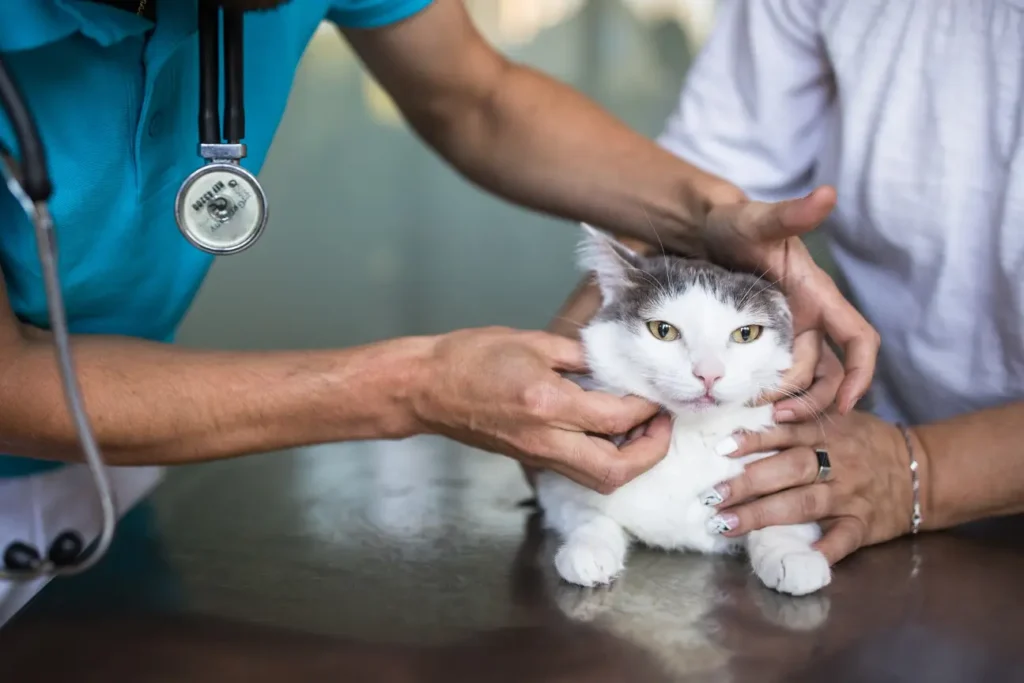
Signs Your Pet May Be Sick
Pets, especially cats, are experts at hiding discomfort. In the wild, showing weakness makes an animal a target, and that instinct hasn’t fully disappeared from our domesticated companions. That’s why it’s important to know the subtle signs that something is wrong:
- Loss of appetite or sudden pickiness with food
- Lethargy or reluctance to move
- Vomiting or diarrhea
- Excessive thirst or, conversely, drinking less than usual
- Hiding more than normal
- Changes in litter box or bathroom habits
- Labored or rapid breathing
- Whining, whimpering, or other vocal signs of discomfort
- Shaking, trembling, or stiffness
- A dull or unkempt coat
Any of these on their own might not be an emergency, but a combination of symptoms, or symptoms that persist for more than a day, should prompt a call to your veterinarian.
Start With a Vet Visit, Not Guesswork
Before starting any home care routine, it’s important to have your veterinarian evaluate your pet, even if the symptoms seem minor. Self-diagnosing based on internet searches can lead to delayed treatment for something serious, or unnecessary worry over something harmless. Once you have a diagnosis and a treatment plan, home care becomes about supporting that plan, not replacing it.
Ask your vet clear questions before you leave the clinic:
- What symptoms should prompt an emergency visit?
- How should medications be given, and what side effects are normal?
- What changes in appetite, energy, or behavior should I expect during recovery?
- Is isolation from other pets necessary?
- When should we schedule a follow-up?
Having this information in hand removes a lot of the guesswork once you’re home.
Set Up a Quiet, Comfortable Recovery Space
A dedicated recovery area helps your pet rest without added stress from household chaos, other pets, or children. Choose a quiet room with easy access to food, water, and a litter box or potty pads if needed.
Key elements of a good recovery space:
- A soft, supportive bed away from drafts or direct sunlight
- Easy access to fresh water at all times
- Familiar bedding, toys, or blankets that carry the pet’s scent
- A consistent, comfortable temperature sick pets often struggle to regulate body heat
- Minimal noise and foot traffic
- Away from stairs if mobility is limited
If you have other pets in the household, separating the sick pet, at least temporarily, can prevent stress, reduce the risk of spreading illness, and give your recovering companion the peace they need.
Give Medications Safely and On Schedule
Administering medication correctly is one of the most important parts of home care, and also one of the most commonly mishandled. A few best practices:
- Follow dosing instructions exactly. Never adjust dosages without consulting your vet, even if your pet seems to be improving or struggling.
- Use pill pockets or soft treats to make oral medication easier, unless your vet advises against giving them with food.
- Keep a medication log, noting the time and dose given, especially if multiple family members are involved in care.
- Watch for side effects like vomiting, unusual lethargy, or loss of appetite, and report anything concerning to your vet promptly.
- Complete the full course of any prescribed antibiotics, even if symptoms resolve early.
If your pet is particularly resistant to medication, ask your vet about alternative formulations, such as liquid versions, flavored compounds, or transdermal gels that can be applied to the skin.
Help Your Pet Eat and Stay Hydrated
Illness often suppresses appetite, but proper nutrition and hydration are critical to recovery. A few strategies to encourage eating:
- Warm up wet food slightly to enhance its aroma, which can stimulate appetite.
- Offer smaller, more frequent meals rather than one or two large portions.
- Try bland, vet-approved options like boiled chicken and rice for pets with digestive upset.
- Hand-feed if necessary, as some pets respond well to the extra attention and encouragement.
- Monitor water intake closely. Dehydration can worsen many illnesses quickly, particularly in pets with vomiting or diarrhea.
If your pet refuses food or water for more than 24 hours, contact your veterinarian, as this can quickly become a serious issue, especially in small dogs, cats, and young or senior pets.
Track Symptoms With a Simple Daily Log
Tracking your pet’s condition day by day helps you notice trends, whether they’re improving or declining, and gives your vet valuable information at follow-up visits. Consider keeping a simple daily log with:
- Appetite and water intake
- Energy levels and mobility
- Bathroom habits
- Medication given
- Any new or worsening symptoms
- Temperature, if your vet has asked you to monitor it
A quick note in your phone or a small notebook is enough. This record can be incredibly useful if symptoms change suddenly or if you need to describe the progression to a vet over the phone.
Ease Pain and Discomfort the Safe Way
Never give your pet human pain medications like ibuprofen, acetaminophen, or aspirin, as these can be highly toxic to dogs and cats. Only administer medications specifically prescribed or approved by your veterinarian for your pet’s species and condition.
Beyond medication, comfort measures can help ease discomfort:
- Gentle, vet-approved massage for sore muscles
- A warm (not hot) compress for certain types of pain, if recommended by your vet
- Soft, supportive bedding to reduce pressure on joints or surgical sites
- Calm, quiet companionship, since many pets find comfort simply in your presence
Don’t Forget Their Emotional Wellbeing
Illness affects more than the body. Pets often become anxious, withdrawn, or clingy when they’re not feeling well. Spend calm, quiet time near them, speak in a soothing tone, and avoid forcing interaction if they seem to want space. For pets prone to anxiety, calming aids like pheromone diffusers or soft background noise can help reduce stress during recovery.
At the same time, don’t withdraw entirely. Many pets take comfort in a familiar routine and gentle reassurance from their owner, even if they’re not as playful or affectionate as usual.
Stop Contagious Illness From Spreading at Home
If your pet has a contagious condition, such as kennel cough, feline upper respiratory infection, or parvovirus, extra precautions are necessary:
- Isolate the sick pet from other animals in the household
- Wash your hands thoroughly after handling the sick pet or their bedding
- Disinfect food and water bowls, litter boxes, and bedding regularly
- Avoid dog parks, boarding facilities, or grooming appointments until your vet confirms your pet is no longer contagious
Ask your veterinarian how long the contagious period typically lasts for your pet’s specific illness, since this varies widely by condition.
Warning Signs That Mean It’s Time to Go Back to the Vet
Home care works well for many recoveries, but certain signs mean it’s time to seek veterinary attention immediately:
- Difficulty breathing or persistent coughing
- Repeated vomiting or diarrhea, especially with blood
- Collapse, seizures, or extreme lethargy
- Refusal to eat or drink for more than a day
- Signs of severe pain, such as constant crying or an inability to move
- A fever that doesn’t respond to treatment
- Any symptom your vet specifically told you to watch for
Trust your instincts. You know your pet’s normal behavior better than anyone, and if something feels seriously wrong, it’s always better to have them checked than to wait and see.
Warning Signs That Mean It’s Time to Go Back to the Vet
Caring for a sick pet at home is a mix of following medical guidance, creating a calm and comfortable environment, and paying close attention to the small details that reveal how your pet is really feeling. It can be an emotionally taxing time, but with patience, consistency, and close communication with your veterinarian, most pets recover well and return to their happy, energetic selves.
Above all, remember that home care is a partnership with your veterinary team, not a substitute for it. When in doubt, a quick phone call to your vet’s office can offer reassurance, or catch a problem early, giving your pet the best possible chance at a smooth and comfortable recovery.

yespaws
Recent Posts
-
 How to Manage Pets in Small Apartments September 12, 2026
 -
 Indoor Games to Keep Pets Active September 11, 2026
 -
 How Much Exercise Does Your Dog Really Need September 10, 2026
 -
 First-Time Cat Owner? Here’s How to Groom Your Cat Safely September 9, 2026
 -
 Safety Tips for Night Walks with Dogs September 8, 2026