Foods That Improve Your Pet’s Coat and Skin
Before you reach for that expensive shampoo, take a closer look at your pet’s bowl. The real secret to a soft, shiny, itch-free coat starts long before bath time.
Every pet parent has been there. You’re sitting on the sofa and your dog or cat walks over, and instead of the glossy, healthy coat you were hoping for, you’re met with dull fur, persistent flaking, or that constant scratching that just won’t quit. You’ve tried switching shampoos. You’ve tried different conditioners. You’ve even invested in expensive grooming sessions. But the improvement never quite lasts.
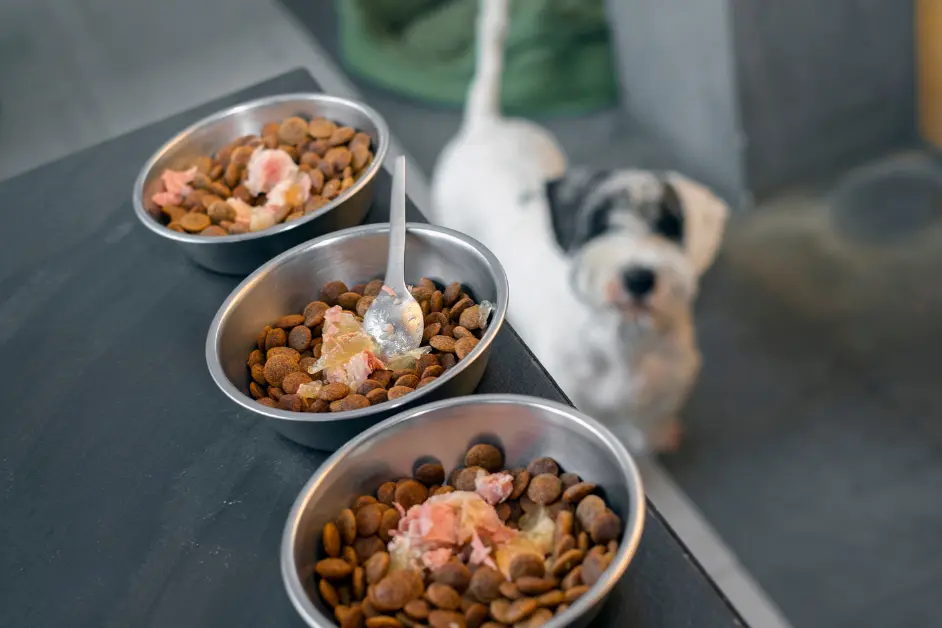
Here’s the thing most grooming products won’t tell you: a truly healthy coat begins inside the body, not outside it. What your pet eats every single day has a far greater influence on the quality of their skin and fur than any topical treatment ever could. The skin is the body’s largest organ. It reflects nutritional status more honestly than almost anything else. When the diet is right, the coat shows it. When it isn’t, the coat shows that too.
So which foods actually make a difference? Here’s a grounded, practical look at the nutrients and natural foods that genuinely support your pet’s skin and coat and why they work.
1. Fatty Fish: The Omega-3 Powerhouse
If there is one single dietary change that delivers the most visible results for coat health, it is adding omega-3 fatty acids to your pet’s meals. Fatty fish salmon, sardines, mackerel, and herring are among the richest natural sources of EPA and DHA, the two forms of omega-3 that the body puts to immediate use.
These fatty acids do several important things at once. They reduce inflammation in the skin, which is the root cause of much of the itching, redness, and flaking that pet owners worry about. They also reinforce the skin barrier, helping it retain moisture rather than allowing it to dry out and crack. The result, over weeks of consistent feeding, is fur that is visibly softer, shinier, and less prone to shedding.
For dogs, plain cooked or tinned salmon (in water, never brine) a few times a week is a practical addition. Sardines are particularly easy to incorporate and are generally well-tolerated. Cats tend to love fatty fish naturally — their ancestral diet is rich in it. If feeding whole fish isn’t possible, a high-quality fish oil supplement achieves the same result. Always start with small quantities and introduce gradually.
Quick tip: When buying tinned fish for your pet, always choose varieties in spring water with no added salt. Brine and oils marketed for human consumption often contain additives that aren’t safe for animals.
2. Eggs: Biotin, Protein, and Everything in Between
Eggs are one of the most complete foods in nature, and their benefits for skin and coat health are well established. The white of an egg is packed with high-quality protein the structural material from which hair and fur are literally built. Without adequate protein in the diet, fur becomes brittle, thin, and prone to breakage.
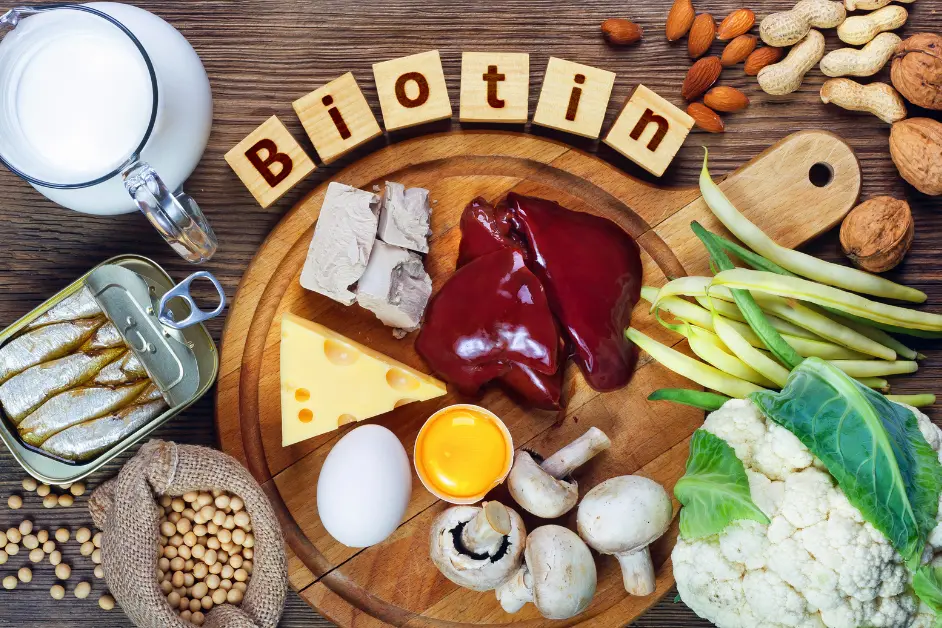
The yolk is where much of the coat-specific nutrition lives. Egg yolks contain biotin a B-vitamin that plays a central role in fat metabolism and keratin production. Keratin is the protein that forms the hair shaft itself. Low biotin levels are directly associated with dry, flaky skin and a dull, lacklustre coat. Yolks are also rich in vitamins A and D, selenium, and riboflavin all contributors to healthy skin cell turnover.
One important caveat: egg whites contain avidin, a compound that interferes with biotin absorption when eaten raw. Lightly cooking the egg neutralises avidin and makes the full nutritional profile available. A cooked egg a few times a week is a simple, affordable addition to almost any pet’s diet.
3. Sweet Potato: Vitamin A Without the Toxicity Risk
Vitamin A is essential for the health of epithelial tissue that is, the tissue that forms the skin and lines every surface of the body. Without enough of it, skin becomes thick, dry, and prone to infection. Too much of the pre-formed vitamin A found in liver and supplements, however, can accumulate to toxic levels.
Sweet potato offers an elegant solution. It is extremely rich in beta-carotene, a plant pigment that the body converts to vitamin A only as needed making toxicity essentially impossible through food alone. One modest serving provides more beta-carotene than most pets require in a day, along with fibre that supports gut health, and antioxidants that protect skin cells from oxidative damage.
Cooked and mashed sweet potato without any butter, seasoning, or garlic can be added to your pet’s regular food in small amounts. Dogs generally enjoy it. It can also serve as a healthy treat alternative to commercial snacks that often contain fillers and artificial preservatives.
“The skin is the body’s most visible report card on nutritional health. Feed the coat from the inside and everything else becomes easier.”— yesPaws editorial
4. Flaxseeds and Chia Seeds: Plant-Based Omega Support
For pet owners who prefer plant-based dietary additions, or whose pets cannot tolerate fish-derived omega-3s, flaxseeds and chia seeds offer a useful alternative. Both are high in ALA — the plant form of omega-3 which the body converts to EPA and DHA, though less efficiently than the fish-derived versions.
Ground flaxseed is particularly useful. The whole seed passes through the digestive system without being fully broken down, so grinding it first allows the nutrients to be absorbed properly. A small spoonful stirred into food adds valuable omega-3s, lignans, and fibre, all of which contribute to skin health and a balanced inflammatory response.
Chia seeds, which are easier to prepare (they can be used whole or soaked), also provide calcium, phosphorus, and magnesium alongside their fatty acid content. For cats especially, because they cannot convert ALA as efficiently as dogs, chia should be considered a supplement to rather than a replacement for marine sources.
5. Lean Meats: Building Blocks Your Pet Cannot Do Without
Hair and fur are made almost entirely of protein. Specifically, they are made of a specialised fibrous protein called keratin, which requires a steady supply of amino acids from dietary protein to be produced. When a pet’s diet is deficient in high-quality protein, the body deprioritises the coat and redirects available amino acids to vital organs. The coat pays the price first.
Lean meats chicken, turkey, lamb, and beef provide complete proteins containing all the essential amino acids a dog or cat needs. They are also good sources of zinc, a mineral that plays a critical role in skin healing and oil gland function. Pets with zinc deficiency frequently present with scaly, thickened skin and a rough coat.
The protein in your pet’s commercial food matters here too. Check the ingredient list of your pet’s current food. If a named meat source appears in the first two or three ingredients, that is a good sign. Vague terms like “meat derivatives” or “animal by-products” are less reliable indicators of high-quality protein content.
At a glance: foods and their key benefits
| Food | Key nutrients | Coat & skin benefit |
|---|---|---|
| Fatty fish | Omega-3 (EPA & DHA) | Reduces inflammation, adds shine |
| Eggs | Biotin, protein, vitamin A | Strengthens hair shaft, reduces flaking |
| Sweet potato | Beta-carotene, antioxidants | Supports skin cell renewal |
| Flax & chia seeds | ALA omega-3, fibre | Softens coat, calms dry skin |
| Lean meats | Complete protein, zinc | Builds keratin, supports skin repair |
6. Blueberries and Leafy Greens: The Antioxidant Angle
Antioxidants tend to get discussed in the context of ageing and immunity, but they are equally important for skin health. Oxidative stress the damage caused by free radicals degrades skin cells, weakens the barrier function, and accelerates the breakdown of collagen. The result is skin that becomes dry, thin, and prone to irritation.
Blueberries are rich in anthocyanins, a class of plant antioxidant with powerful anti-inflammatory properties. A small handful added to your dog’s meal a few times a week provides meaningful protection without adding significant calories. Most dogs enjoy them as treats too.
Leafy greens such as spinach and kale offer vitamins C and E both of which support collagen synthesis and skin repair. Vitamin C is particularly interesting because, while dogs and cats can synthesise their own, stressed or unwell animals benefit considerably from dietary sources. Small amounts of lightly steamed spinach mixed into food are a safe, practical way to boost antioxidant intake.
7. Water: The Most Overlooked Coat Nutrient
It would be a disservice to talk about coat nutrition without mentioning hydration. Dehydration is one of the most common and overlooked causes of dry, brittle fur and flaking skin. The skin requires adequate water content to maintain its elasticity, its barrier function, and the production of the natural oils that give fur its sheen.
Many pets particularly cats are chronically mildly dehydrated, especially those on dry food diets. Transitioning even partially to wet food dramatically increases daily water intake. A clean, freshly filled water bowl in an accessible location matters more than most owners realise. Some pets drink significantly more from a running water fountain than a static bowl. If your pet’s coat has been persistently dull and no other dietary changes have helped, increasing hydration is always worth exploring first.
Patience, Consistency, and a Word of Caution
Dietary changes rarely produce overnight results. The hair and skin cycle means that improvements tend to show up gradually often over four to eight weeks of consistent change. This is normal and expected. If you add fatty fish to your pet’s diet today, you are likely to notice a difference in six weeks rather than six days.
It is also worth remembering that persistent skin problems severe itching, patchy fur loss, hot spots, or recurring infections may have underlying causes beyond nutrition. Allergies, thyroid conditions, parasites, and fungal infections all require veterinary assessment. Good nutrition supports skin health and resilience, but it is not a substitute for a proper diagnosis where something more serious is going on.
Before making significant changes to your pet’s diet, particularly if they are on a prescribed food or have a known health condition, a quick conversation with your vet is always the sensible starting point.
That said, for the vast majority of healthy pets, adding more of these foods to the bowl — more oily fish, more high-quality protein, more beta-carotene-rich vegetables, better hydration will, over time, produce a coat that turns heads at the park. And unlike a bottle of shampoo, the benefits work from the inside out, lasting long after bath time is over.
Want a personalised pet nutrition plan?
Connect with a yesPaws-verified grooming and nutrition expert near you.Visit yesPaws.in
yespaws
Recent Posts
-
 How to Manage Pets in Small Apartments September 12, 2026
 -
 Indoor Games to Keep Pets Active September 11, 2026
 -
 How Much Exercise Does Your Dog Really Need September 10, 2026
 -
 First-Time Cat Owner? Here’s How to Groom Your Cat Safely September 9, 2026
 -
 Safety Tips for Night Walks with Dogs September 8, 2026